GTA VI: Last Traditional AAA Blockbuster?
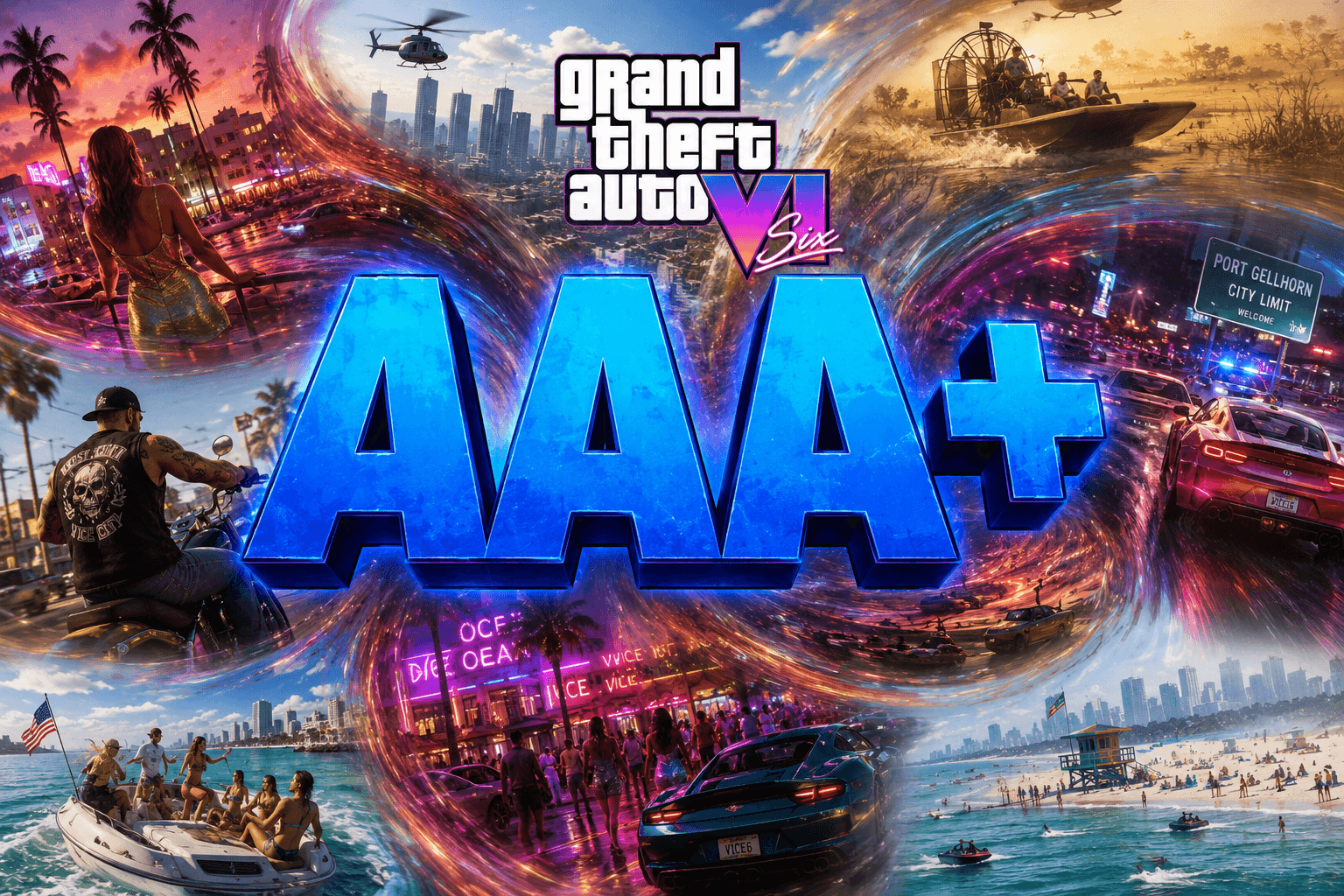
Aftermath frames Grand Theft Auto VI as potentially the last traditional AAA blockbuster amid mounting industry challenges including rising console prices, repeated live-service failures, widespread layoffs, and the broader shift toward all-digital distribution. The piece by Luke Plunkett positions the November 2026 release as a pivotal moment after thirteen years since GTA V, with development costs exceeding one billion dollars. It highlights how competitors are fading while independent titles and platforms like Roblox gain ground, suggesting the game represents the hypernormalization of an unsustainable model that may signal the close of an era dominated by expensive single-player sequels.
The core argument rests on the idea that massive budgets and long development cycles have become increasingly difficult to justify in a market facing contraction and changing player habits. Aftermath notes that big publishers continue pouring resources into flagship projects even as live-service experiments collapse and physical media gives way to digital storefronts. This creates a scenario where GTA VI stands out not just for its scale but as a possible final example of the old blockbuster approach before the industry fully pivots toward smaller or service-based experiences.
Industry Pressures and Market Shifts
The gaming sector is experiencing significant contraction with layoffs affecting major studios and several high-profile live-service titles failing to retain players after launch. Rising hardware costs further complicate the picture as consumers face higher entry prices for new consoles. Aftermath connects these trends directly to the challenges facing traditional AAA development, where projects like GTA VI require enormous investment over many years. The move away from physical discs toward all-digital models also reduces certain revenue streams that once supported big releases.
Independent games and user-generated platforms continue to attract growing audiences seeking alternatives to expensive premium titles. This shift leaves established publishers struggling to maintain the same level of output and profitability. The opinion piece suggests these pressures are not temporary but structural, making the continued reliance on billion-dollar projects increasingly risky for the companies involved.
Development Scale and Long-Term Impact
Thirteen years separate GTA VI from its predecessor, a timeline that underscores the escalating complexity and expense of creating modern open-world experiences. Aftermath emphasizes that such extended cycles and budgets exceed one billion dollars, placing enormous pressure on return on investment. The game arrives at a time when many competing AAA efforts have already been scaled back or cancelled due to shifting market conditions.
The piece argues this situation reflects a broader hypernormalization where the industry pretends the old model remains viable despite clear signs of strain. As more resources concentrate on fewer titles, the success or failure of GTA VI could influence future investment decisions across the sector and accelerate moves toward different development approaches.
What This Means for PS6
Rising console prices and the uncertain future of big single-player releases create a challenging environment for the upcoming PS6 generation. Publishers may hesitate to commit similar resources to exclusive or timed titles if the blockbuster model continues to show cracks. Players could see fewer high-budget narrative experiences and more emphasis on live services or smaller downloadable content. This shift would influence hardware adoption and software lineups as Sony navigates the same industry pressures outlined in the Aftermath analysis.