PS6 Delayed to 2028 in Fresh Insider Report
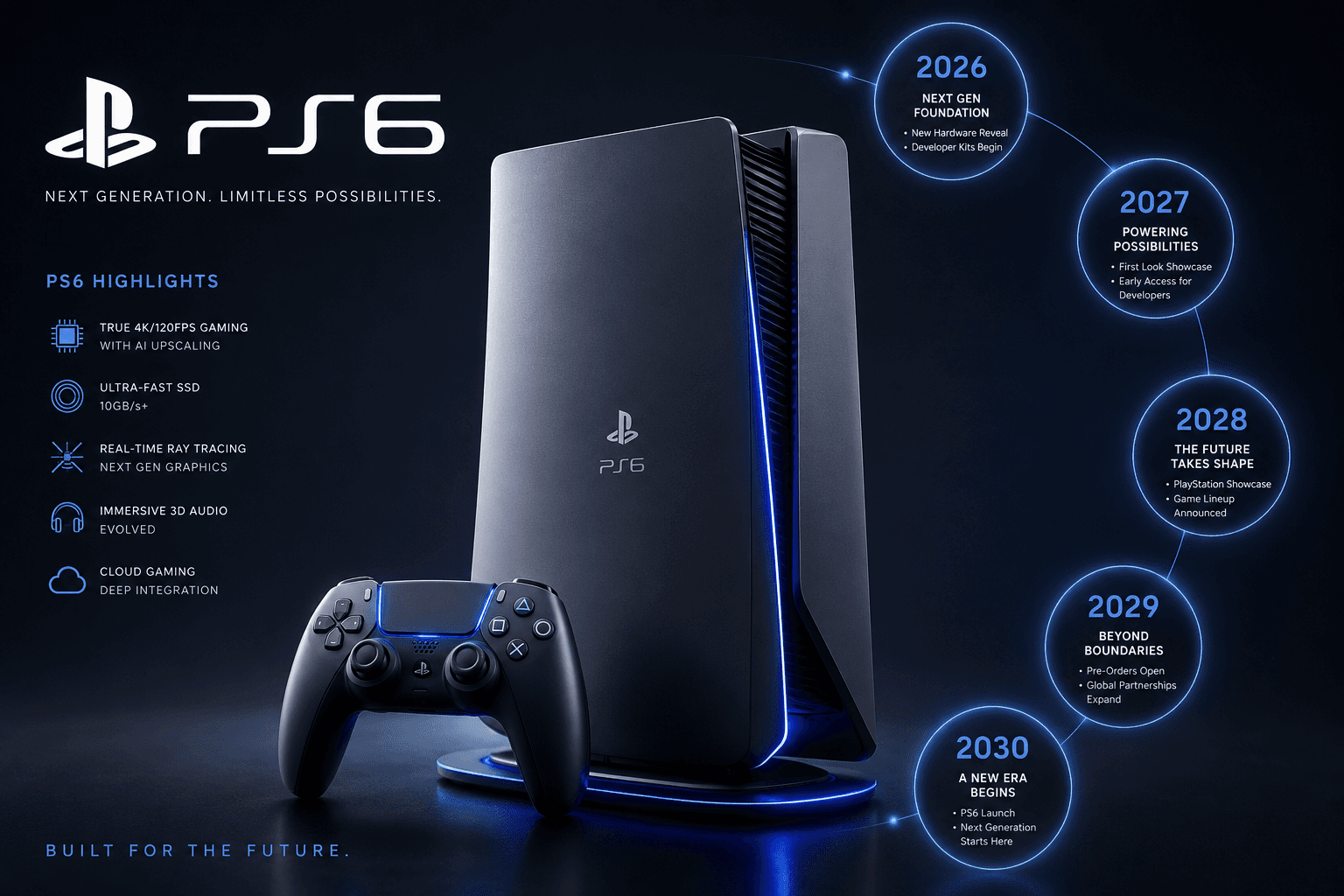
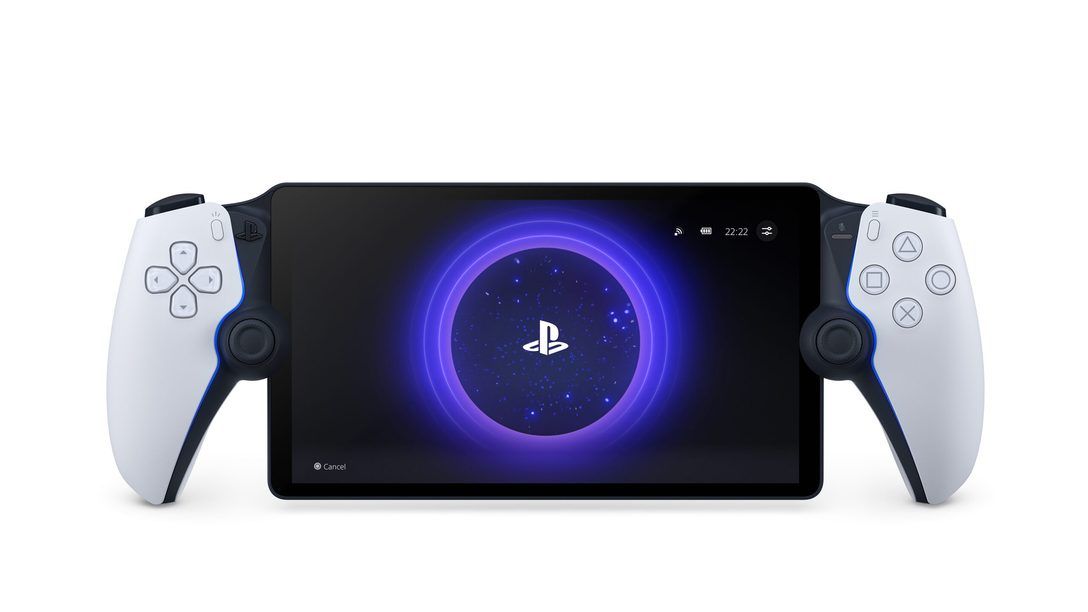
Fresh reporting from industry insider Nash Weedle indicates that both the PlayStation 6 and its anticipated handheld companion will arrive in 2028 instead of the previously anticipated 2027 window. The details emerged through ComicBook.com and highlight significant hurdles around production costs and component pricing that Sony must navigate carefully before any launch. Weedle, better known for Nintendo coverage, stops short of naming an exact month yet history strongly suggests a holiday season debut remains the most probable path forward for maximum impact.
The report stresses that the console could carry a price tag of at least one thousand dollars without substantial financial support from Sony. Such backing might come through higher PlayStation Plus fees or a full move away from physical discs to protect margins. Memory market instability adds further pressure, with little sign of meaningful improvement by the new target year. These factors together paint a picture of a deliberately cautious approach rather than an aggressive push to market.
Insider Perspective on Timeline and Pricing
Weedle frames the shift as a pragmatic response to real-world supply constraints rather than any sudden change in development progress. The absence of a precise launch month leaves room for flexibility, yet the emphasis on holiday timing aligns with Sony's established pattern of strong seasonal releases. Price remains the central concern, with the insider warning that only aggressive subsidisation through recurring revenue streams can keep the hardware accessible to a broad audience.
This outlook contrasts with earlier expectations that placed the machine in late 2027. The revised schedule gives Sony extra breathing room to secure better component deals and refine manufacturing processes. Observers note that similar delays in prior generations often resulted in stronger launch line-ups and smoother supply chains once products finally reached shelves.
Memory Market Volatility and Long-Term Risks
Ongoing fluctuations in memory pricing present the most immediate obstacle to an earlier release. The report suggests these conditions may persist well into the new target window, forcing Sony to absorb higher costs or pass them directly to consumers. Without intervention through service pricing or digital-only strategies, the final retail figure could deter many potential buyers at launch.
Industry analysts have long tracked these cycles, noting that memory volatility tends to favour companies with diversified income sources. Sony's extensive portfolio of subscription services and digital storefronts offers one such buffer. The decision to delay therefore appears calculated to protect both profitability and brand perception in a competitive console landscape.
What This Means for PS6
A 2028 launch window gives Sony additional time to stabilise component costs and potentially refine the hardware itself before release. The emphasis on subscription revenue and digital distribution signals a broader strategic shift that could shape how the console reaches players. Gamers may ultimately benefit from a more polished machine and stronger launch catalogue, though they will likely face higher entry prices or increased service fees to offset development expenses.