Has Trump Delayed the PS6? Inside the Real-World Chaos Behind Gaming’s Next Generation
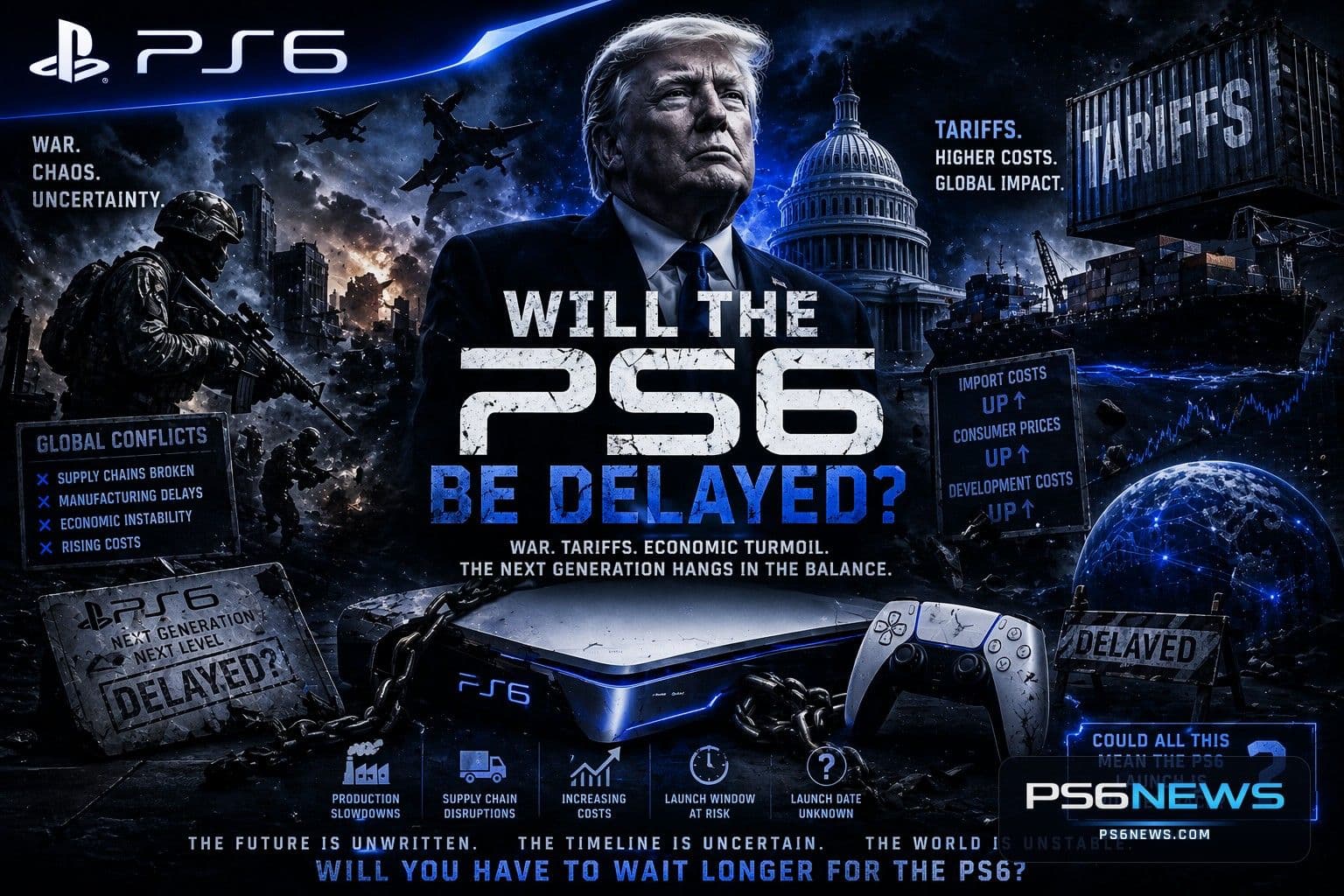
The PlayStation 6 has not been officially delayed. Sony hasn’t announced it, leaked it, or even hinted at a release window publicly. But something far more interesting is happening beneath the surface.
A mix of tariffs, supply chain disruption, and escalating geopolitical tension is quietly reshaping the environment the PS6 will be built in. And while no single event has “delayed” the console outright, the combined pressure of these forces is already affecting the current generation—and could realistically push the next one further out.
This is not speculation pulled from nowhere. It is a pattern already visible in pricing, production, and industry strategy.
The Tariff Shock Already Hit PlayStation
The most immediate and measurable impact comes from U.S. trade policy.
Trump-era tariffs—particularly those targeting China and other manufacturing hubs—have directly increased the cost of gaming hardware. Sony, Microsoft, and Nintendo have all been affected, and the results are already visible.
Sony has raised PS5 prices multiple times, including increases tied directly to tariff pressure and broader supply chain costs.
In some cases, the price hikes have been significant enough to spark backlash, with critics labelling them a “gamer tax” driven by tariffs on imported electronics.
The wider industry impact is even clearer. Analysts have warned that tariffs—especially those as high as 60% on Chinese imports—can disrupt manufacturing, increase costs, and force companies to rethink how and where consoles are built.
This matters for the PS6 because consoles are designed years in advance. If costs rise sharply during development, companies have two choices: delay the product or release it at a much higher price.
Supply Chains Are Being Rewritten in Real Time
Modern consoles are not built in one place. They rely on a global network:
- Chips from Taiwan
- Components from multiple countries
- Assembly often in China or Vietnam
Tariffs have destabilised that system.
Companies are now shifting production away from China, exploring alternatives like Vietnam, India, or even the United States. But this transition is expensive, complex, and slow.
Even worse, tariffs are not limited to one region. As companies move production, new tariffs can follow, creating a moving target that adds uncertainty to long-term hardware planning.
For a console like the PS6, which depends on tightly coordinated global production, that uncertainty alone can slow development timelines.
The Chip Crisis Is Getting Worse, Not Better
If tariffs were the only issue, the industry might absorb the impact. But they are not.
At the same time, there is a growing shortage of memory chips and semiconductor capacity. One major reason is the explosion of artificial intelligence.
Chip manufacturers are prioritising high-margin AI hardware over consumer electronics. This has reduced the supply available for devices like consoles.
The result is simple: fewer components, higher costs, and longer wait times.
This is already affecting consoles today. It will matter even more for the PS6, which will require more advanced and expensive chips than anything currently on the market.
The Iran Conflict Adds a New Layer of Risk
Geopolitics has now entered the picture in a way that few gamers expected.
Recent conflict involving Iran has disrupted global helium supplies—an obscure but critical resource used in semiconductor manufacturing.
Helium is essential for cooling and producing advanced chips. When supply drops, chip production becomes more expensive and more constrained.
At the same time, the conflict has triggered wider supply chain instability, from energy costs to shipping disruptions.
Some analysts have already suggested that these combined pressures could impact future console launches, including the PS6, particularly if the situation continues or escalates.
This is where the idea of a “delayed PS6” starts to move from meme to possibility.
The Perfect Storm Scenario
Individually, each of these factors is manageable. Together, they create a difficult environment for launching a new console.
- Tariffs increase manufacturing costs
- Supply chain shifts slow production
- Chip shortages limit availability
- Geopolitical tensions disrupt key resources
This combination is already pushing up prices and reducing growth in the gaming market.
For a company like Sony, the decision is not just when to release the PS6, but whether the market conditions are right to support it.
Launching too early could mean:
- Extremely high prices
- Limited stock
- Reduced demand
Waiting longer could allow costs to stabilise, but risks falling behind competitors or shifting industry trends.
So Has Trump Delayed the PS6?
Not directly. There is no confirmed delay, and no official announcement linking political decisions to the PS6 timeline.
But indirectly, the answer becomes more complicated.
Trump’s tariffs have already:
- Increased console prices
- Disrupted supply chains
- Forced companies to rethink manufacturing
When combined with the chip shortage and geopolitical instability, they contribute to a broader environment that makes launching the PS6 more difficult than the PS5 ever was.
What Happens Next
If current trends continue, the PS6 generation may look very different from previous launches.
It could arrive later than expected, launch at a higher price point, or rely more heavily on digital and cloud-based ecosystems rather than traditional hardware.
The bigger shift is this: console launches are no longer just about technology. They are shaped by global economics, politics, and supply chains in ways that were once invisible to gamers.
The PS6 is still coming. But the world it is arriving in is far more unstable—and that may be the real story behind the delay people are starting to talk about.