The Next-Gen Showdown: What is Xbox Project Helix?
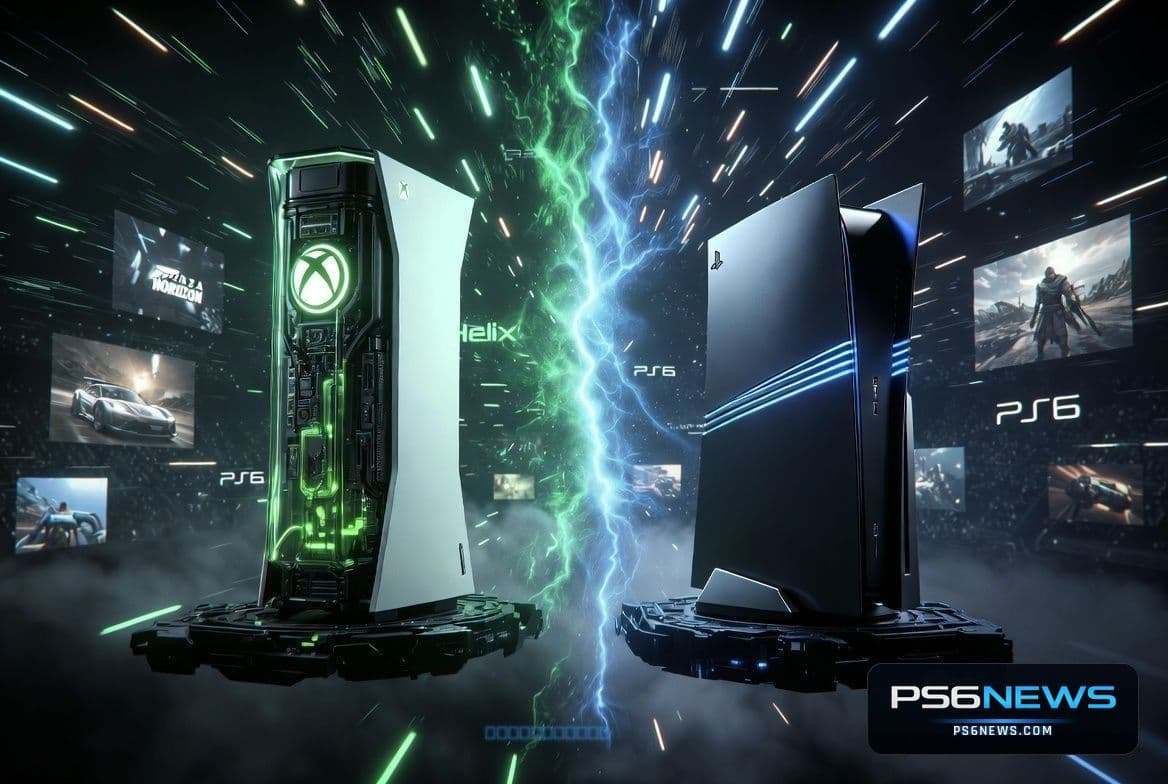
Gaming is about to level up—again. In March 2026, Microsoft dropped a bombshell at its GDC keynote: Project Helix, the official codename for its next-generation Xbox console. No more vague teases—this is the real deal, and it’s not just another box under your TV. Helix is engineered as a true console-PC hybrid that plays both your full Xbox library and native Windows PC games out of the box. But what exactly is it? And how does it compare to Sony’s rumored PlayStation 6? Let’s break down the latest intel (as of May 2026) and why this could reshape gaming forever.
What Exactly Is Xbox Project Helix?
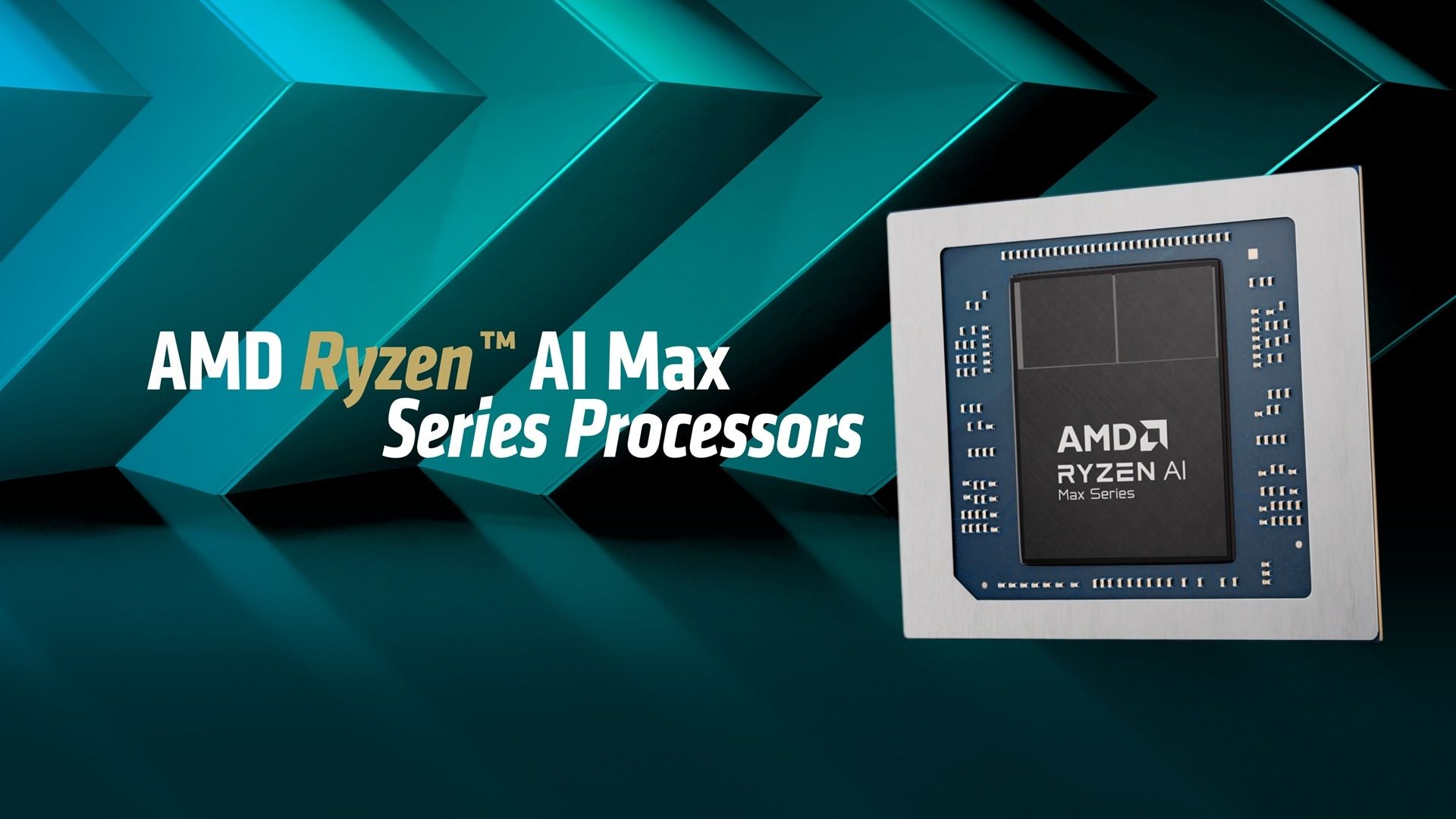
According to Microsoft’s official “From GDC: Building the Next Generation of Xbox” keynote, Project Helix is already “deep in development.” It’s positioned as a console-PC hybrid powered by a custom AMD SoC (internally codenamed “Magnus” per leaks from MLID). Microsoft promises an “order of magnitude leap” in ray tracing performance, next-generation DirectX, and AMD FSR Next (aka FSR Diamond).
Key highlights include deep AI integration directly into the graphics and compute pipeline, massive efficiency gains, neural rendering, ML upscaling, multi-frame generation, neural texture compression, and next-gen ray regeneration. Microsoft also teased “Xbox Mode” coming to Windows 11, signaling tighter ecosystem integration than ever before.
Timeline: Alpha dev kits are heading to developers in 2027, with a full consumer launch realistically pointing to late 2027 or 2028 (Microsoft confirmed more details are coming later this year).
Rumored specs (per credible leaks from MLID and AMD disclosures):
- Process: TSMC 3nm
- Die size: ~408mm² (huge for a console APU)
- CPU: Hybrid design—up to 3 Zen 6 high-performance + 8 Zen 6c efficiency cores
- GPU: RDNA 5 architecture with significantly more Compute Units than current-gen
- Performance claims: Roughly 5-6x rasterization and up to 20x ray tracing versus Xbox Series X (roughly RTX 5080-level raster / 5090-level RT in desktop terms)
PS6 Rumors: Sony’s Traditional Powerhouse
Sony hasn’t officially revealed the PlayStation 6 yet, but a new report that outlines what is and isn’t known about PS6 shows that leaks point to “Orion”—a more conventional next-gen console focused on raw power, full backward compatibility with PS4 and PS5 games, and the usual roster of PlayStation exclusives.
Rumored PS6 specs (according to multiple industry reports):
- Process: TSMC 3nm (or possibly 2nm in some projections)
- Die size: ~280mm² (noticeably smaller than Helix)
- CPU: 8–10 Zen 6 cores (mix of Zen 6c + low-power variants)
- GPU: RDNA 5 with 52–54 Compute Units, delivering roughly 34–40 TFLOPS
- Memory: GDDR7 with ~640 GB/s bandwidth
- Performance: 2.5–3x rasterization and 6–12x ray tracing versus PS5, powered by the next-gen PSSR (PlayStation Spectral Super Resolution) upscaling tech
Sony’s approach remains console-first: tighter hardware optimization, blockbuster first-party titles, and a polished single-purpose experience.
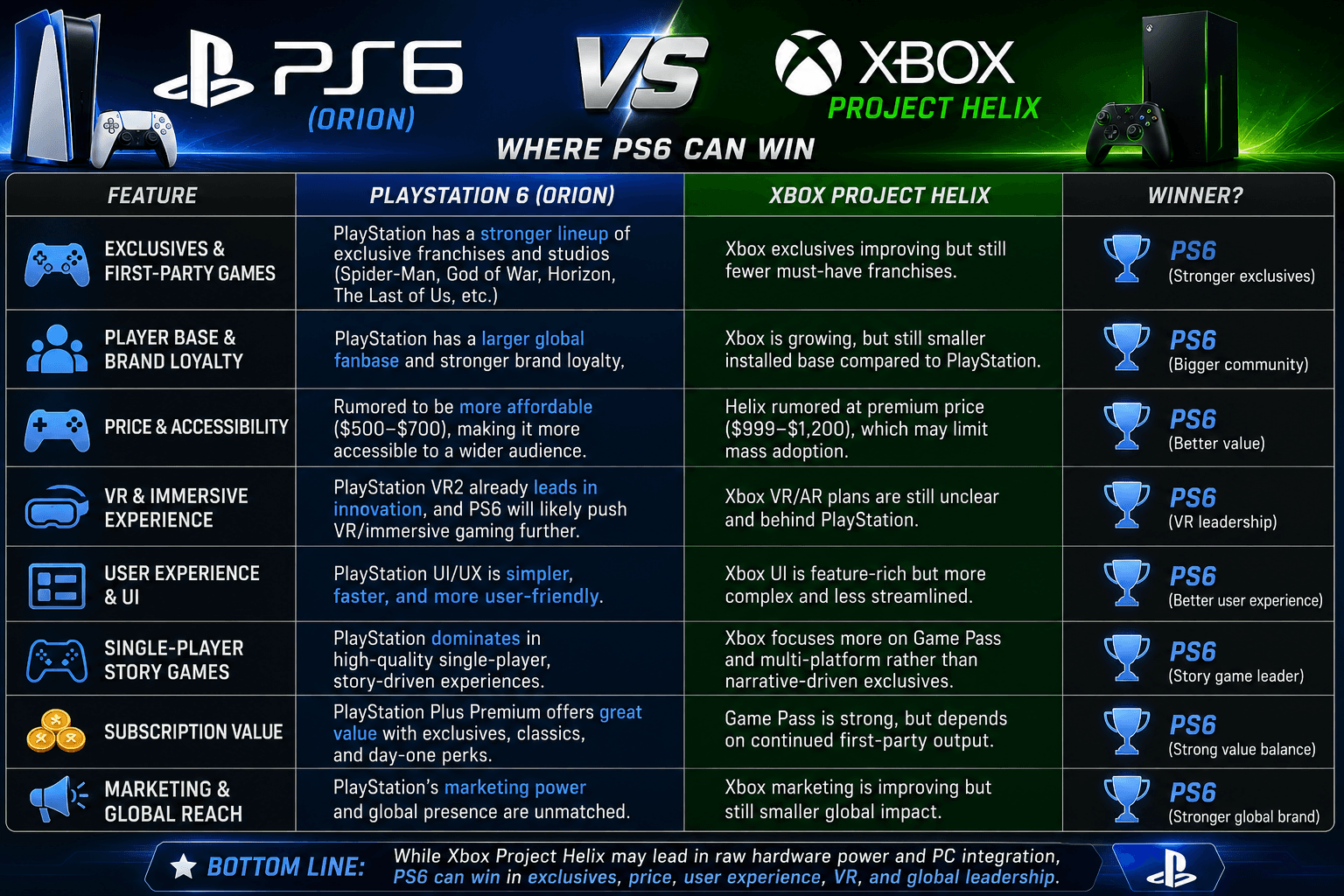
Head-to-Head: Helix vs. PS6
Here’s the latest leaked comparison (May 2026 data):
Bottom line on performance: Helix looks stronger on paper—bigger chip, more raw horsepower, and superior AI upscaling tech. But Digital Foundry analysts note the real-world gap might not feel massive on day one; software optimization will still matter most.
The real differentiator? Philosophy. Helix wants to be your everything machine: plug in, play Forza at 4K/120 with ray tracing, then hop straight into Elden Ring on Steam without ever touching a separate gaming PC. PS6 doubles down on the PlayStation magic—cinematic exclusives, DualSense 2 haptics, and a curated experience that “just works.”
Why This Matters (and Why You Should Care)
Xbox sales have trailed PlayStation for years, but Project Helix feels like Microsoft’s bold counterpunch. By unifying Xbox and Windows, they’re betting the future isn’t “console vs. PC”—it’s one seamless ecosystem powered by Game Pass, cloud, and now native PC titles. Sony, meanwhile, sticks to what made PlayStation legendary: hardware that punches above its weight and games you can’t get anywhere else.
Both platforms are built on AMD Zen 6 + RDNA 5 tech, but Helix’s hybrid DNA and larger silicon could give it the edge in raw ambition. Expect jaw-dropping visuals either way—neural rendering, path-traced worlds, and AI-assisted gameplay are finally coming to living rooms.
Price speculation: Helix could launch higher due to its PC-capable hardware (some leaks whisper $1,000+). PS6 might feel like the “value” king at traditional console pricing.
The Future Starts Now
We’re still early—full reveals, pricing, and PS6 release date details are months (or years) away. But one thing is crystal clear: the next console generation isn’t just about more pixels. It’s about breaking barriers.
Will you go hybrid with Project Helix for ultimate flexibility? Or stay loyal to the PlayStation 6 ecosystem? Drop your pick in the comments.
Stay tuned—more Helix details are dropping later in 2026. The console wars are heating up, and this time, the lines between platforms might finally disappear.
What do you think—Helix changing the game, or PS6 still the king? Let’s discuss! 🚀