PlayStation PlayGo Explained: Sony Adopts Smart Delivery-Style Optimization for PS6
Sony appears to be laying the groundwork for the PlayStation 6 with a major behind-the-scenes upgrade to how games are delivered and optimized. Known as PlayGo, this evolving system is widely described as Sony’s answer to Xbox’s Smart Delivery—but with its own unique twist.
While PlayGo has existed in earlier forms since the PS4 era, new updates in the PS5 SDK 13 suggest it is becoming far more advanced and central to Sony’s next-generation strategy.
So what exactly is PlayGo, and why does it matter for PS6? Let’s break it down.
What Is PlayGo?
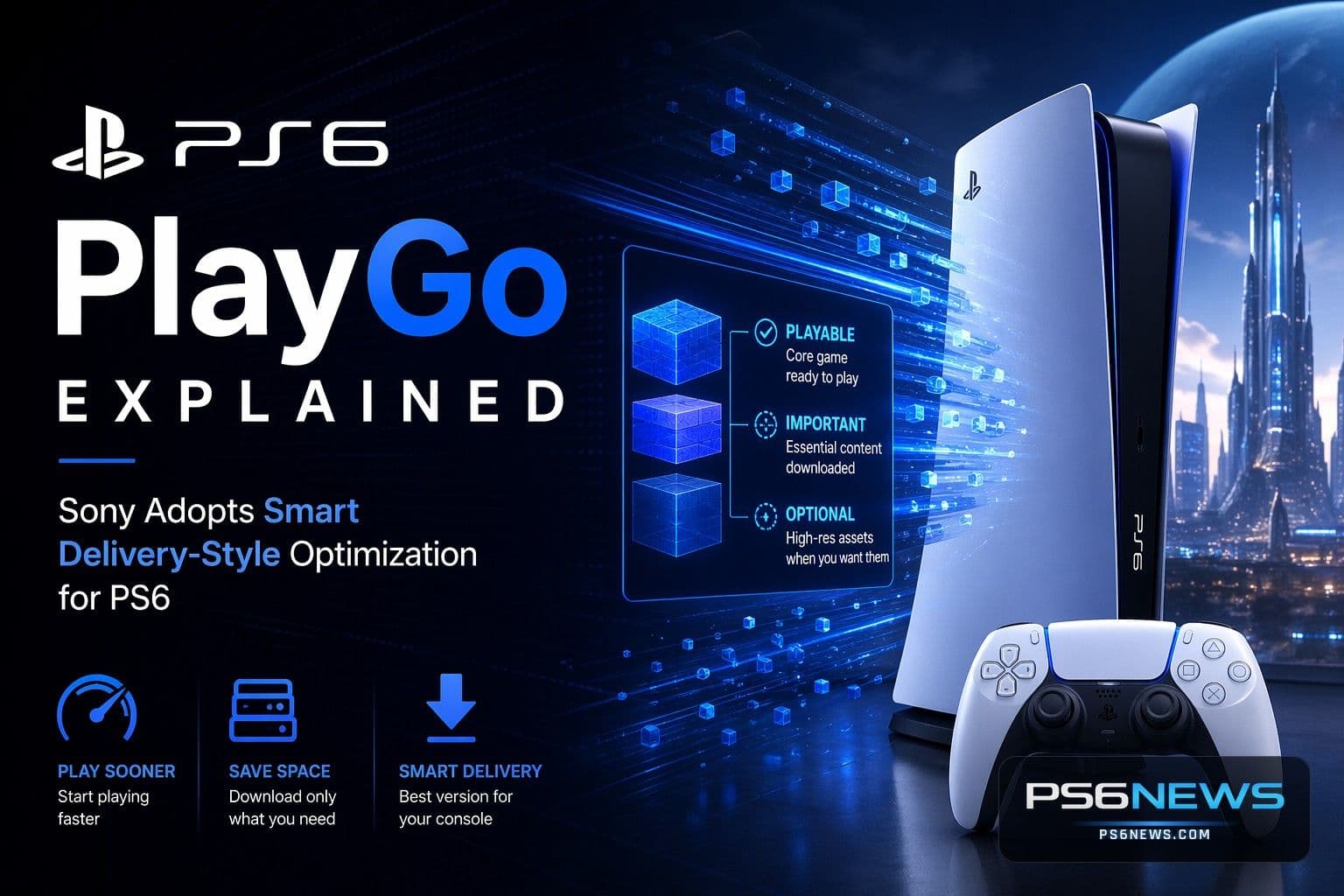
At its core, PlayGo is a system that allows games to be broken into smaller, targeted chunks of data, such as textures, assets, and performance profiles.
Instead of downloading a full game package packed with unnecessary files, your console only installs what it actually needs.
For example:
- A base PS5 wouldn’t need ultra-high-resolution textures designed for a PS5 Pro
- A handheld system wouldn’t need large console-level assets
PlayGo allows developers to separate these assets and assign them to specific hardware profiles, meaning each device gets a tailored version of the game.
Sony’s Version of Smart Delivery
If this sounds familiar, that’s because it closely mirrors Microsoft’s Smart Delivery system on Xbox.
Smart Delivery ensures players automatically get the best version of a game for their console without needing to manually choose or repurchase it.
Sony’s PlayGo is effectively the same idea—but arguably more flexible.
According to leaks and developer insights, PlayGo:
- Lets developers define multiple hardware targets (PS4, PS5, PS5 Pro, etc.)
- Delivers only the required assets for each system
- Reduces unnecessary downloads and storage usage
This makes it Sony’s cross-generation delivery system, designed to unify future PlayStation platforms.
Why PlayGo Matters for PS6
The real significance of PlayGo lies in how it prepares Sony for the PlayStation 6 era.
1. Cross-Generation Compatibility
Sony is clearly moving toward a unified ecosystem where:
- PS4, PS5, and PS6 games can coexist
- One purchase works across multiple devices
- Developers don’t need separate builds for each system
PlayGo enables this by managing content at a granular level.
2. Support for a PS6 Handheld
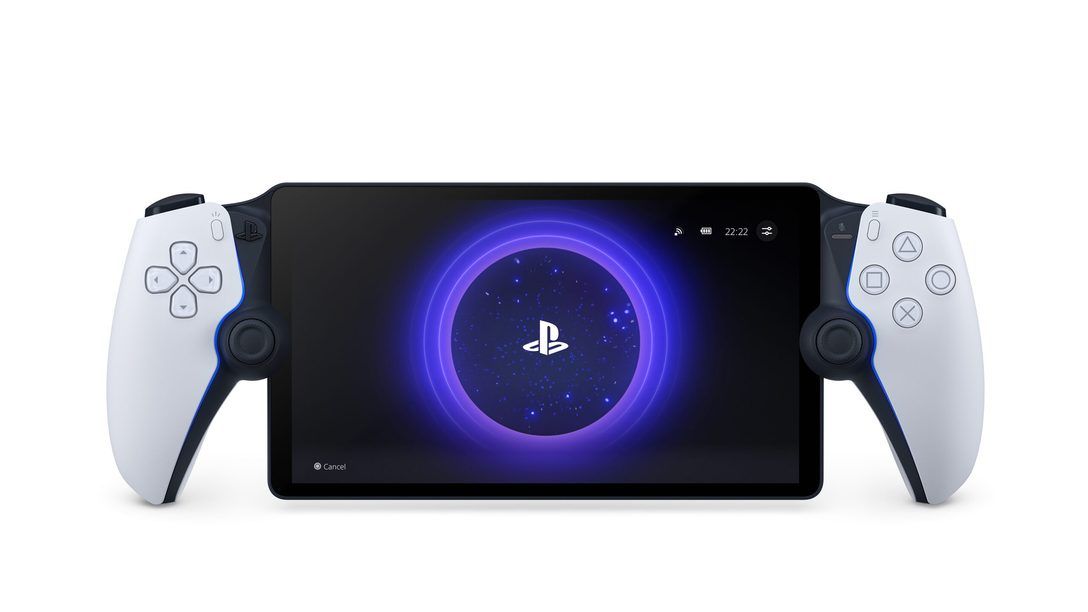
One of the most interesting revelations tied to PlayGo is its connection to a rumored PS6 handheld device.
The SDK introduces something called “Power Saver Mode,” which has its own dedicated asset packaging.
This mode is believed to:
- Represent a lower-power hardware profile
- Match the expected capabilities of a handheld system
- Serve as a compatibility layer for portable gaming
In simple terms, PlayGo could allow the same game to run on:
- A high-end PS6 console
- A lower-power handheld
—with each getting optimized assets automatically.
3. Faster Downloads and Smaller File Sizes
One of the biggest frustrations in modern gaming is massive file sizes.
PlayGo directly addresses this by ensuring:
- No unnecessary 4K textures are downloaded
- Storage usage is minimized
- Download speeds are effectively improved
Instead of downloading a bloated package, users receive a lean, optimized version of the game.
4. Better Performance Optimization
Because each system gets tailored assets, developers can:
- Optimize performance more precisely
- Balance visuals vs performance per device
- Improve efficiency across different hardware tiers
This becomes especially important if Sony launches multiple PS6 models or performance tiers.
PlayGo vs Traditional Game Installs
Before PlayGo’s evolution, developers often had to include all assets in one package, regardless of the user’s console.
That meant:
- Base PS5 users downloading PS5 Pro assets
- Larger install sizes
- Wasted storage and bandwidth
PlayGo changes that completely by introducing selective asset delivery, ensuring only relevant data is installed.
Is PlayGo New?
Not entirely.
PlayGo originally existed as a feature that allowed players to:
- Start playing games before downloads finished
- Prioritize essential game data
However, the new version is far more advanced and acts as a full ecosystem-level optimization system.
It’s no longer just about faster loading—it’s about how games are built, distributed, and scaled across generations.
What This Means for Gamers
If PlayGo evolves as expected for PS6, players can expect:
- One purchase across multiple PlayStation devices
- Smaller downloads and less wasted storage
- Better performance tailored to each system
- Seamless transition between console and handheld gaming
In many ways, it signals Sony’s shift toward a more flexible, user-friendly ecosystem.
The Bigger Picture: Sony’s Strategy
PlayGo isn’t just a feature—it’s part of a broader strategy.
Sony appears to be moving toward:
- A unified PlayStation platform
- Multiple hardware types (console + handheld)
- More efficient development pipelines
This aligns with industry trends where ecosystems matter more than individual devices.
PlayGo could be the foundation that ties it all together.
FAQs
What is PlayStation PlayGo?
PlayGo is a system that allows games to be split into smaller data chunks so consoles only download the assets they need, improving efficiency and performance.
Is PlayGo the same as Xbox Smart Delivery?
It’s very similar. Both systems ensure players get the correct version of a game for their hardware, but PlayGo may offer more granular control over assets and performance.
Will PlayGo be used on PS6?
All signs point to yes. Recent SDK updates suggest PlayGo is being expanded specifically for next-generation systems like the PS6.
Does PlayGo reduce game file sizes?
Yes. By removing unnecessary assets, PlayGo can significantly reduce download sizes and storage usage.
What is Power Saver Mode in PlayGo?
Power Saver Mode is a hardware profile within PlayGo that likely represents a lower-power system—possibly a PS6 handheld device.
Will PS6 have a handheld console?
It’s not officially confirmed, but multiple leaks suggest Sony is developing a handheld device that could work alongside the PS6.
Do developers benefit from PlayGo?
Absolutely. It simplifies development by allowing one game build to scale across multiple devices with optimized asset delivery.