PS6 vs Next Xbox (Project Helix): Who Wins on Price, Power & Release Date?
The next generation of consoles is shaping up to be one of the most interesting matchups in years. On one side sits Sony’s PlayStation 6, widely expected to follow the traditional console playbook with strong first-party support and a balanced design. On the other is Microsoft’s Project Helix (the codename for the next Xbox), which is being positioned as a more ambitious, PC-hybrid machine with significantly higher raw power.
With both platforms targeting a late 2027 window, here’s a detailed head-to-head comparison across the three areas that matter most to most gamers: Release Date, Power/Specs, and Price.
Release Date: Very Close, Slight Edge to Xbox
Both companies are aiming for late 2027.
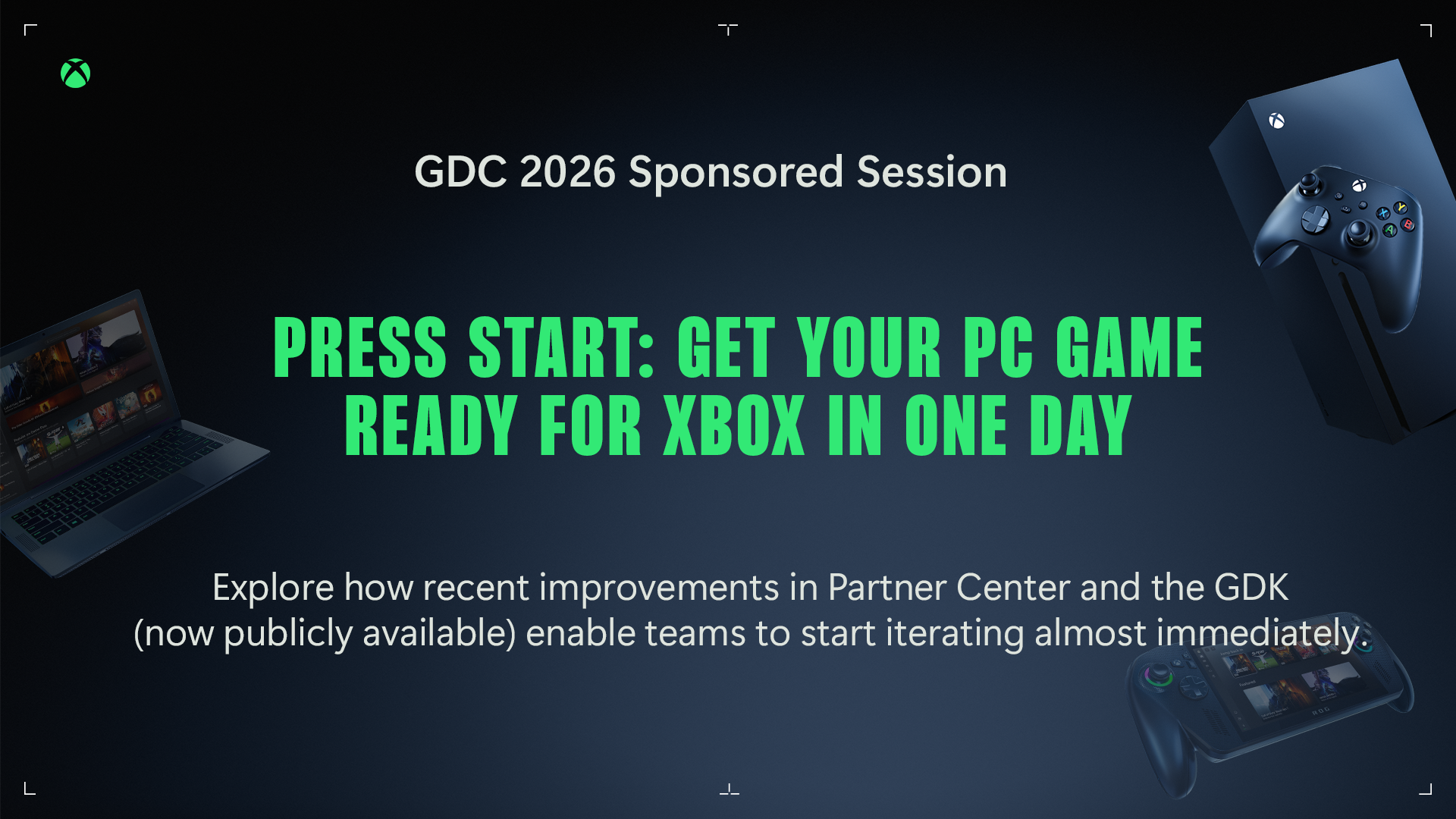
Microsoft made it official at GDC 2026 that alpha developer kits for Project Helix will begin shipping to studios in 2027. This is a strong signal that a consumer launch later that same year remains the target. As one Xbox executive noted during the presentation, the hardware is being built to deliver “an order of magnitude leap in ray tracing performance and capability.” Xbox Wire detailed the announcement here.
Sony has been more cautious publicly. President and CEO Hiroki Totoki confirmed in May 2026 that the company has not yet finalized the PS6 timing, citing ongoing high memory prices. However, most hardware insiders (including Moore’s Law Is Dead and KeplerL2) still believe a holiday 2027 launch is Sony’s internal target, with early 2028 as the realistic fallback if component costs remain problematic.
Verdict on Release Date: Slight edge to Xbox. Microsoft has been more transparent about developer timelines, giving them a small advantage in locking in third-party support earlier. That said, both consoles are realistically looking at the same holiday window. For the latest aggregated rumors on the PS6 side, check our PS6 release date page.
Power & Specs: Clear Advantage to Project Helix on Paper
This is where the biggest gap appears in current leaks and official statements.
Microsoft is going big. Project Helix features a much larger custom AMD chip (rumored ~408mm² die size) with significantly more GPU compute units than the PS6. Leaks point to around 68 RDNA 5 Compute Units versus roughly 54 on the PlayStation 6. Microsoft has also publicly emphasized massive gains in ray tracing — claiming an “order of magnitude” improvement — along with heavy AI integration throughout the graphics pipeline.
Sony appears to be taking a more efficient approach. The PS6 is rumored to use a smaller die (~280mm²) on a more advanced process node, with strong but more measured performance targets. Insiders suggest it will still deliver a substantial leap over the PS5 Pro, particularly in ray tracing and efficiency, but it won’t match the raw horsepower Microsoft is packing into Helix.
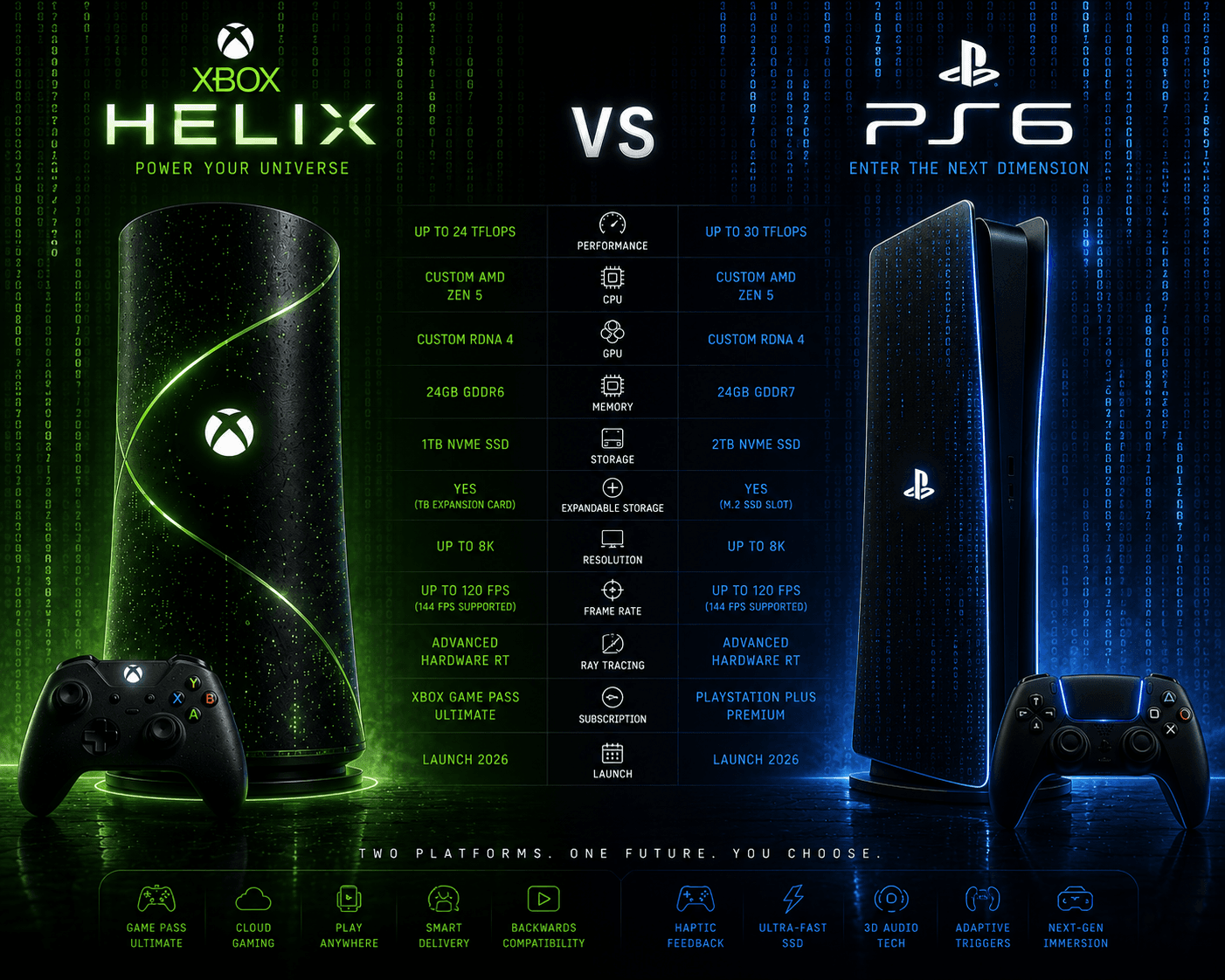
Here’s a quick side-by-side based on current rumors:
AreaPlayStation 6Project Helix (Xbox)WinnerGPU~54 RDNA 5 CUs~68 RDNA 5 CUsXboxDie Size~280mm²~408mm²Xbox (power)Ray TracingStrong leap“Order of magnitude” leapXboxEfficiencyBetter process nodeLarger but more power-hungryPS6Memory30–40GB GDDR7 (rumored)36–48GB GDDR7 (rumored)Xbox
For a deeper look at the rumored PS6 hardware, see our PS6 specs overview.
Verdict on Power: Project Helix wins on raw performance and ray tracing ambition. If you care most about maximum graphical fidelity and future-proofing for the most demanding titles, Microsoft currently has the stronger paper specs. Sony’s advantage lies in efficiency and (potentially) better optimization for its own first-party games.
Price: Sony Should Win on Affordability
This is likely where the two consoles will differ the most at retail.
Project Helix is shaping up to be an expensive machine. Early bill-of-materials estimates have placed it in the $999–$1,200+ range before the recent memory price spikes. Microsoft appears comfortable targeting a premium segment, especially if the console is positioned as a high-end device that also plays PC games well.
Sony, by contrast, has historically aimed for more accessible pricing. While the PS6 will almost certainly cost more than the PS5, most rumors point to a launch price in the $599–$749 range. Sony has repeatedly signaled it wants to avoid pricing itself out of the market, even as component costs rise.
Verdict on Price: PlayStation 6 is expected to be noticeably more affordable. If Sony can keep the console under $700 while delivering a solid generational leap, it will have a major advantage with mainstream buyers. For more on potential PS6 pricing and manufacturing costs, see our PS6 cost analysis.
Other Factors Worth Considering
- Ecosystem & Strategy: Xbox is leaning heavily into a PC-hybrid future with strong Game Pass integration. PlayStation continues to focus on premium single-player experiences and console exclusivity.
- Handheld Potential: Rumors suggest Sony may launch a PS6 handheld alongside (or shortly after) the main console. Microsoft has been quieter on portable hardware.
- Developer Support: Both will get strong third-party backing, but Microsoft’s earlier devkit timeline could give it a temporary edge in optimization.
Final Verdict: It Depends on What You Value
CategoryWinnerWhyRelease DateXbox (slight)More transparent developer timelineRaw PowerProject HelixLarger chip, more CUs, bigger ray tracing leapPricePS6Expected to be significantly more affordableEfficiencyPS6Smaller, more advanced process nodeValue for Most GamersPS6Better balance of performance and price
Right now, Project Helix looks like the more powerful machine on paper, while the PlayStation 6 appears better positioned for mass-market appeal and value.
The real winner will depend on execution. If Microsoft can deliver on its ambitious ray tracing and AI promises without charging a fortune, Helix could redefine what a console can be. If Sony keeps the PS6 reasonably priced and leverages its strong first-party lineup, it could once again win the hearts (and wallets) of most console gamers.
Both consoles are still a year or more away, and a lot can change — especially with ongoing memory price volatility. We’ll keep updating comparisons as new information emerges. For more detailed leaked comparisons, Wccftech has a solid roundup here.
What are you most excited (or worried) about for the next generation? Let us know in the comments! For the full picture of everything we’re tracking on the PS6, return to the PS6 News homepage anytime.