Sony PS6 Patent Unveils Advanced Cooling Design
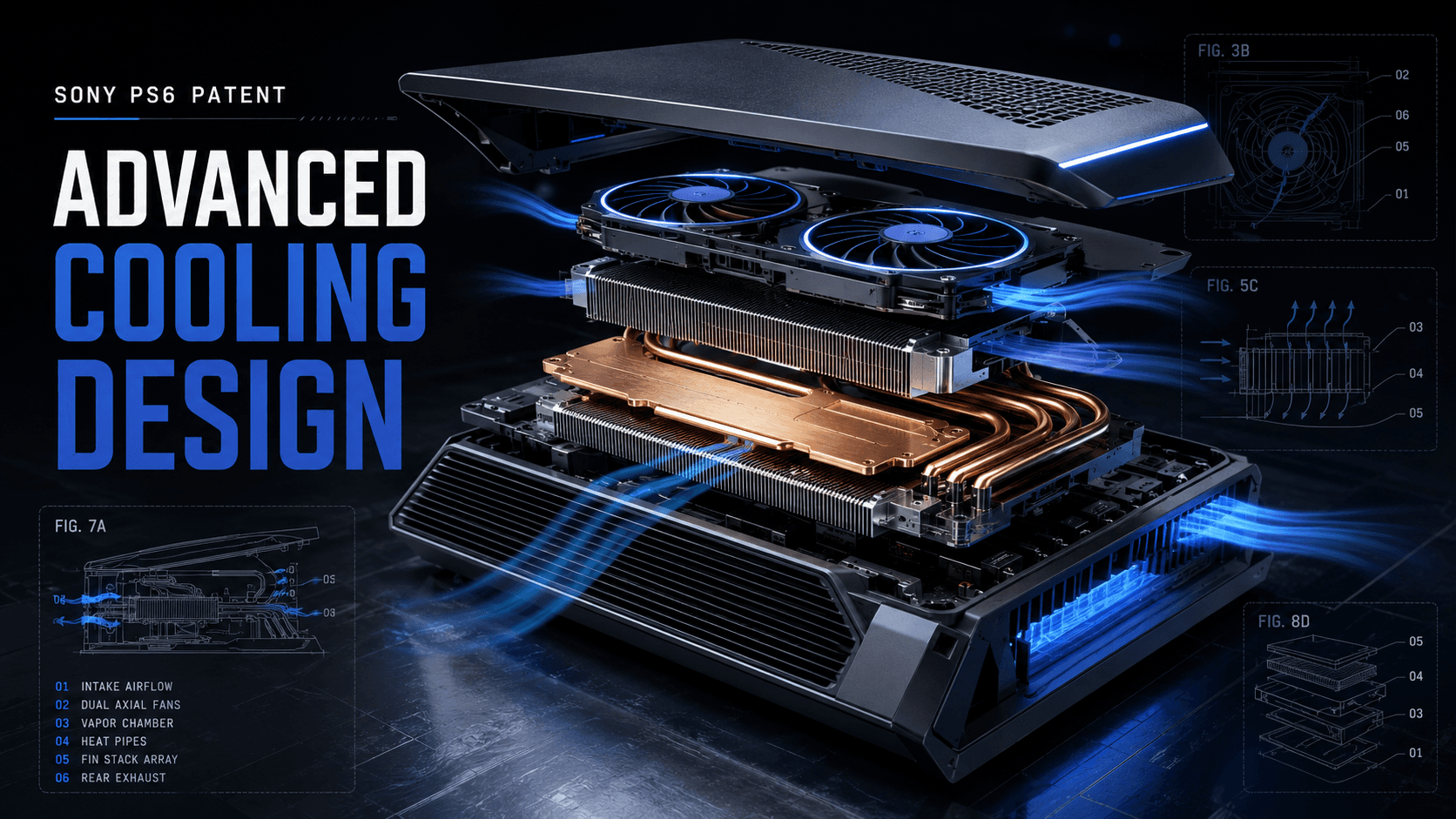
TweakTown first reported on a June 2026 Sony patent that outlines a redesigned sealed heat-pipe cooling system intended for the upcoming PS6. The document explains how the new arrangement maintains consistent thermal performance whether the console stands upright or lies flat. This approach could replace the liquid metal interface used in the PS5 and deliver cooler component temperatures along with reduced fan noise during intense gaming sessions. The patent highlights improved stability under sustained loads and notes that extra internal space in a likely digital-only chassis would help accommodate the larger cooling assembly. It remains important to remember that patents do not confirm final hardware choices.
The cooling architecture described focuses on sealed heat pipes that transfer heat away from critical chips more efficiently across different orientations. By eliminating reliance on liquid metal, the design may lower maintenance concerns and improve long-term reliability. Engineers appear to have prioritised both acoustic performance and thermal headroom so that the PS6 can sustain higher clock speeds without aggressive fan curves. The patent suggests the system benefits from the additional room expected in a disc-less model, allowing thicker heat pipes and larger radiators. Overall the filing points to a more robust cooling solution that could help the next PlayStation deliver steadier frame rates and quieter operation than its predecessor.
Evolution of Console Cooling Technology
Console cooling has steadily advanced since the original PlayStation to handle increasingly powerful processors and graphics chips. Early models relied on basic heatsinks and fans, while later generations introduced vapour chambers and liquid metal compounds to manage higher thermal loads. Sony's latest patent builds on this progression by proposing a sealed heat-pipe network that functions effectively in both vertical and horizontal positions. The approach addresses a common limitation where orientation affects heat flow and fan efficiency. Such refinements matter because modern games push hardware harder for longer periods, demanding consistent thermal performance to avoid throttling or excessive noise.
The shift toward digital-only hardware also influences cooling strategies by freeing up internal volume previously occupied by disc drives. This extra space allows designers to incorporate larger heat exchangers without increasing the overall footprint of the console. The patent emphasises that the new system aims for better stability under load, which could translate into smoother gameplay during extended sessions. While the document does not detail exact temperature targets, it stresses reduced component heat and quieter operation as primary goals. These priorities reflect ongoing industry efforts to balance raw performance with user comfort in living-room environments.
Industry Context and Design Trade-offs
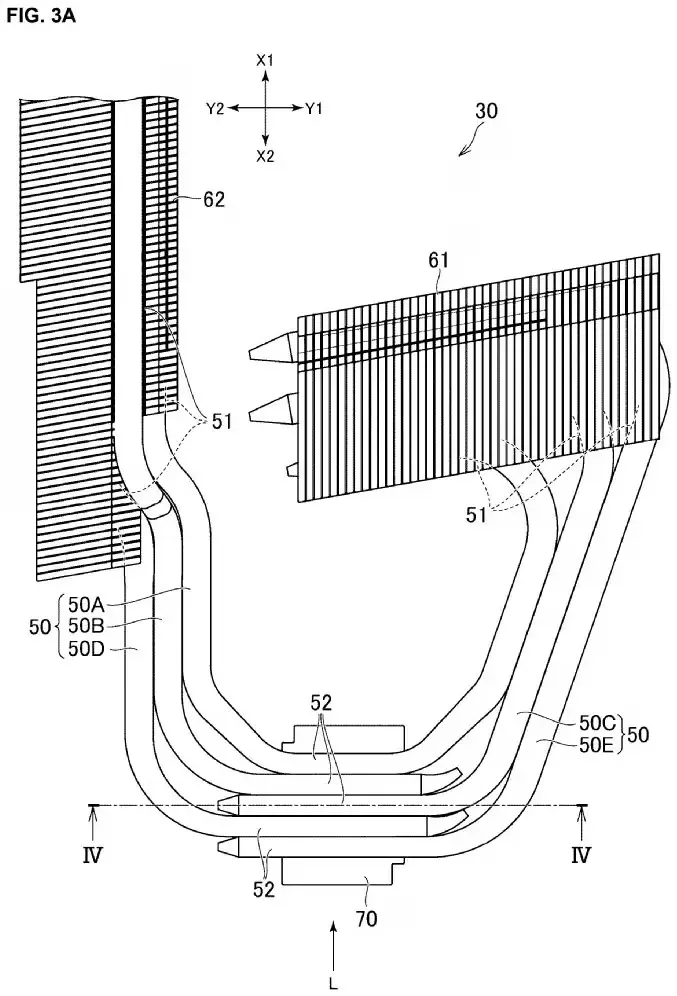
Cooling solutions often represent a careful balance between performance, acoustics, cost and manufacturing complexity. Sony's patent explores one possible path that avoids liquid metal while still improving heat dissipation across orientations. The sealed heat-pipe concept could simplify assembly and reduce the risk of leakage or degradation over time. Because the filing originates from Sony's engineering teams, it signals continued investment in thermal innovation ahead of the next console generation. However, the document stops short of guaranteeing implementation, leaving open the possibility that alternative cooling methods may ultimately be selected.
The emphasis on digital-only architecture suggests Sony sees value in maximising internal space for thermal components rather than optical drives. This choice aligns with broader market trends where physical media usage continues to decline. The patent's focus on orientation-independent performance could also benefit users who prefer different console placements in their entertainment setups. By addressing both temperature and noise, the proposed system targets two frequent pain points reported by players of high-performance hardware. These details provide a glimpse into the engineering considerations shaping future PlayStation designs.
What This Means for PS6
If adopted, the patented cooling system could allow the PS6 to maintain higher sustained performance with less audible fan noise, enhancing the overall user experience in both upright and horizontal setups. The design's reliance on extra internal space further supports expectations of a digital-only model that prioritises thermal efficiency. While the patent offers no guarantees of final implementation, it demonstrates Sony's active exploration of solutions that address real-world usage constraints. Players can therefore anticipate continued focus on quieter and more stable hardware as the next generation approaches. This filing adds another piece to the evolving picture of what the PS6 might deliver in terms of everyday reliability and comfort.