Mexico Launches Antitrust Action on Sony Disc Plans
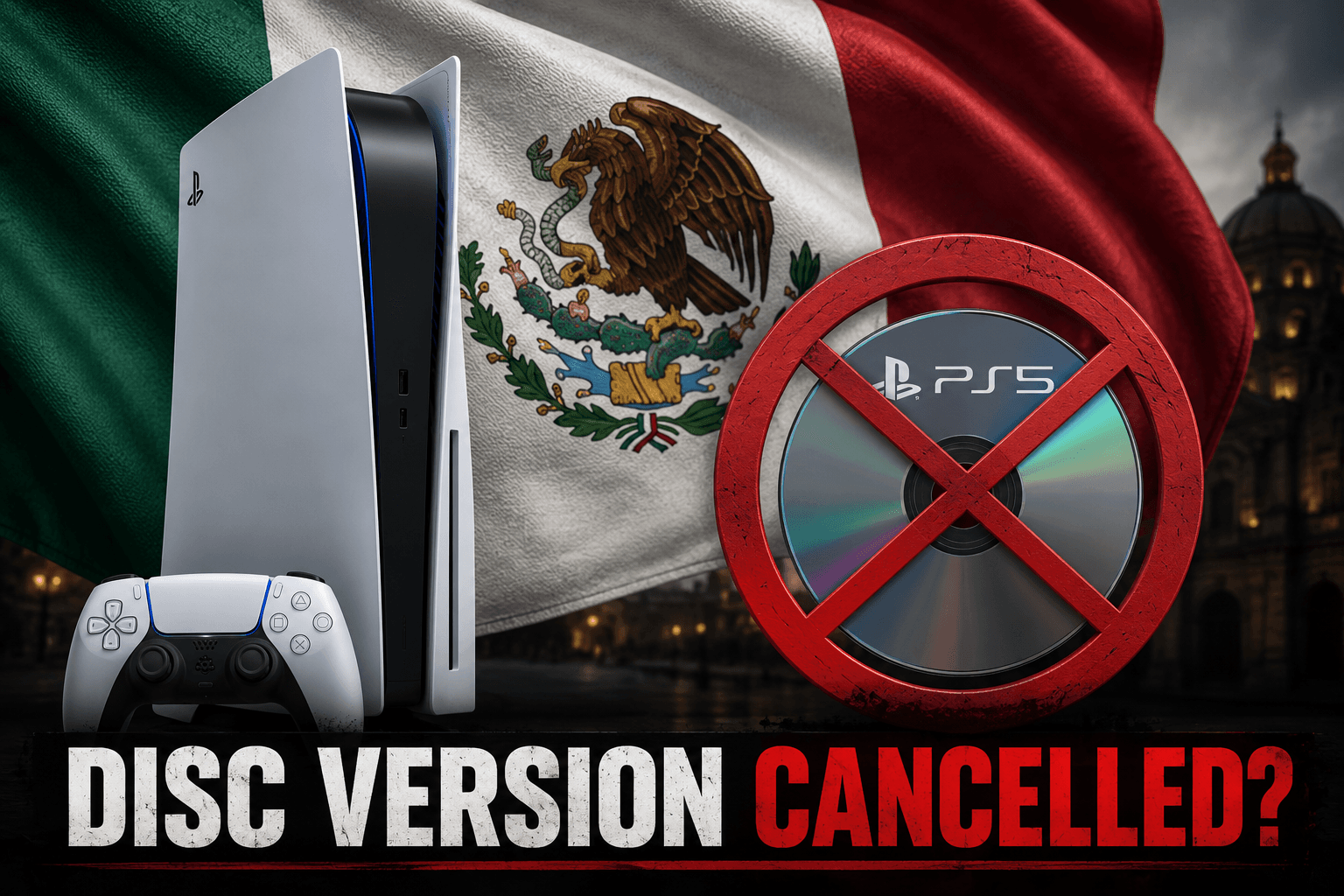
Mexican regulators now face a formal antitrust complaint against Sony Interactive Entertainment over its plan to halt physical PlayStation game disc production from January 2028. Federal Representative Iraís Reyes and Senator Luis Donaldo Colosio lodged the filing according to a TweakTown report from 20 July 2026. The politicians claim the move would eliminate physical sales channels and hand Sony unchecked power to set prices and terms. They warn this shift threatens consumer choice and smaller studios while removing ownership rights from buyers. The complaint highlights wider industry trends away from physical media and suggests the decision could reshape global responses to digital transitions.
The representatives argue that removing physical discs would leave digital stores as the sole option for purchasing new games. This change risks allowing Sony to control every aspect of distribution without competitive pressure from retailers. Smaller development teams could suffer most because they rely on physical shelf presence for visibility. The filing frames the strategy as anti-competitive conduct designed to consolidate platform dominance. Regulators in Mexico will now examine whether the January 2028 cutoff breaches existing competition rules and harms the broader market.
Background to the Digital Shift
Sony has steadily reduced support for physical media across recent console generations as digital downloads grow in popularity. The company previously signalled that future hardware may launch without disc drives to cut costs and streamline production. Industry analysts connect the planned 2028 production end directly to expectations that the next PlayStation will arrive as a digital-only system. Physical sales have declined steadily worldwide yet many consumers still prefer owning tangible copies they can resell or lend. The Mexican complaint arrives amid these ongoing changes and questions whether rapid digitalisation serves public interest.
Regulators must weigh claims that Sony's move limits competition against arguments that digital delivery offers convenience and lower environmental impact. The complaint stresses that platform control over digital storefronts allows unilateral price adjustments and content removal without warning. Smaller publishers lose access to physical retail networks that once provided alternative discovery routes. Mexico's investigation could influence how other nations respond to similar industry moves toward fully digital ecosystems.
PlayStation Console Launch Dates
| Console | Launch Year | Notes |
|---|---|---|
| PS1 | 1994 | Physical discs only |
| PS2 | 2000 | Physical discs dominant |
| PS3 | 2006 | Physical and digital options |
| PS4 | 2013 | Digital sales rising |
| PS5 | 2020 | Digital editions available |
| PS6 | 2028 (Projected) | Likely digital-only design |
Potential Global Impact
A successful Mexican case could encourage similar regulatory scrutiny in other countries facing the same digital transition. Consumer groups elsewhere have already raised concerns about losing ownership when games exist only as licensed downloads. The outcome may force Sony and other platform holders to maintain physical options longer than planned or introduce new safeguards. Analysts note that precedent set in Mexico might slow the industry-wide move toward disc-free consoles and storefront monopolies.
Developers fear reduced revenue streams if physical retail disappears entirely while platform fees remain high. The complaint also highlights risks of sudden delisting or price hikes once physical competition vanishes. Regulators will study whether these effects constitute genuine market harm or simply reflect natural technological progress in entertainment distribution.
What This Means for PS6
The Mexican filing directly references expectations that the PS6 will launch without any disc drive support in 2028. Should regulators block or delay Sony's physical production cutoff the company may need to reconsider hardware plans or offer regional variants. Players hoping for continued physical ownership now have an international regulatory lens on the issue. The case outcome will shape whether the next generation truly becomes digital-only or retains hybrid options under pressure.