PS6 Handheld Could Gain an Exclusive RDNA 5 Advantage

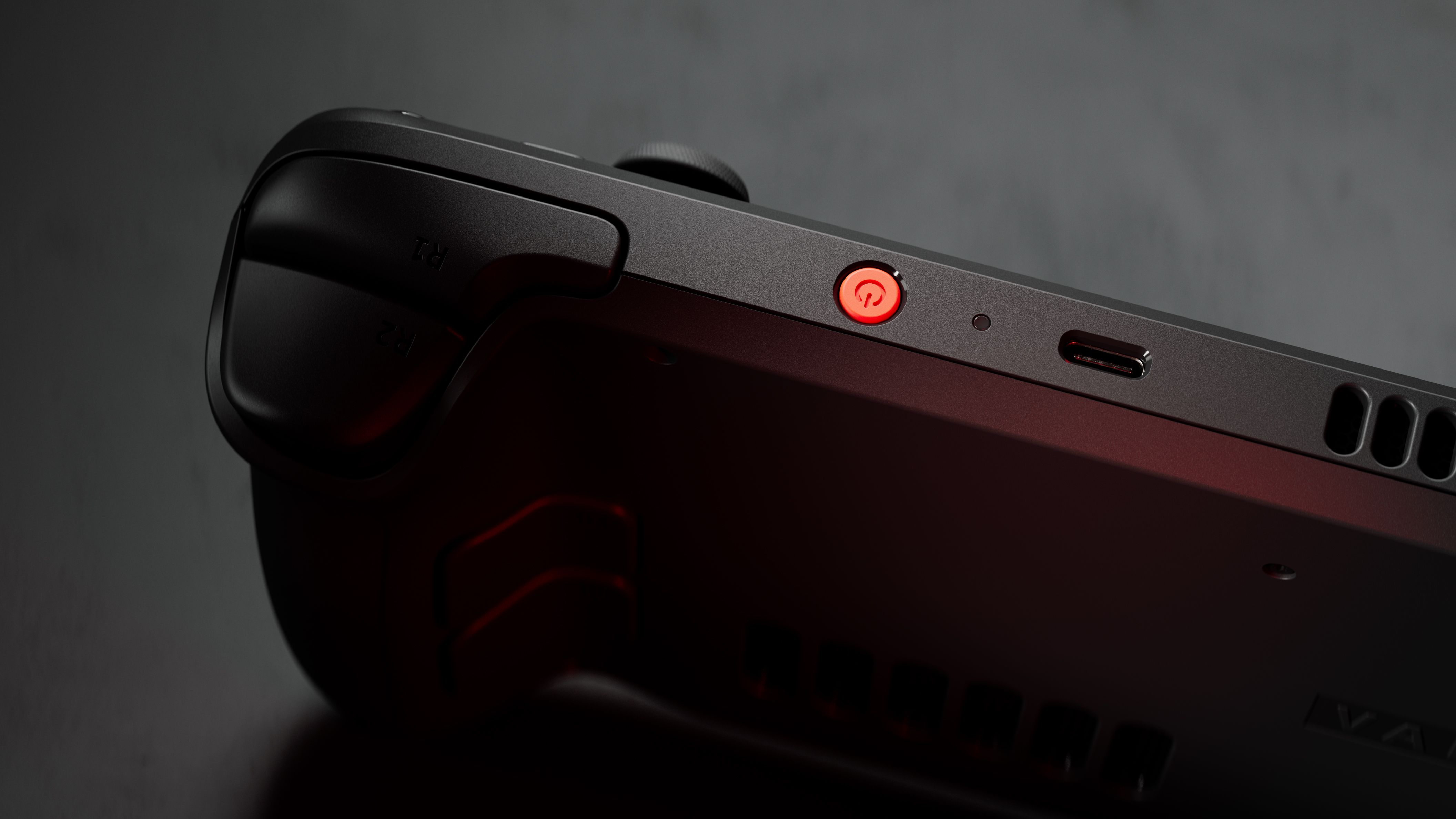
Sony’s rumoured native PlayStation handheld may have a more important advantage than a larger compute-unit count. Digital Foundry’s Richard Leadbetter reportedly said there have been behind-the-scenes discussions suggesting Sony has an “exclusive of sorts” on AMD’s next-generation RDNA 5 technology for a handheld device.
The claim was relayed by IGN on 26 October 2026. It is not a Sony announcement, an AMD product disclosure or evidence of a signed legal exclusivity agreement. Sony has still not announced a PS6 handheld, final specifications, a design, a price or a release date.
Even with those limits, the report is significant. If Sony can secure a purpose-built semi-custom processor while rivals rely on more general-purpose laptop or handheld chips, the company could shape the silicon around PlayStation compatibility, power management and its own graphics software instead of adapting an off-the-shelf design.
What the New RDNA 5 Report Actually Says
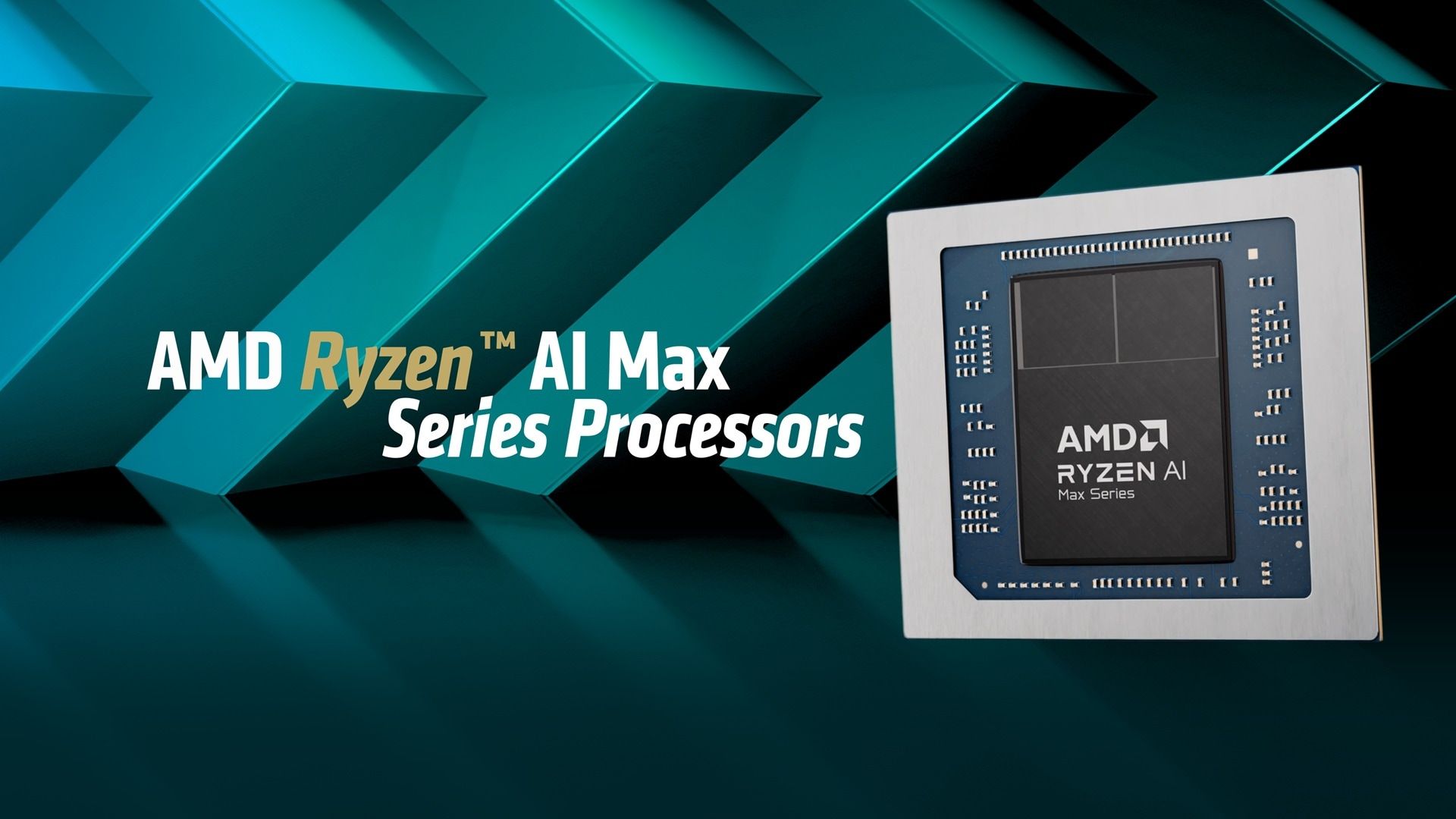
According to the report, Leadbetter described Sony as potentially having an “exclusive of sorts” on RDNA 5 for its future mobile device. He also reportedly referred to another AMD handheld processor known as Z3, which may not use RDNA 5. Neither chip has been publicly detailed by AMD.
The wording matters. “Exclusive of sorts” is not the same as AMD agreeing never to sell RDNA 5 technology to another handheld manufacturer. It could mean Sony is the only customer currently funding a dedicated semi-custom design, the only company with the required order volume, or simply the first partner expected to ship one.
No contract, production order or engineering document has been published to establish which interpretation is correct. The safest conclusion is therefore narrow: a well-connected technical publication has reported discussions about a possible Sony advantage, but the commercial terms and the hardware itself remain unverified.
Why Scale Could Create Effective Exclusivity
Semi-custom chips are expensive long before a finished device reaches shops. A platform holder must help pay for architecture work, physical design, validation, software tools, manufacturing preparation and years of support. AMD has to judge whether the expected order is large enough to justify dedicating engineers and production capacity to that programme.
Sony enters those discussions with a large ecosystem. In its June 2026 Game & Network Services briefing, the company reported more than 93 million PS5 units and 125 million monthly active accounts as of March 2026. Those figures do not prove demand for a handheld, but they show the potential audience behind a PlayStation hardware order.
That could produce effective exclusivity without a permanent contractual lockout. Sony might receive a bespoke RDNA 5 design first, while PC-handheld makers wait for a standard AMD APU that can be sold across several brands. A timing and volume advantage could matter for a launch window even if competing RDNA 5 handhelds appear later.
How This Changes the PS6 Handheld Picture
The broader PS6 Portable evidence already points towards a reported AMD design codenamed Canis. Circulating claims describe six CPU cores, 16 RDNA 5-class compute units, LPDDR5X memory and a portable power target. Every one of those details remains unconfirmed by Sony and AMD.
The new report does not authenticate that specification list. It adds a possible explanation for why Sony could obtain a bespoke architecture when smaller handheld vendors might not: PlayStation may be able to guarantee the scale AMD needs. It does not tell us the final clocks, memory capacity, screen resolution, storage design or battery life.
It also does not validate every name attached to the project. Our PS6 Jupiter handheld console rumours guide explains that Jupiter is an unconfirmed label, while Canis is the stronger reported codename. Neither has appeared in an official PlayStation product announcement.
Why RDNA 5 Could Matter More for Efficiency
A handheld architecture should be judged by the work it can complete inside a strict power and thermal envelope, not by desktop-GPU marketing numbers. AMD has not publicly released final RDNA 5 specifications, so claims about exact ray-tracing, artificial-intelligence or performance gains are premature.
The attraction of a new architecture is that Sony could spend its transistor budget on the functions a portable PlayStation needs most. That may include efficient graphics, fast image reconstruction, low-power media and display blocks, and a memory system designed around console-style workloads. Those are engineering possibilities, not confirmed Canis features.
Reconstruction will be especially important if the device renders internally below its display resolution. AMD is already developing a lighter FSR 4 model for handheld hardware, while Sony and AMD’s Project Amethyst work is shaping the wider PS6 graphics roadmap. A custom chip could support a PlayStation-specific route, but Sony has not named the software it would use.
What It Could Mean for Xbox and Steam Deck 2
Microsoft is reportedly targeting an Xbox handheld in late 2027 before the Project Helix home console in 2028, although the manufacturer and processor remain unsettled. The latest Project Helix timing report should not be read as proof that Microsoft has ordered a custom RDNA 5 chip.

If Sony is the only early customer funding a bespoke design, Microsoft could still use a standard AMD APU or work with a hardware partner. That would not automatically make an Xbox handheld slower. Power limits, cooling, memory, operating-system overhead and software integration can outweigh an architecture label when two devices are compared in real games.
Valve faces the same trade-off. A recent Steam Deck 2 engineering sample clue suggested a six-core AMD configuration with fast LPDDR5 memory, but it did not establish the GPU architecture or a retail product. Valve has also said it wants a meaningful efficiency leap rather than a routine specification increase.
What Sony Has Actually Confirmed
Sony has confirmed that it is investing in the next generation of the PlayStation platform and related content. In the same June briefing, Sony Interactive Entertainment said it wants to anticipate changing play habits and make the ecosystem accessible to a broader range of players.
The company also pointed to PlayStation Portal as a way to provide experiences beyond the living room. That statement supports a broader hardware strategy, but Portal is a remote-play and cloud-streaming device; it is not evidence that a native handheld has entered production.
Sony has not confirmed RDNA 5, Canis, Jupiter, local PS5 compatibility, docking, a 15–25W power target, 24GB of memory or a simultaneous PS6 launch. Project Amethyst confirms a deep graphics-research relationship with AMD, but it does not identify the processor inside an unannounced product.
The Evidence That Would Settle the Claim
The most decisive evidence would be a Sony product announcement or developer documentation describing native handheld hardware. An AMD architecture briefing could also confirm whether a semi-custom RDNA 5 design exists, while regulatory filings and credible supply-chain records could establish that manufacturing is approaching.
Until then, performance comparisons remain speculative. A custom architecture could give Sony better control over efficiency and compatibility, but developers would still need stable tools, realistic memory targets and clear performance profiles. Backward compatibility would require extensive software work even if the processor belongs to the same broad AMD family as PS5.
For now, the report strengthens the commercial case for Sony’s rumoured handheld without confirming the device. The potentially important development is not that PlayStation has “won” RDNA 5, but that Sony may be large enough to secure a dedicated design while competitors choose standard silicon. That distinction is plausible, strategically meaningful and still unproven.