Project Helix 2028 Launch and Xbox Handheld 2027 Reported
Microsoft’s next-generation Xbox plans may unfold in two stages. A new report says the company is targeting the 2027 holiday season for a next-generation handheld, followed by its Project Helix home console during the 2028 holidays.
The same reporting attaches a startling $1,200 to $1,800 consumer-cost projection to Helix if Microsoft does not subsidise the hardware. That range is not an announced price, a retail listing or a final bill of materials. It should be treated as an early internal projection reported by a reputable publication, not a promise about what players will pay.
The dates nevertheless add a potentially important structure to Microsoft’s already confirmed hardware strategy. Xbox has publicly committed to a portfolio spanning living-room consoles, handhelds, PC and cloud, while its AMD partnership covers a roadmap of gaming-focused chips. The new report suggests the portable part of that plan could reach consumers before the flagship home system.
What the New Report Claims
The Verge’s account of Fortune’s reporting says Microsoft is planning a next-generation Xbox handheld for holiday 2027 and a Project Helix console for holiday 2028. It does not establish whether the portable machine would be made directly by Microsoft or produced with a hardware partner such as Asus.
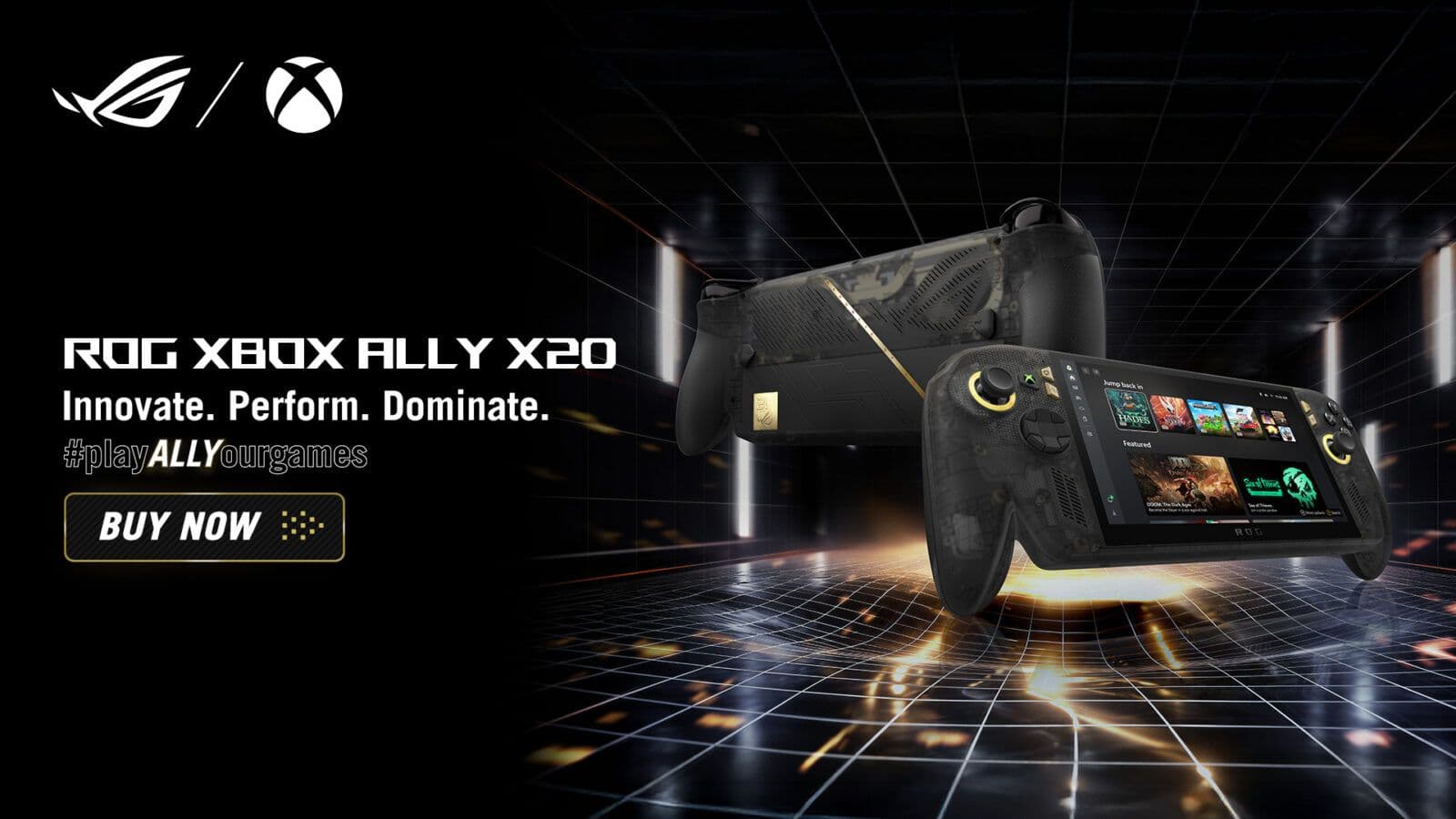
That distinction matters. The existing ROG Xbox Ally line is partner-built Windows hardware carrying a tailored Xbox experience, while Microsoft’s confirmed Helix programme centres on a first-party next-generation console. A future handheld could be another partner device, a Microsoft-designed machine or one member of the broader Project Helix family of devices. None of those possibilities has been formally selected in public.
The report also says the Windows and Xbox teams had disagreed about the software direction of the next console, with Xbox now controlling that direction. Microsoft has not publicly detailed this internal debate. Officially, it has said Helix will play Xbox console and PC games and that Xbox Mode is bringing a controller-focused interface directly into Windows.
What Microsoft Has Actually Confirmed
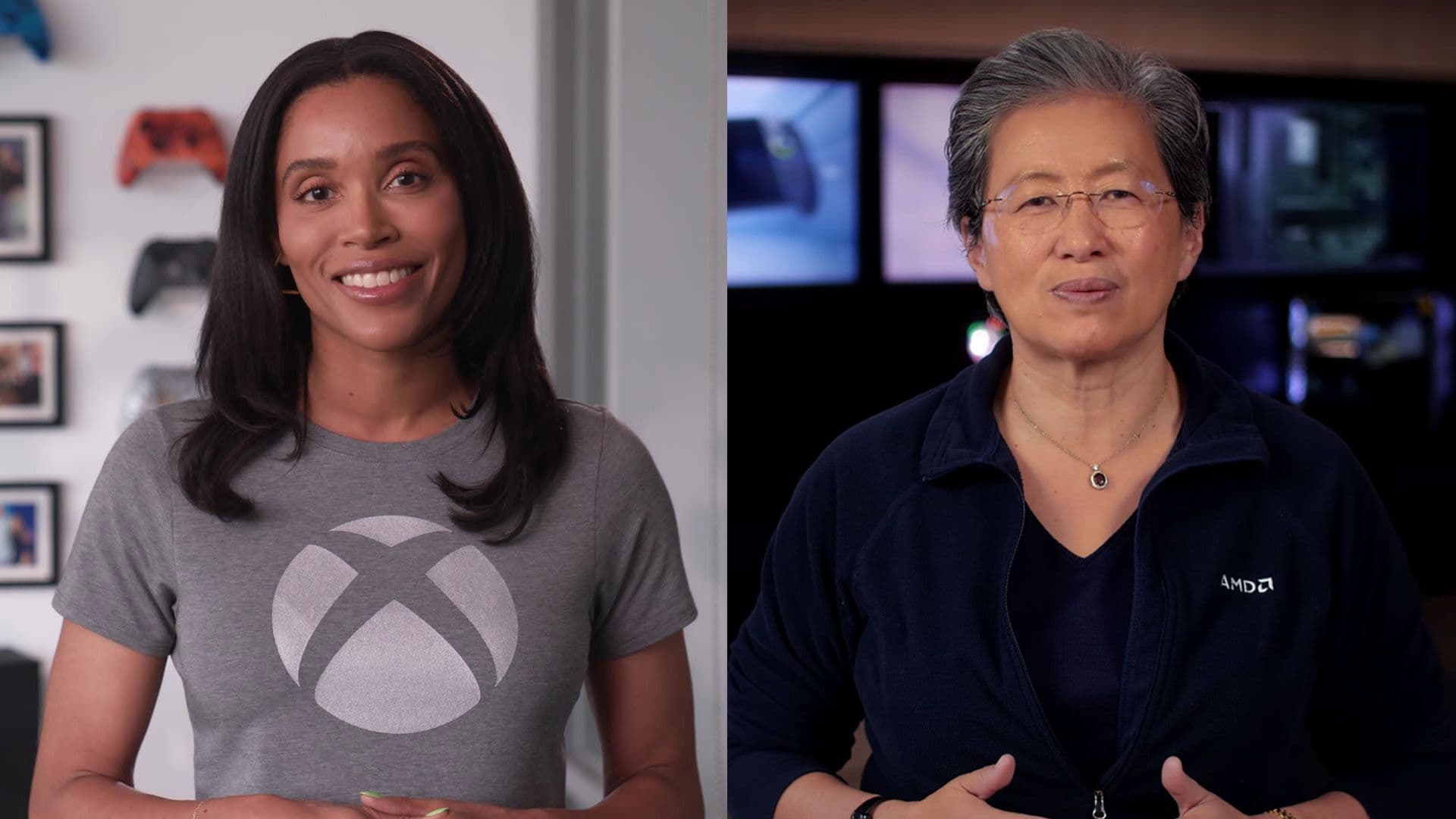
Microsoft’s public roadmap is broader than a single console. In June 2025, Xbox said it was building its next-generation line-up across console, handheld, PC, cloud and accessories. It also announced a strategic multi-year AMD partnership to co-engineer silicon across a portfolio of devices, including future first-party consoles and cloud systems.
AMD chief executive Lisa Su described a full roadmap of gaming-optimised Ryzen and Radeon chips for consoles, handhelds, PCs and cloud. That official language supports the idea that Microsoft is preparing several hardware formats, but it does not confirm the reported 2027 and 2028 release dates.
Microsoft later named its first-party console Project Helix. The company says the machine uses a custom AMD system-on-chip, is designed to run Xbox console and PC games, and targets a major improvement in ray tracing, graphics intelligence and efficiency. Alpha versions of the hardware are due to reach developers beginning in 2027.
Why a Handheld Could Launch First
A handheld arriving before the home console would let Microsoft develop the next Xbox experience in public without waiting for the flagship Helix silicon. The ROG Xbox Ally devices have already tested a full-screen, controller-friendly Windows interface, combined game libraries and an Xbox identity on partner-built portable PCs.
That makes a 2027 portable a plausible bridge. Microsoft could refine Xbox Mode, Play Anywhere, save synchronisation, handheld compatibility ratings and low-power graphics before the first-party living-room machine arrives. Developers would also gain practical experience scaling Xbox and PC releases for a smaller power envelope.
Plausible does not mean confirmed. The report does not provide the handheld’s screen, battery target, processor, memory, operating-system limits, price or manufacturer. It also does not establish whether the system will run every Xbox console game locally, use PC versions, rely partly on cloud streaming or combine those approaches.
How a 2028 Helix Launch Fits the Developer Roadmap
A late-2028 retail release would leave a substantial gap after alpha development hardware begins shipping in 2027. That is not inherently contradictory. Early units allow studios to validate engines, memory use, graphics features and compatibility long before a consumer specification is locked for mass production.
The extra time could be particularly useful for a machine expected to bridge Xbox and Windows software. Microsoft must make PC games behave reliably in a television-first environment while preserving console expectations around quick resume, controller navigation, updates, security, achievements and predictable performance.
PS6News has already examined how Microsoft is simplifying Xbox development. A longer developer runway could help those changes mature across home and portable targets, although the new dates remain reported plans rather than commitments. Microsoft can still revise the order or timing as hardware costs and software readiness change.
The $1,200 to $1,800 Figure Needs Context
The reported range is the most eye-catching part of the story and the easiest to misread. According to The Verge’s summary, Fortune says Microsoft currently projects that the regular next-generation Xbox could cost consumers between $1,200 and $1,800 unless the company subsidises it. No configuration, market, tax treatment or final retail strategy accompanies that figure.
At this stage, such a projection may represent a scenario rather than a chosen price. Memory, storage, cooling, packaging and semiconductor costs can change significantly before a 2028 launch. Microsoft could alter the specification, introduce multiple tiers, accept a lower hardware margin, bundle services or work with partner manufacturers at different price points.
Even so, the range reinforces the affordability problem already covered in our analysis of the PS6 and Xbox Helix memory crisis. A console-PC hybrid with premium silicon cannot be judged like a conventional subsidised box if Microsoft expects it to compete with gaming PCs while retaining console-style simplicity.
What This Means for PS6
If the reported sequence holds, Sony and Microsoft may not launch directly against each other with equivalent products. A 2027 Xbox handheld could compete first with Sony’s rumoured portable plans, while a 2028 Helix console could arrive after Sony has had more time to define—or even launch—the PS6.
The strategic contrast may matter more than headline specifications. Microsoft is openly building a broad device and Windows ecosystem. Sony’s public next-generation work is centred on its AMD collaboration and Project Amethyst graphics research, while the company has not announced a PS6 console, handheld or release date.
Our PS6 versus Xbox Magnus specs comparison remains the place to track technical claims, but this report is primarily about timing and product structure. A handheld-first Xbox strategy would ask players to buy into the ecosystem before the flagship home hardware is ready.
What to Watch Next
The strongest confirmation would come from Microsoft naming the handheld, identifying its manufacturer and explaining whether it is first-party hardware. Regulatory filings, developer documentation or an official AMD chip announcement could then establish whether it shares technology with Project Helix.
For the home console, watch for Microsoft to clarify whether 2027 alpha hardware is representative of the final machine, when production hardware reaches studios and how Xbox console and PC games will be packaged. A real retail price will require a final specification and launch plan; the current $1,200 to $1,800 range is far too early to treat as settled.
For now, the responsible conclusion is narrow: reputable reporting points to a 2027 Xbox handheld followed by Project Helix in 2028, while Microsoft’s official AMD partnership makes a multi-device roadmap credible. The dates, price range and handheld design remain unconfirmed.