PS6 Development Is On Schedule, Sony CFO Confirms
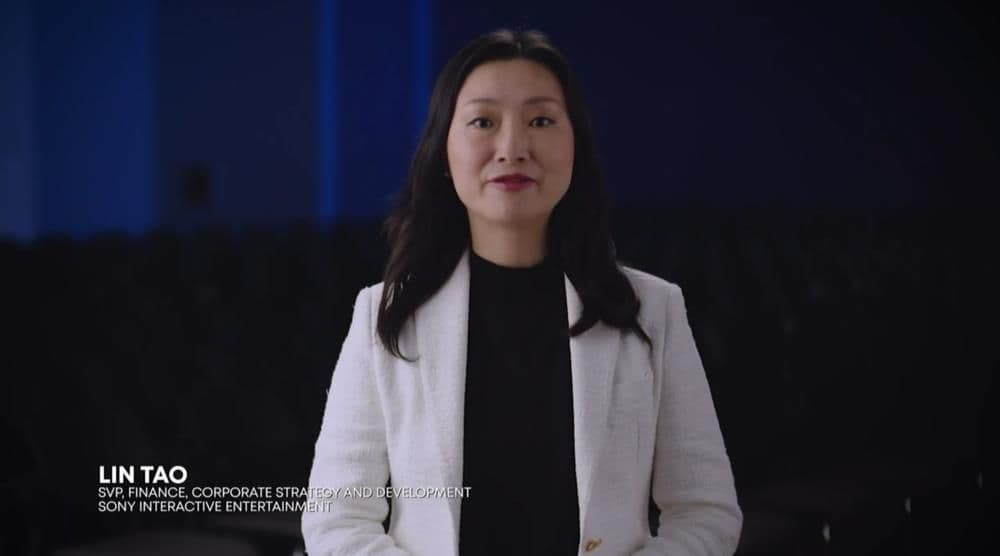
Sony has given its clearest official progress update yet on the hardware widely expected to become PlayStation 6. During the company’s 5 November 2026 financial briefing, chief financial officer Lin Tao said research and development for Sony’s “next-generation platform” is progressing as scheduled.
That is meaningful because it comes directly from the executive responsible for Sony’s financial planning, rather than from a supply-chain leak or hardware rumour. It does not, however, reveal what Sony’s internal schedule actually is. The company still has not announced the PS6 name, launch window, specifications, price or design.
For readers following our PS6 release-date guide, the important distinction is simple: Sony has confirmed orderly progress, not a public date. Any claim that this statement proves a 2027 or 2028 launch goes beyond the evidence.
What Sony Confirmed on 5 November
In Sony’s official FY2026 second-quarter remarks, Tao said the company intends to make solid progress in preparing for the next-generation platform during its next financial year. Sony’s financial year begins in April, so that points to a larger preparation phase from April 2027.
During the question-and-answer session, Tao went further. As reported by GamesRadar, she said the research and development work is progressing as scheduled and that development itself is on schedule.
Sony deliberately used “next-generation platform”, not PlayStation 6. PS6 remains the logical industry shorthand for the successor to PS5, but it is not yet an announced product name. The wording also leaves open whether Sony is preparing one console, a family of devices or a broader platform strategy.
Why ‘On Schedule’ Matters
Official confirmation of schedule discipline is valuable at a point when component costs, memory availability and ambitious chip designs could all affect console plans. It tells us Sony has not publicly acknowledged a development setback, even as the company balances the mature PS5 business with investment in what comes next.
The statement should not be read as proof that production has begun or that final silicon has been approved. Reports about chip tape-outs and codenames remain separate, unconfirmed claims; our PS6 Helix chip report explains why reaching a silicon milestone would still leave validation, software and manufacturing work ahead.
Likewise, “on schedule” does not disclose the schedule. Sony could be working towards internal engineering samples, developer kits, a reveal event or commercial production. The company has not said which milestone comes next.
Investment Moves Into Sony’s Next Financial Year
Tao said investment in the new platform will continue from Sony’s next financial year onward. That is consistent with a console project moving from research into more expensive engineering, software, tooling and partner work, although Sony did not break down the budget or identify individual programmes.
Some investment timing is also moving into the next year. This is best treated as an accounting and planning update, not evidence of a launch delay. Costs can move between reporting periods for many reasons, including supplier schedules, engineering milestones and when contracted work is recognised.
Sony also stressed that it must invest rationally while protecting the health of the existing platform. That balance matters: a new console needs substantial funding long before it produces revenue, while PlayStation’s current users and services continue to finance the transition.
PS5 Is Funding the Transition
Sony said PS5 unit sales are gradually declining as expected for this stage of the console cycle, yet described the wider PlayStation platform as stable and continuing to grow. That combination is typical of a mature generation: fewer new consoles are sold each year, but software, subscriptions and a large active audience can keep the platform commercially strong.

That gives Sony room to prepare its successor without treating the PS5 as an abandoned platform. Backward compatibility will be central to preserving that audience, which is why our PS6 backward-compatibility guide separates what Sony supports today from what remains unconfirmed for the next console.
The current business also gives Sony a strong incentive to avoid a disruptive transition. A successor that carries accounts, purchases, saves and supported accessories forward would reduce friction, but Sony has not yet committed publicly to the exact compatibility policy.
Memory Supply Is Still a Separate Question
During the same briefing, Tao said Sony had aligned with suppliers on the quantity of memory needed for its projected hardware sales in the next financial year. That is reassuring for PlayStation’s near-term hardware plan, but it should not be turned into a claim that PS6 memory supply is fully secured.
Sony did not specify which devices are covered by those projections, nor did it disclose memory type, capacity or pricing for a next-generation console. Our analysis of the PS6 and Xbox Helix memory challenge explains why capacity and cost could influence launch timing, price and availability across both platforms.
Reported PS6 RAM figures therefore remain rumours. The only safe conclusion from today’s statement is that Sony is actively managing memory procurement while next-generation development remains on its internal schedule.
What This Means for 2027 and 2028 Rumours
The progress update is compatible with either a late-2027 or 2028 launch theory, but it confirms neither. A heavy investment phase beginning in April 2027 could precede a launch later that year, or it could support final development and production preparation for 2028.
Console schedules can also change after development is described as on track. Component pricing, manufacturing yields, software readiness, competitor plans and Sony’s own commercial targets can all affect when a finished product reaches shops.
The best evidence remains Sony’s wording: preparation will advance, investment will rise and development is on schedule. Until the company names a date, more precise claims should continue to be labelled as leaks, estimates or inference.
What Sony Still Has Not Announced
Sony has not announced the console’s processor, graphics architecture, memory, storage, optical-drive policy, controller, industrial design or price. It has also not confirmed whether a portable device will launch alongside the main console. Reported specifications belong in rumour coverage, not in Sony’s official statement.
For the graphics side, Sony and AMD’s publicly discussed research gives us useful direction without defining a retail machine. Our PS6 graphics guide covers the confirmed research and clearly separates it from speculative performance targets.
The 5 November update is still significant: Sony has now told investors that its next-generation platform is on schedule and important enough to receive increasing investment. The next genuinely decisive step will be an official product announcement, developer-facing technical disclosure or dated launch plan.