PS6 News This Week: Sony Schedule and New Patents
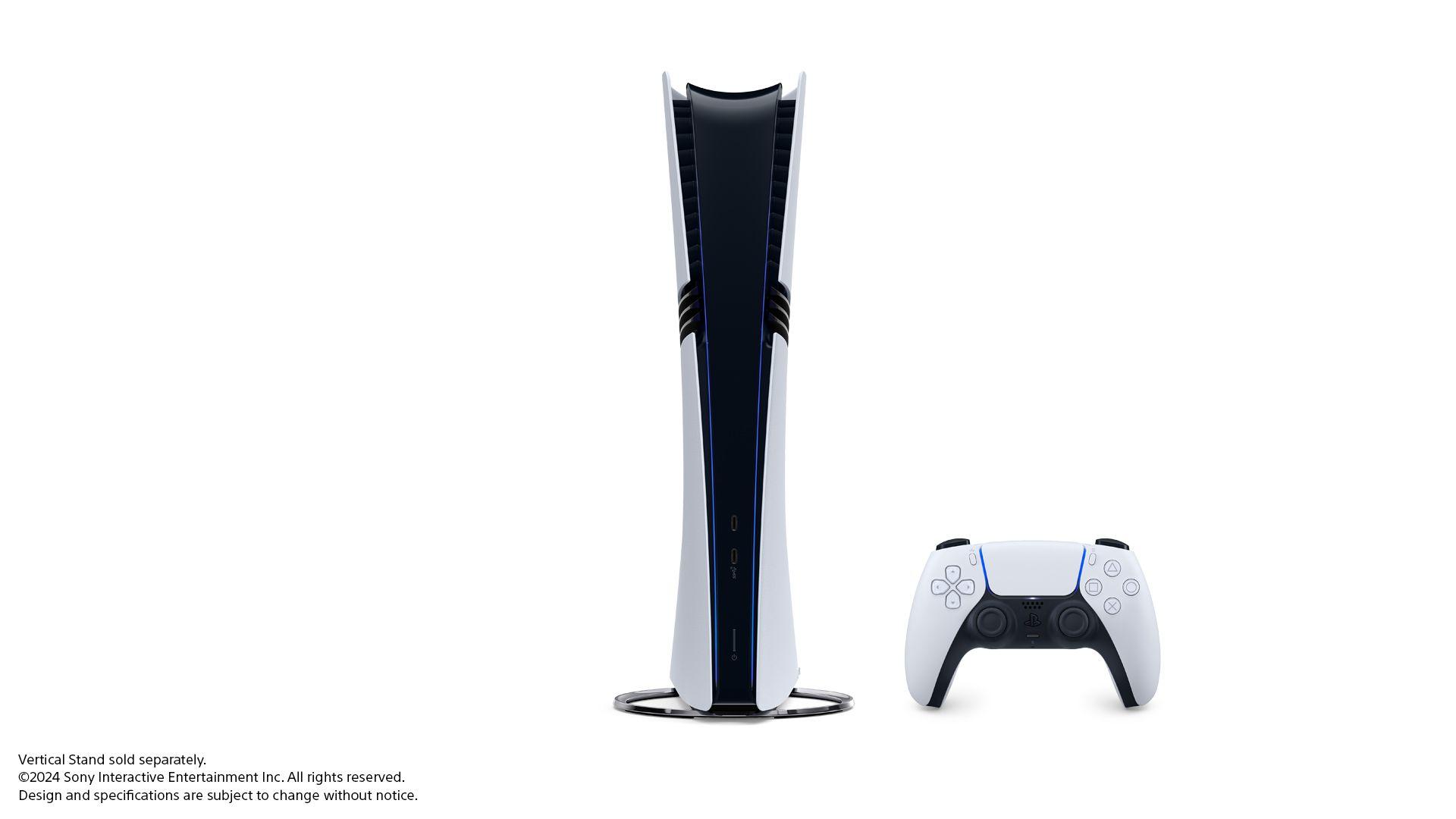
The biggest PlayStation 6 development this week was not a specification leak or a surprise hardware reveal. It was Sony’s clearest recent business update on the programme itself: the company says work on its next-generation platform remains on schedule and that preparation will require higher investment in the next financial year.
Alongside that official signal, three Sony patent stories added detail to the technologies the company is exploring around future gaming hardware and platform software. They range from graphics-data efficiency and adaptive controller mechanisms to a system that could compare the way different accounts use a controller. None of those documents confirms a PS6 feature, but together they give a more useful picture than another round of unsupported specification claims.
Sony Says Next-Generation Development Is On Schedule
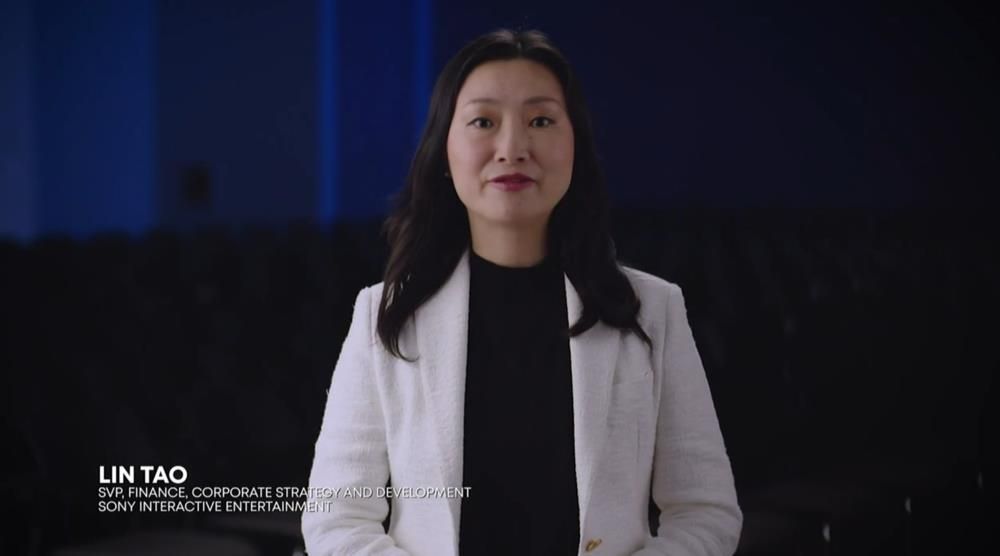
Sony Group chief financial officer Lin Tao provided the week’s most important confirmed update during the company’s financial briefing on 5 November. Discussing research and development spending, Tao said development of the next-generation platform is proceeding according to schedule. Our full report explains what Sony’s PS6 schedule statement does—and does not—confirm.
The wording matters. Sony referred to a “next-generation platform”, not to a product formally named PlayStation 6. It did not disclose the internal schedule, a launch window, hardware specifications, price or final industrial design. “On schedule” therefore confirms programme progress without telling the public what the schedule actually is.
Sony also indicated that preparation for the platform will contribute to higher research and development investment in the next financial year. The official Sony earnings speech transcript is the primary source. The most defensible conclusion is that Sony’s next-generation work has moved beyond a vague long-term ambition and remains an active, budgeted programme.
A New Patent Targets Smurfing and Skill Estimation
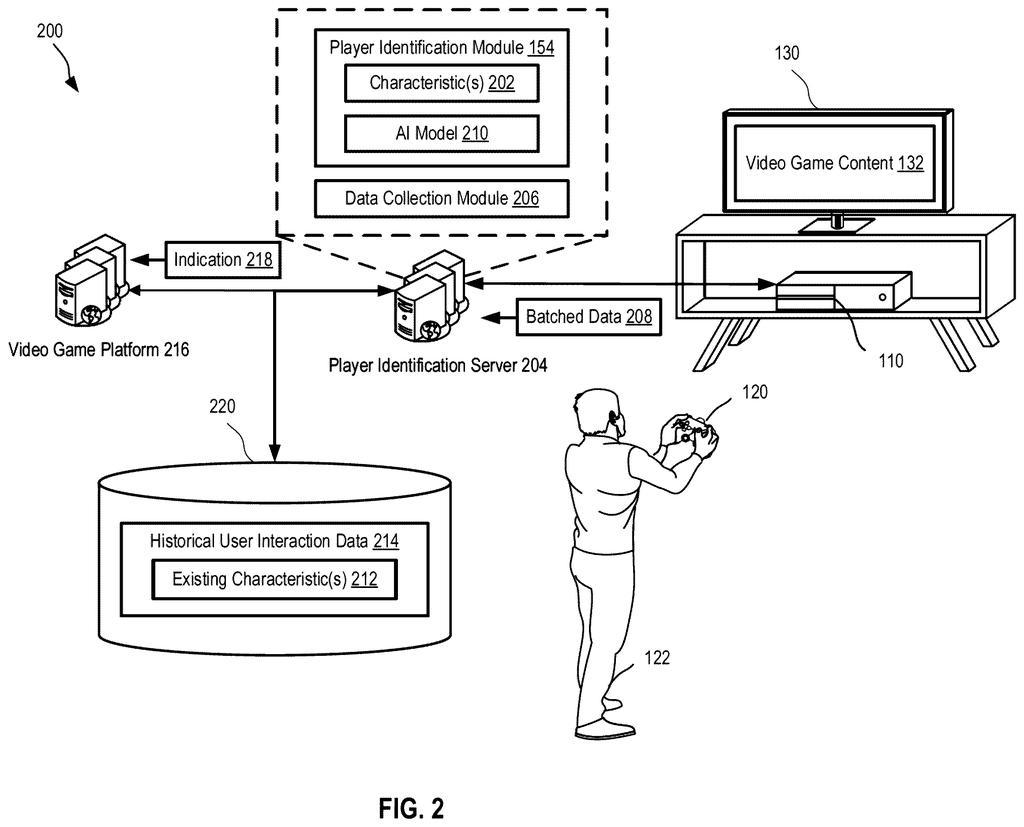
The most unusual Sony patent application covered this week concerns player identification rather than raw hardware performance. It describes analysing patterns in controller input—such as movement, timing and other behavioural characteristics—to judge whether two accounts may be controlled by the same person. That could help a service identify “smurfing”, where an experienced player uses a lower-ranked account to face less-skilled opponents.
The application also explores estimating a player’s skill from those behavioural signals. In theory, that could give matchmaking systems another source of evidence beyond an account’s visible rank or win-loss record. Our detailed breakdown of the PlayStation controller-habits and anti-smurfing patent explains the proposed process and its limitations.
This is an application, not an announced PlayStation Network feature. The published USPTO document establishes what Sony has sought to protect, but it does not show that the system is running on PS5 or destined for PS6. Any deployment would also raise practical questions about false positives, transparency, privacy and how an affected player could challenge a decision.
Two Hardware Patents Filled Out the Week
Sony’s graphics research supplied the strongest connection to the PS6 graphics conversation. A patent examined storing BC7 texture information more efficiently by avoiding redundant data and reconstructing what is needed later. The potential attraction is straightforward: modern games devote large amounts of storage and memory bandwidth to textures, so even modest savings could help installation sizes, data movement or memory pressure.
Our report on the PS6 graphics texture-compression patent separates the document’s technical proposal from speculation about a future console. It does not establish PS6 storage capacity, memory bandwidth or a new proprietary texture format. It is better understood as evidence that Sony continues to investigate the less glamorous efficiency work that can matter as visual assets grow.
A separate motorised thumbstick patent described mechanisms that could alter a stick’s position or resistance. That could support stronger physical feedback or different control profiles, but Sony has announced no product based on it. As with the texture work, the patent is a research signal rather than a DualSense 2 specification sheet.
What the Week Says About PS6
Taken together, the stories show three different layers of future-platform development. Sony’s finance briefing confirms the corporate programme and investment. The controller-behaviour application looks at network integrity and matchmaking. The graphics and thumbstick patents explore hardware efficiency and input design. A next-generation platform is not a single chip project; it is a stack of hardware, operating-system, service and accessory decisions.
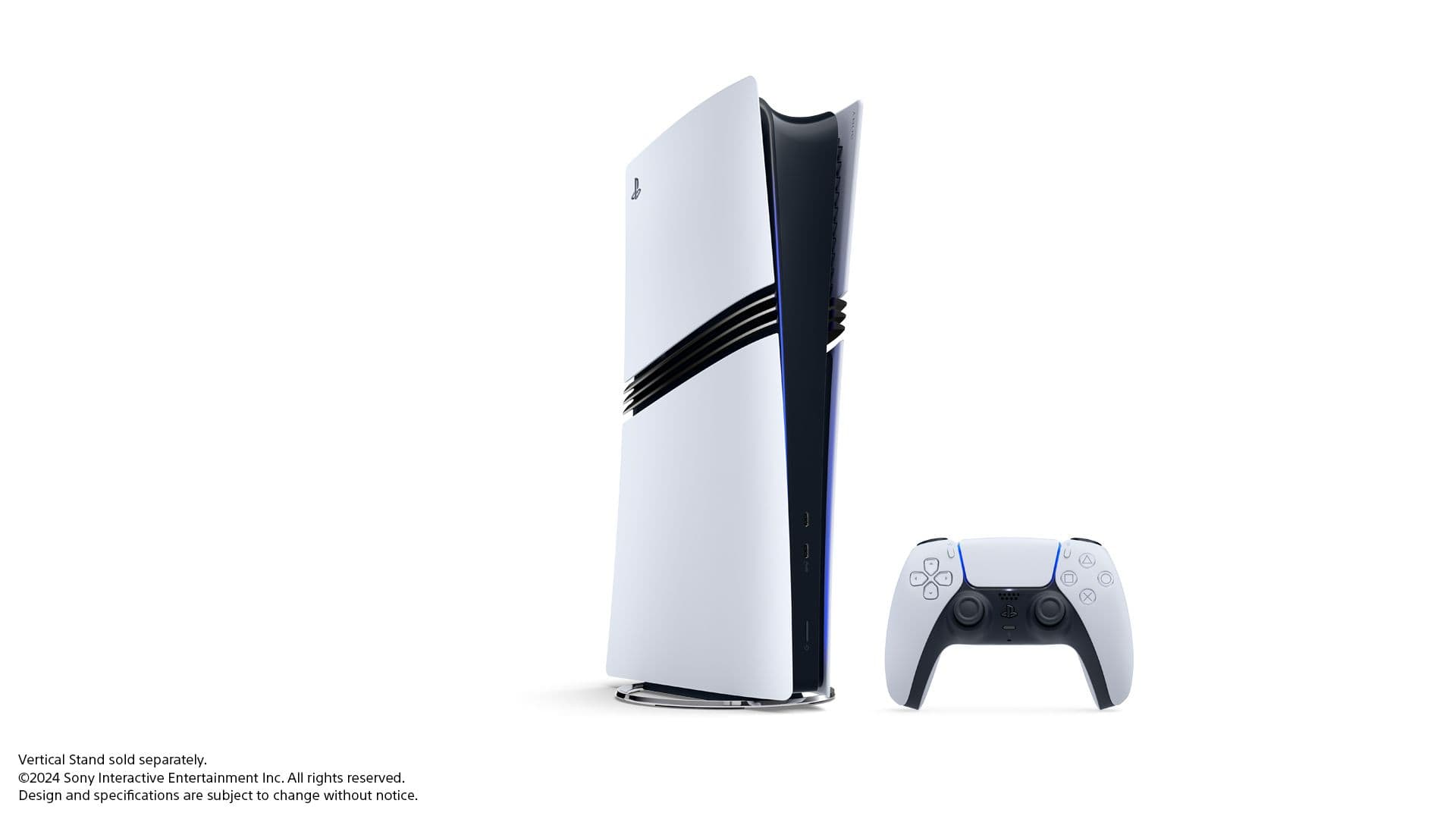
The pattern also explains why isolated teraflop or memory rumours rarely tell the full story. Graphics quality depends on architecture, software tools, upscaling, asset handling and developer support as much as one headline number. Controller features only matter if they are reliable, affordable and well supported. Platform-level moderation technology must be accurate enough to earn players’ trust.
The clearest fact remains the simplest one: Sony says next-generation development is on schedule. Everything more specific—including a 2027 or 2028 launch, Zen 6 CPU configuration, RDNA-derived GPU design or exact handheld relationship—remains unconfirmed unless Sony says otherwise.
Xbox Helix and Handheld Reports Did Not Move
There was no comparable first-party Xbox hardware announcement during the review window. Microsoft’s previously stated strategy still points to a next-generation portfolio built with AMD and designed around multiple devices and Windows integration, while reports continue to use names such as Project Helix and Magnus. Those labels and detailed specifications are not all officially confirmed product names.
Readers comparing the two roadmaps can revisit our coverage of the reported Project Helix launch and Xbox handheld timing. The useful distinction remains between Microsoft’s confirmed multi-year AMD partnership and reported device details. No new evidence this week justified rewriting that boundary.
The same restraint applies to PS6 Jupiter handheld console rumours. Reports about a companion PlayStation handheld remain relevant to Sony’s future-hardware strategy, but Sony has not announced a product called Jupiter. A quiet week is not confirmation that a rumour is true, false, delayed or cancelled.
Confirmed, Reported and Still Unknown
Confirmed: Sony is developing a next-generation platform, says the work is on schedule and expects preparation to affect future research and development spending. Confirmed as published documents: Sony has sought protection for ideas involving controller-behaviour analysis, texture-data efficiency and motorised thumbstick mechanisms.
Reported but not confirmed by Sony: the PS6 name, a launch year, specific AMD CPU and GPU architecture, memory configuration, price, backward-compatibility scope and a companion handheld. Patent language should not be moved into the confirmed column simply because it is official paperwork; companies patent more ideas than they commercialise.
This distinction is especially important for any PS6 Xbox Magnus specs comparison. Microsoft and Sony have confirmed broad next-generation work and AMD relationships, but neither has supplied the complete retail specifications needed for a definitive head-to-head table. Numbers circulating online should be treated as claims with identifiable sourcing, not settled specifications.
What to Watch Next Week
The next meaningful signal could come from another investor briefing, a first-party engineering presentation, an AMD roadmap update or a regulatory filing. Those sources can establish programme timing, technology partnerships and investment direction even before a console manufacturer is ready to reveal a product.
Patent publications will remain worth monitoring when they connect directly to graphics, backward compatibility, storage, input or platform services. They are most useful when read narrowly: as evidence of a technical problem Sony has considered, not proof of a PS6 feature.
For now, the week ends with one firm roadmap update and three research clues. Sony’s programme is moving, its engineers are exploring both hardware and service-level ideas, and the public specification sheet is still missing.