PS6 Patent Could Detect Smurfs From Controller Habits
Sony Interactive Entertainment has published a patent application for identifying when separate gaming accounts may be controlled by the same person. Instead of relying only on usernames, email addresses or hardware identifiers, the proposed system analyses how a player interacts with games and the wider platform.
That could help detect “smurfing”, where an experienced player creates a fresh account to enter lower-ranked matches. It could also support faster skill estimates, fraud investigations and account-security checks. The filing is relevant to future PlayStation platform design, but Sony does not name PlayStation 6 and has not announced the technology as a commercial feature.
Application US 2026/0346147 A1 was published on 5 November 2026. It is a pending application rather than a granted patent, and even an eventual patent would not guarantee implementation on PS5, PS6 or any handheld PlayStation.
What Sony Filed
The application was filed on 30 April 2025 and lists Sony Interactive Entertainment as the applicant. The named inventors are Christopher Fife, Dustin Clingman, Bob Jordan, Adrian Harris and Chris Thielbar, while the published document contains 20 claims.
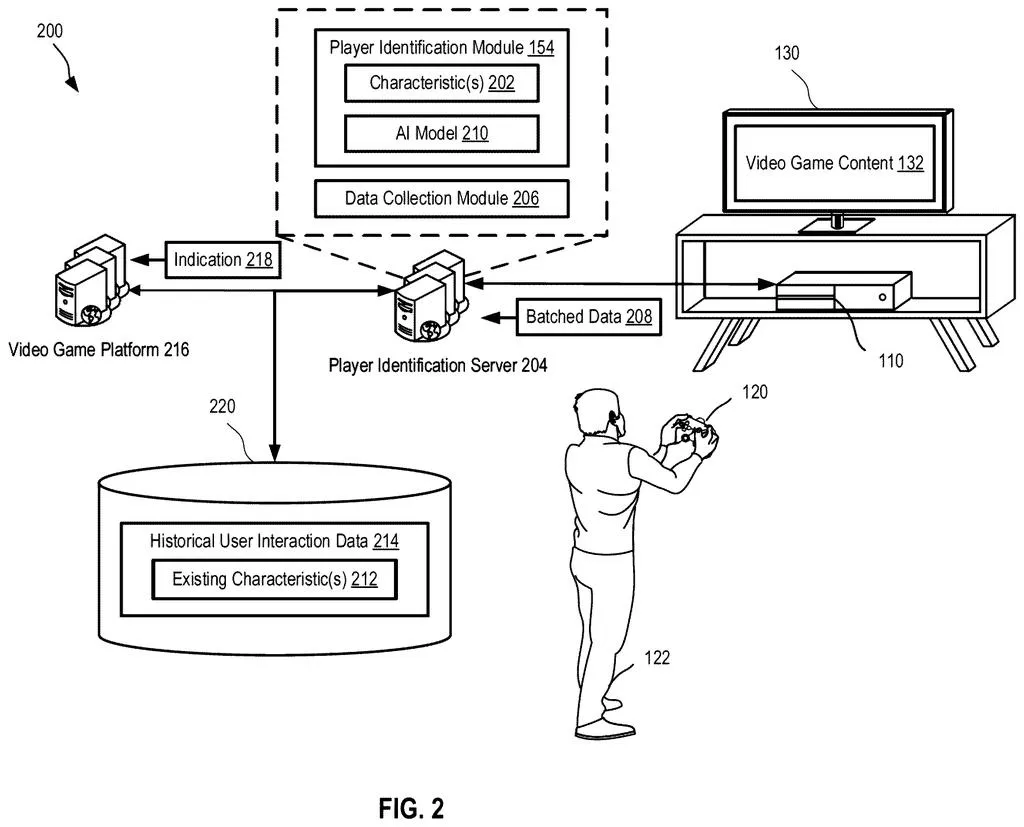
The official USPTO publication describes receiving interaction data associated with one player account, extracting characteristics from that data and comparing them with characteristics linked to another account. If the patterns match closely enough, the system can provide an indication that the accounts may be related.
The fresh publication date makes this a timely record of Sony’s platform research. It does not mean the concept was invented this week, approved for a product or built into finished PS6 software. Our report on Sony’s cross-platform invitation patent explains the same important distinction between protected research and an announced console feature.
How Controller Habits Become a Behavioural Profile
Sony’s design can examine input timing and repeated behaviour rather than a single button press. Relevant characteristics may include how long buttons are held, the delay between inputs, common command sequences and the route a user takes through platform or game menus.
A machine-learning model can turn those interactions into a set of characteristics associated with an account. New data is then compared with stored profiles using a similarity measure. Crossing a configured threshold can generate an indication that two accounts are being operated by the same player.
The description is broader than analysing a DualSense controller during one game. Data can be collected while a person plays, navigates the platform, changes settings or interacts with other services. That breadth could make matching more resilient, but it also increases the privacy and governance questions a real implementation would need to answer.
Why Smurfing Is the Obvious Use Case
Competitive matchmaking normally needs time to learn that a new account belongs to an expert player. Until the rating catches up, that person can be placed against genuine newcomers. Sony’s system could compare the new account’s behaviour with established profiles and flag a likely relationship earlier.
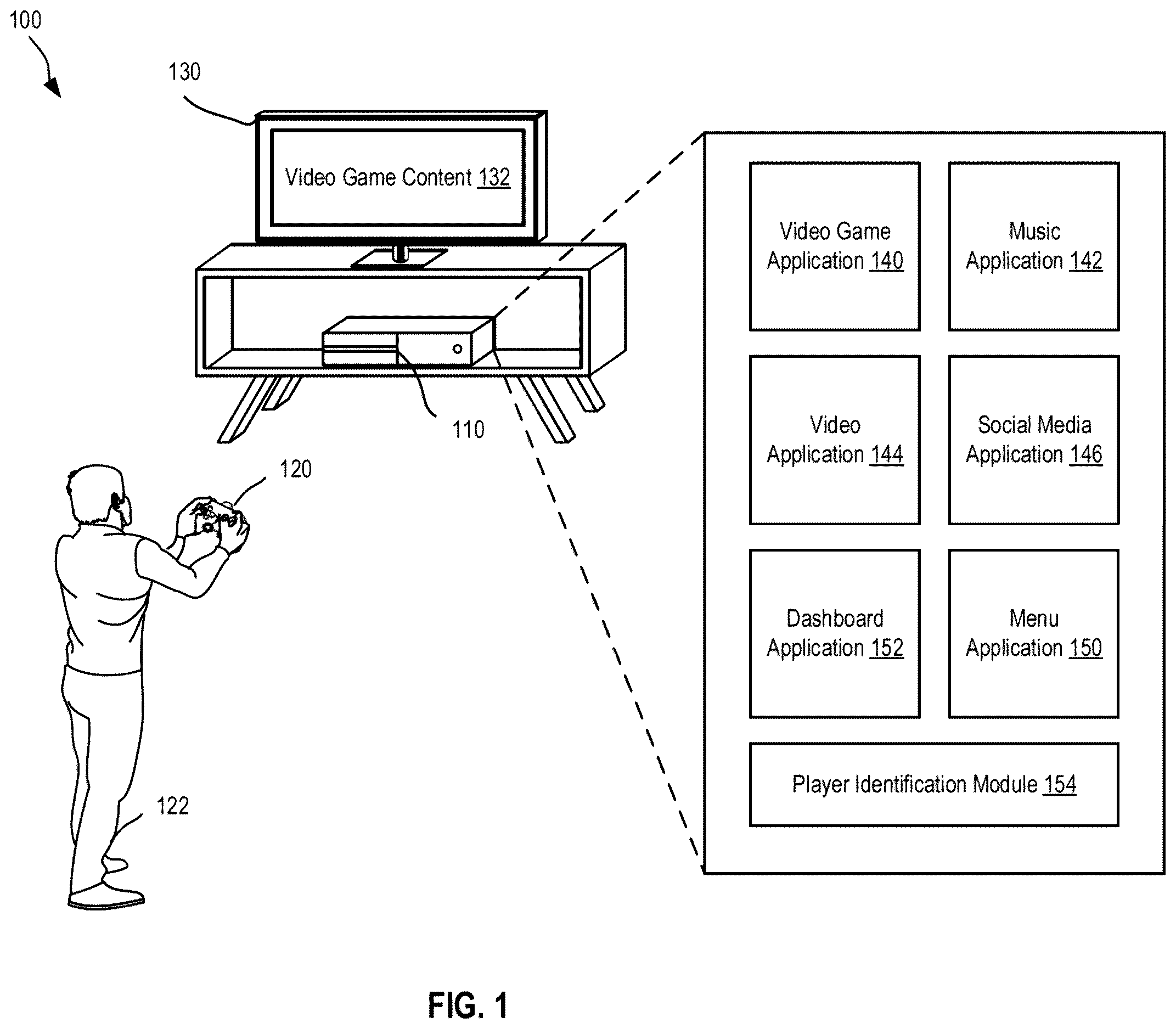
Patentlyze’s analysis notes that the filing also describes alerts for developers or a platform fraud team. Possible responses discussed in the document include restricting access to ranked modes or taking action against linked accounts, although Sony has not announced an enforcement policy.
Matching two accounts is not the same as proving misconduct. Players may create alternate profiles for legitimate reasons, while families can share hardware and controllers. A responsible commercial system would need to distinguish a suspicious secondary account from ordinary household use.
The Patent Also Targets Skill Estimation
The application goes beyond account matching by describing a model that estimates skill from interaction patterns. It can compare a player’s behaviour with historical data from users whose ability is already known, then produce a recommended skill level for matchmaking.
That could shorten the period in which a highly skilled newcomer is placed into unsuitable lobbies. The system can also identify unusual data, such as deliberately poor performances, so that attempts to lower a rating do not distort the longer-term profile.
Sony does not provide public accuracy results, supported games or a universal definition of skill. Fighting games, shooters, racing games and team strategy titles all reward different behaviour, so any practical model would need game-specific training and regular testing.
Privacy and False Positives Are the Hard Part
Behavioural input can function like a persistent fingerprint. Unlike an account name, a player may not be able to change the rhythm of every button press or menu choice easily. Linking that profile across accounts would therefore require clear rules covering consent, retention, access and appeals.
The filing discusses databases and region-aware data handling, but a patent is not a privacy policy. It does not tell players how long information would be retained, whether matching could be disabled, what evidence would be shown during an appeal or whether an automated match could trigger punishment on its own.
False positives are another risk. Siblings, friends using the same console, accessibility tools and changes in a player’s physical ability could all alter or blur behavioural patterns. The application establishes a technical method; it does not establish that the method is accurate enough for bans.
Why This Fits Sony’s PS6 Platform Research
Sony has now confirmed that its next-generation platform development is progressing on schedule, as covered in our PS6 development update. A new generation needs more than faster graphics: identity, matchmaking, moderation, fraud control and account continuity all influence whether its online ecosystem works.
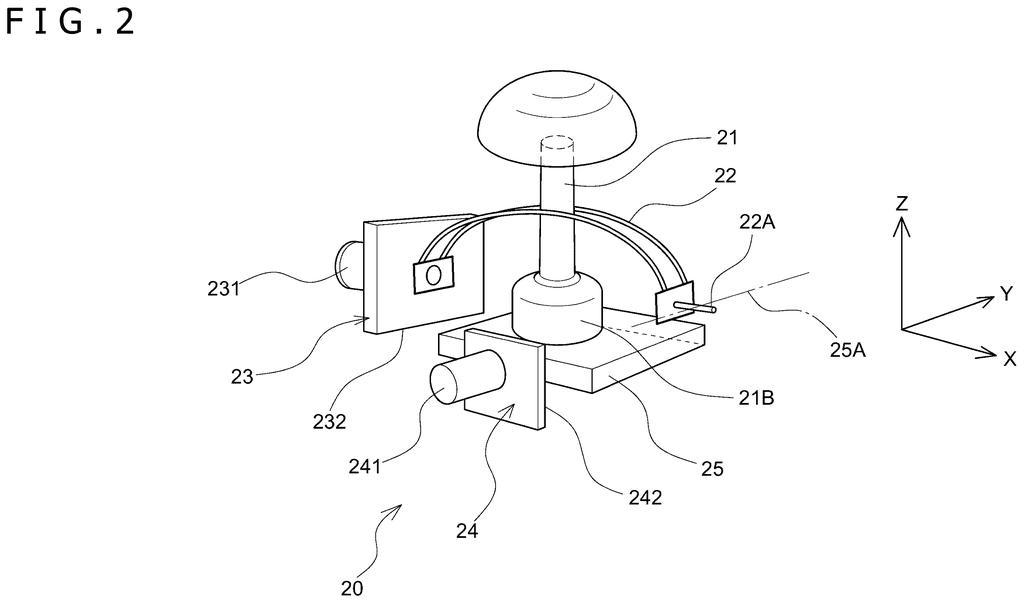
This application complements other Sony research without proving that the projects will ship together. The company’s motorised-thumbstick patent explores physical controller feedback, while its frame-generation work uses controller input for a very different graphics problem. Here, the controller becomes a source of behavioural identity data.
The method could theoretically run on existing consoles or cloud servers without dedicated PS6 hardware. That means a current-generation test would be possible before a new console launches, but no such trial, developer programme or PlayStation Network rollout has been announced.
What the Patent Does Not Confirm
The application does not confirm that PS6 will monitor every button press to identify players. It does not reveal a PS6 operating system, account policy, controller specification, launch date or subscription requirement. It also does not prove that Sony intends to ban alternate accounts automatically.
Patent applications frequently protect options that are revised, licensed or never commercialised. This document is useful because it shows a detailed direction Sony has investigated: using machine learning to connect player behaviour, identity and skill across accounts.
The next meaningful evidence would be PlayStation developer documentation, a privacy-policy change, a matchmaking test, an account-enforcement announcement or a shipping game that discloses behavioural matching. Until then, this should be treated as verified Sony research with possible PS6-era relevance—not a confirmed PS6 feature.