PS6 News This Week: Helix, FSR 4.1 and Handheld Chips
The most important PS6 and next-generation gaming stories this week did not produce a finished console specification sheet. They revealed something more useful: the timing pressures, graphics techniques and portable-chip experiments that could shape the next hardware cycle.
Sony’s research explored controller-assisted frame generation, Microsoft’s reported roadmap placed a handheld before Project Helix, AMD brought a more efficient FSR 4.1 model to Xbox and portable processors, and a six-core engineering sample offered a possible glimpse of the Steam Deck 2 era. Every story contains a different level of certainty, so this roundup separates official announcements from reports, patents and inference.
The Week Moved From Specifications to Strategy
Recent PS6 discussion has often centred on alleged compute-unit counts, teraflops and memory capacity. This week’s evidence pointed instead towards the systems surrounding those components: when hardware reaches developers, how generated frames might respond to player input, how one upscaling model can scale across several devices and what a viable portable memory configuration may look like.
That shift matters because Sony and Microsoft are designing platforms, not isolated boxes. A successful generation needs compatible software, mature development tools, dependable backward compatibility and hardware that can be manufactured at a price players will accept. The raw chip still matters, but it is only one part of the decision.
Sony’s Patent Connects Frame Generation to Controller Input
On 19 October, PS6News examined a newly published continuation patent from Sony Interactive Entertainment covering “Generation Super Sampling”. The filing describes ways to use game-state information and player-control input when predicting additional frames, rather than relying only on neighbouring rendered images.
The potential advantage is responsiveness. Conventional frame generation can make motion look smoother, but the inserted image is based on information that is already slightly old. If a system knows that the player has just moved a stick or pressed a button, it may be able to anticipate the next visual state more accurately and reduce visible mismatch.
The full PS6 controller-assisted frame-generation report explains the mechanism and its limitations. A patent proves that Sony has protected an idea; it does not prove that PS6 will ship with the feature, that it will be called PSSR 3.0 or that every game will support it.
Project Helix Is Reportedly Targeting Late 2028
The week’s biggest platform report arrived on 21 October. Fortune reporting, subsequently covered by The Verge, pointed to a next-generation Xbox handheld for the 2027 holiday season and the Project Helix home console for late 2028. It also cited an extraordinary internal consumer-cost projection of $1,200 to $1,800 unless Microsoft subsidises the machine.
Those figures remain unconfirmed. Microsoft has publicly named Project Helix, confirmed a custom AMD system-on-chip and said alpha hardware will begin reaching developers in 2027. The company’s official GDC roadmap also promises Xbox and PC game support, a major ray-tracing leap and continued playability across four Xbox generations. It does not announce a retail date or price.
Our detailed Project Helix launch and handheld report examines the timeline, affordability problem and reported Windows-versus-Xbox software disagreement. A handheld launching first would let Microsoft refine its controller-focused Windows experience before asking mainstream buyers to accept a much more ambitious console-PC hybrid.
AMD’s FSR 4.1 Gives Helix a Real Graphics Preview
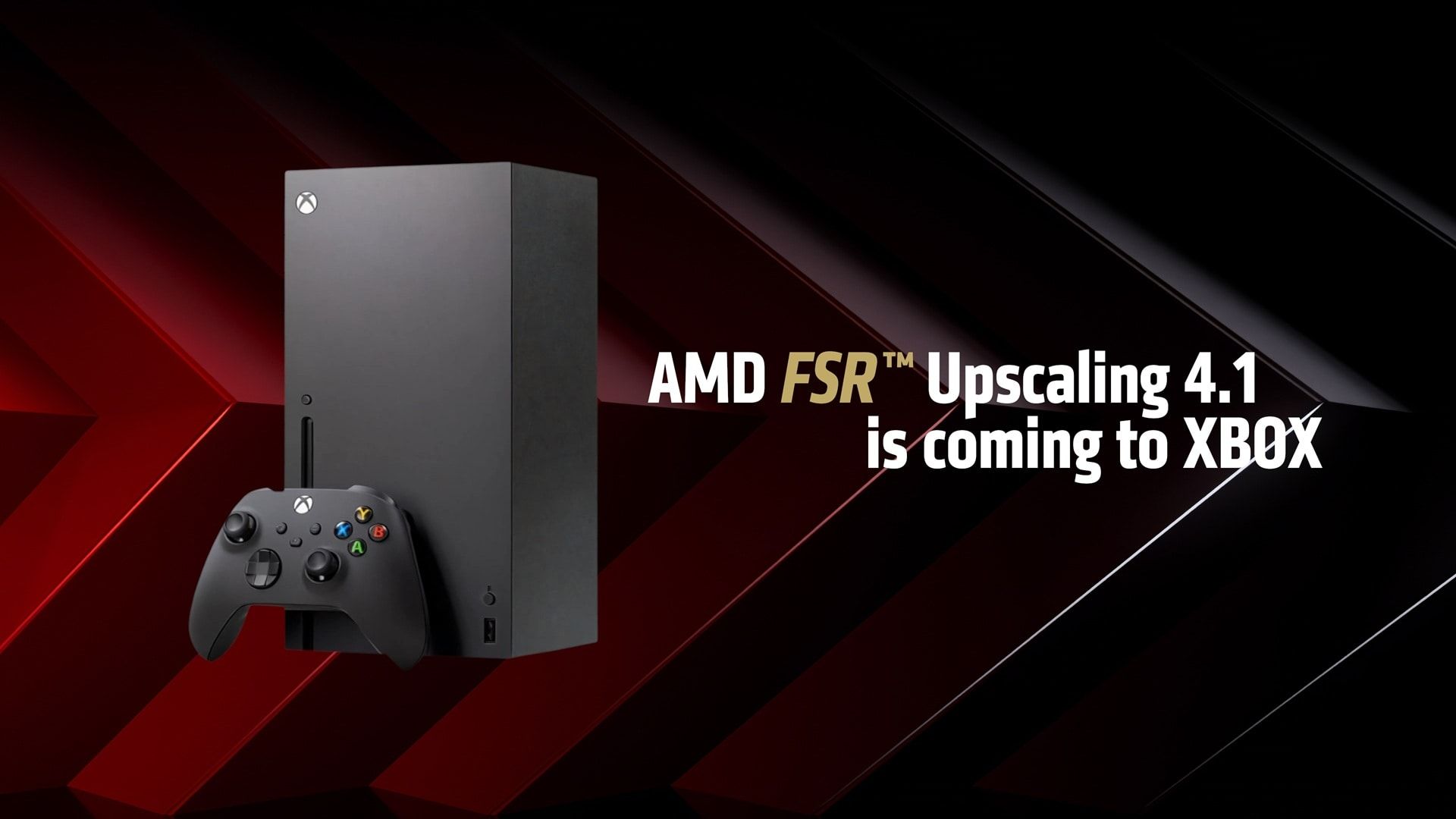
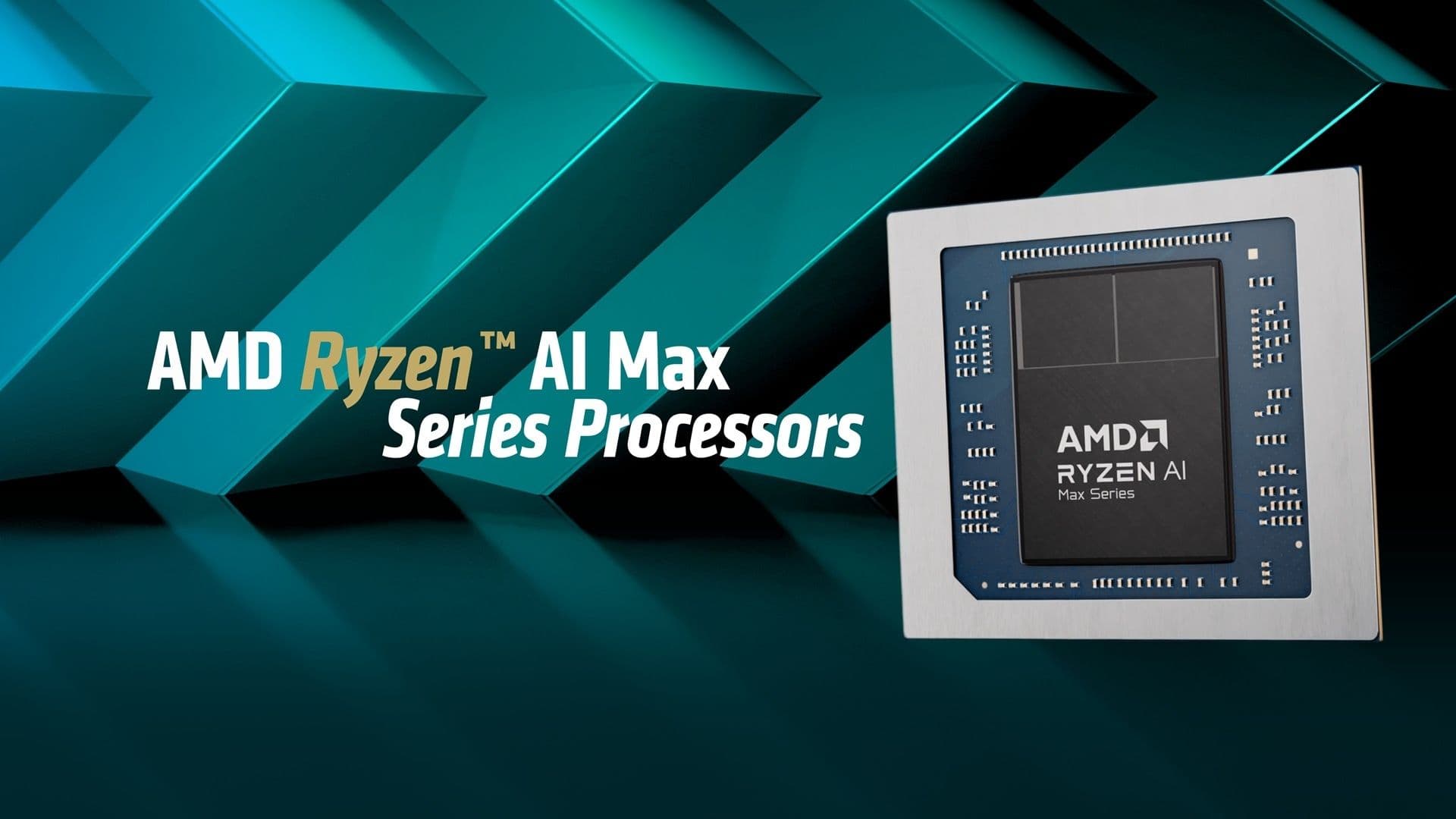
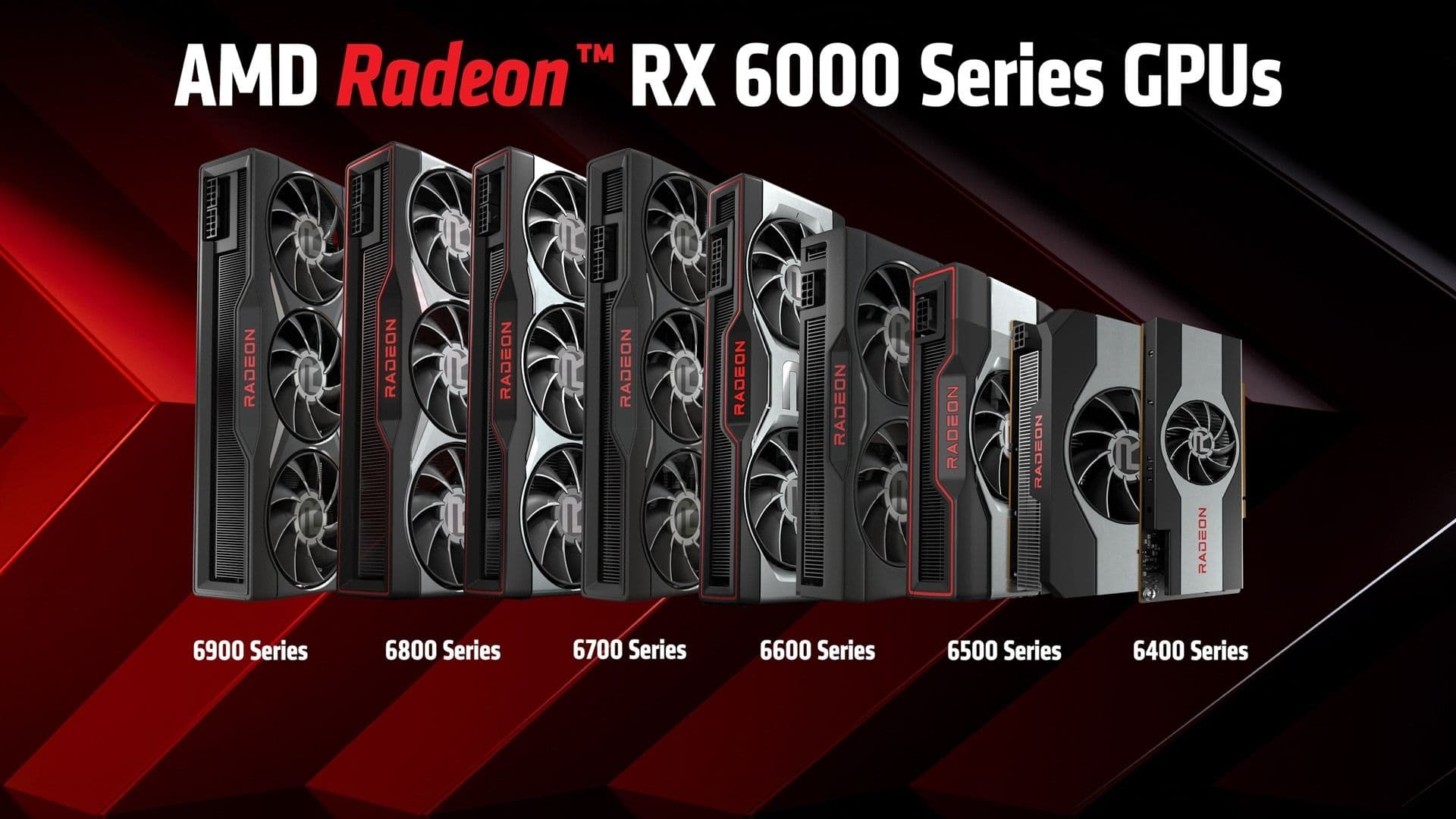
On 22 October, the graphics discussion moved from distant architecture rumours to software that is actually being deployed. AMD confirmed that FSR Upscaling 4.1 is expanding to Xbox Series X|S, Radeon RX 6000 cards, Ryzen AI processors and several Ryzen Z2 handheld chips.
AMD’s official announcement says a streamlined machine-learning model was created for the class of hardware that includes Ryzen Z2 processors and mainstream mobile systems. Xbox Series consoles are due to receive FSR 4.1 soon, while handheld roll-outs depend on individual manufacturers.
This is not the final Project Helix graphics system. Microsoft says Helix is being co-designed for the next generation of DirectX and FSR, which points beyond today’s implementation. Even so, the Project Helix FSR 4.1 analysis shows how Microsoft and AMD can establish one scalable neural-reconstruction path across console, PC and portable hardware before the new generation arrives.
A Six-Core AMD Sample Raises the Handheld Bar
On 23 October, attention shifted to an AMD engineering sample listed on OpenBenchmarking. The test platform uses six CPU cores and 12 threads at 2.4GHz, together with 24GB of LPDDR5 memory rated at 9,600 MT/s. Hardware reporting has associated it with the rumoured Gainsborough APU and a possible future Steam Deck, but neither AMD nor Valve has confirmed that connection.
The early graphics scores are not suitable for a direct Steam Deck comparison. The systems were tested at different resolutions and display modes, while the prototype used development software on an engineering board with no disclosed handheld power limit. The listing demonstrates active testing, not final game performance.
The Steam Deck 2 chip and PS6 handheld analysis explains why the sample still matters. Six modern cores and 24GB of fast shared memory resemble the broad direction described in PS6 Jupiter handheld console rumours, yet they do not corroborate Sony’s alleged specification or prove that Valve and Sony are using related silicon.
What Connects All Four Stories
Efficiency is the common thread. Sony’s patent attempts to create smoother output with more context rather than simply rendering every frame conventionally. AMD’s lightweight FSR model brings machine-learning reconstruction to lower-power devices. The handheld sample pairs a moderate CPU core count with fast shared memory, while Microsoft’s reported roadmap spreads the next Xbox experience across more than one form factor.
That does not mean PS6 and Project Helix will be underpowered. Microsoft claims Helix will deliver an order-of-magnitude ray-tracing improvement, while Sony and AMD’s Project Amethyst research is aimed at neural graphics, ray tracing and better use of GPU resources. The point is that expensive silicon alone cannot solve power, heat, memory or manufacturing constraints.
Software compatibility is equally important. Microsoft has publicly committed to keeping four generations of Xbox games playable. Sony’s continuation patents and AMD partnership suggest long-term graphics planning, while its continued use of an AMD design should make preserving PS5 software more practical. Neither company has yet published a complete next-generation compatibility policy.
What to Watch Next
Microsoft has promised more Project Helix information later in 2026, making its Xbox 25th-anniversary period the next obvious window even though no specific hardware event has been announced. The most valuable update would be a firmer developer programme, operating-system details or a clearer explanation of how PC storefronts coexist with the console security model.
For Sony, the next decisive evidence would be an official hardware roadmap, developer guidance or a Project Amethyst demonstration running on representative future silicon. Patent publications can reveal engineering priorities, but they cannot establish a PS6 feature list or release window.
The week therefore ends with the next generation becoming more coherent but not more final. Helix has a reported schedule, neural graphics has a practical Xbox stepping stone, and future handheld chips are beginning to leave fingerprints in public test databases. Dates, prices and retail specifications remain unsettled.