Project Helix: Shift Up Wants Early Xbox Dev Kits
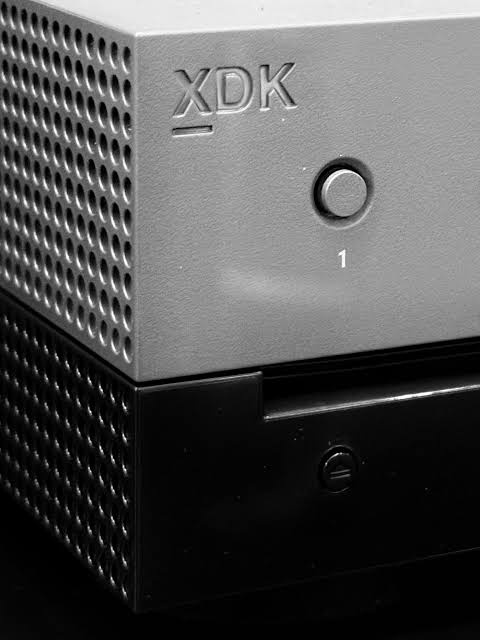
Project Helix has received a fresh vote of confidence from a developer outside Microsoft. Shift Up chief technology officer DongKi Lee said he is looking forward to Xbox’s next-generation platform and wants development kits to reach Korean teams as early as possible.
Lee made the comments during a console-development panel at the Console Game Developers Conference in Seoul on 9 November 2026. Inven Global reported the discussion, which also included former PlayStation executive Shuhei Yoshida and developers from Tekken, Cyberpunk 2077 and RimWorld. The remarks are useful evidence of developer interest, but they do not announce a Shift Up game or add new Microsoft hardware details.
What Shift Up’s CTO actually said
Asked about the next Xbox generation, Lee said he was personally looking forward to “the next-gen Xbox ‘Helix’” and that, from an engineering perspective, Shift Up would do its best to develop for it if Microsoft provided a development kit in Korea early enough. The comment was made in the context of how studios approach multiplatform development and platform constraints.
That distinction matters. Lee did not say that Shift Up has received a kit, signed a Project Helix agreement or started a Helix game. He was describing the value of early access for developers, not confirming a product roadmap. Inven Global’s full panel report is the source for the remarks.
Why early development kits matter
Early hardware gives studios time to understand the platform’s graphics tools, memory behaviour, CPU and GPU balance, storage pipeline and certification requirements. It can also help developers decide which systems should scale across different Xbox devices instead of being cut back late in production.
That is especially relevant to Helix because Microsoft has presented the platform as part of a broader console-and-PC ecosystem. A kit arriving early can improve launch software readiness, but it does not by itself reveal how powerful the final retail machine will be or when consumers can buy it.
What Microsoft has officially confirmed
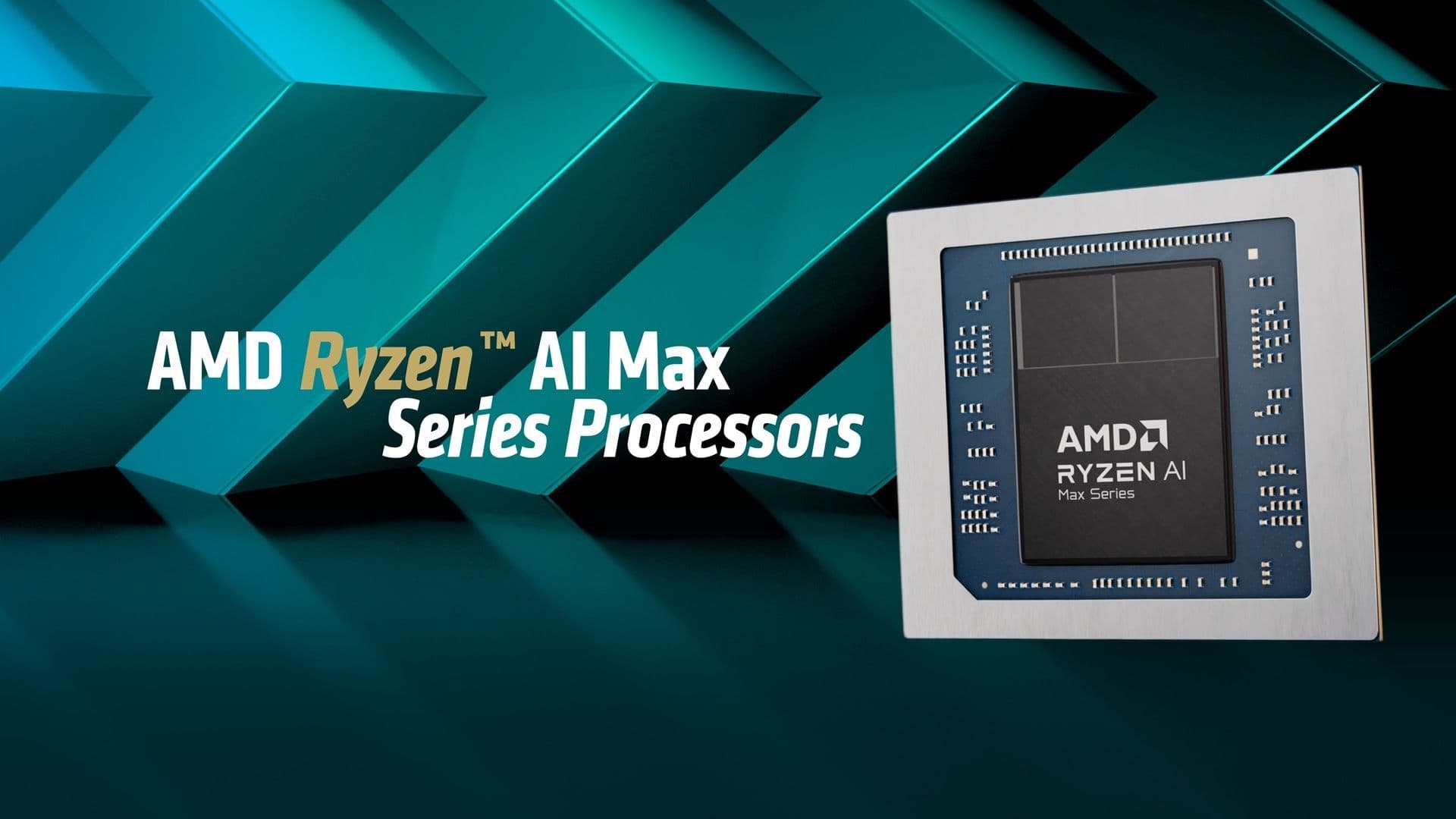
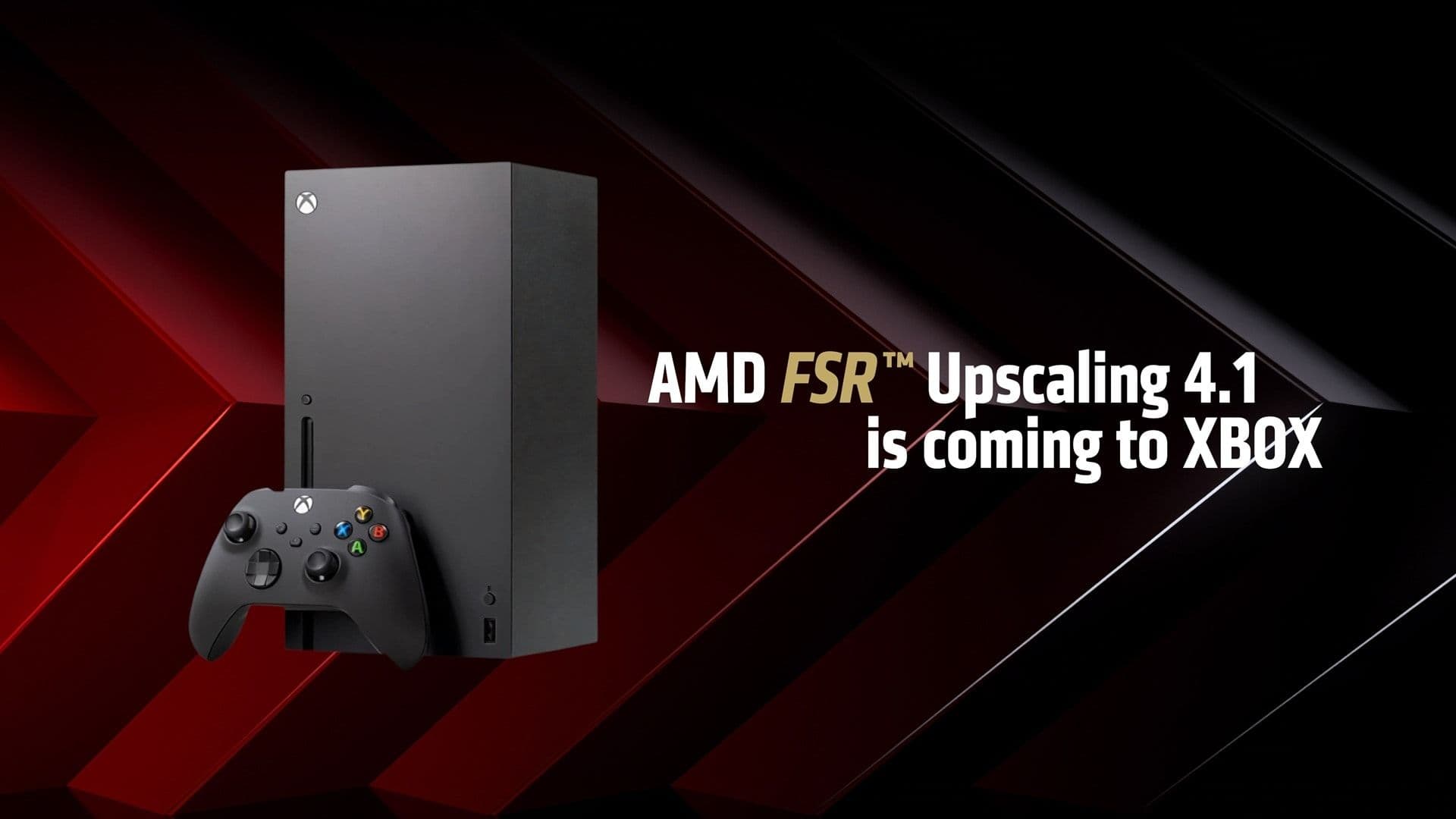
Microsoft’s March 2026 Xbox Wire announcement says Project Helix is a next-generation first-party Xbox console built around a custom AMD system-on-chip. Xbox also says the platform is being co-designed for the next generation of DirectX and FSR, with a major ray-tracing goal and intelligence integrated into the graphics and compute pipeline.
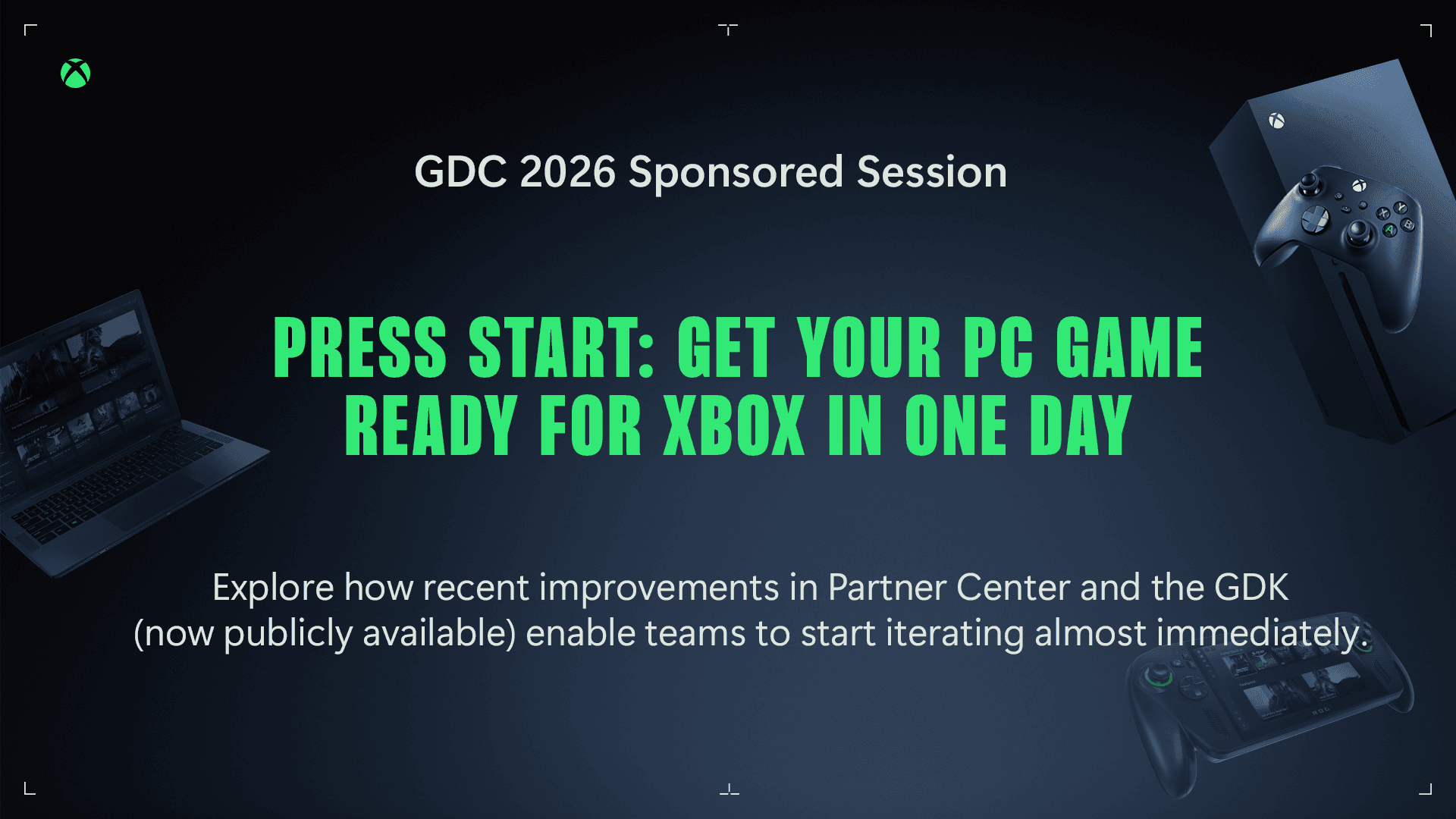
Xbox has said alpha versions of the hardware are planned for developers beginning in 2027. It has also committed to keeping games from four generations of Xbox playable for years to come. Those are the strongest confirmed Helix details; there is still no official retail date, price, final memory configuration or consumer specification sheet. Read Xbox’s announcement.
What this means for PS6 and Magnus rumours
The Seoul comments strengthen the case that developer access will be an important part of Microsoft’s next-generation strategy. They do not prove that Helix will launch first, outperform PS6 or use the reported “Magnus” name. Microsoft’s official communication uses Project Helix, while “Magnus” remains an unconfirmed reporting label.
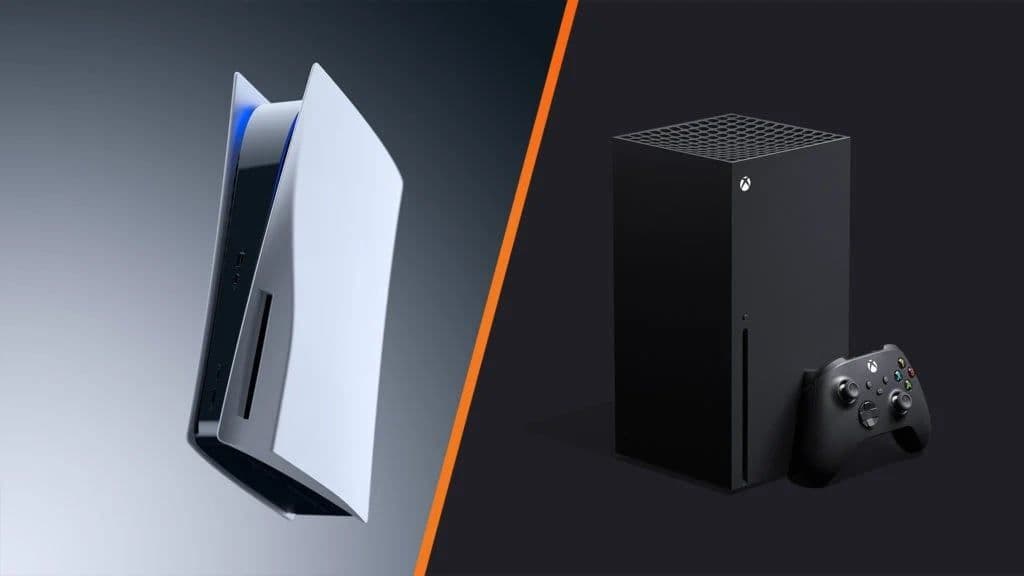
For PlayStation, the comparison is strategic rather than numerical. Sony says its own next-generation platform work is progressing as scheduled, but it has not published PS6 specifications, pricing or a launch window. Our PS6 development update and PS6 Xbox Helix cost analysis cover the confirmed overlap and the remaining unknowns.
Project Helix timeline: verified facts
| Date | Development | What it confirms |
|---|---|---|
| 11 March 2026 | Xbox announces Project Helix | Custom AMD SoC, next-generation DirectX/FSR work and a first-party next-generation console. |
| 9 November 2026 | Shift Up CTO comments at a Seoul panel | Developer interest in early Korean access; no game or partnership announcement. |
| 2027 | Xbox plans to ship alpha hardware to developers | Microsoft’s stated development-kit timing; not a consumer release date. |
The table separates Microsoft’s own commitments from a developer’s request. It also shows why the Seoul comments are timely without changing the basic Helix timeline. Until Microsoft publishes more, articles claiming a final launch month, retail price or confirmed “Magnus” specification are still ahead of the evidence.
The next useful Helix signal
The most meaningful follow-up would be Microsoft confirming when external studios receive alpha hardware, which development tools are available and how Xbox console and PC games share a technical baseline. A named Shift Up project would also be significant, but no such project has been announced.
For now, Lee’s comments show that developers are already thinking about the platform and want time to prepare for it. That is a positive ecosystem signal, not proof that Project Helix is ready for consumers.