Project Helix Is a Console First, Xbox Clarifies
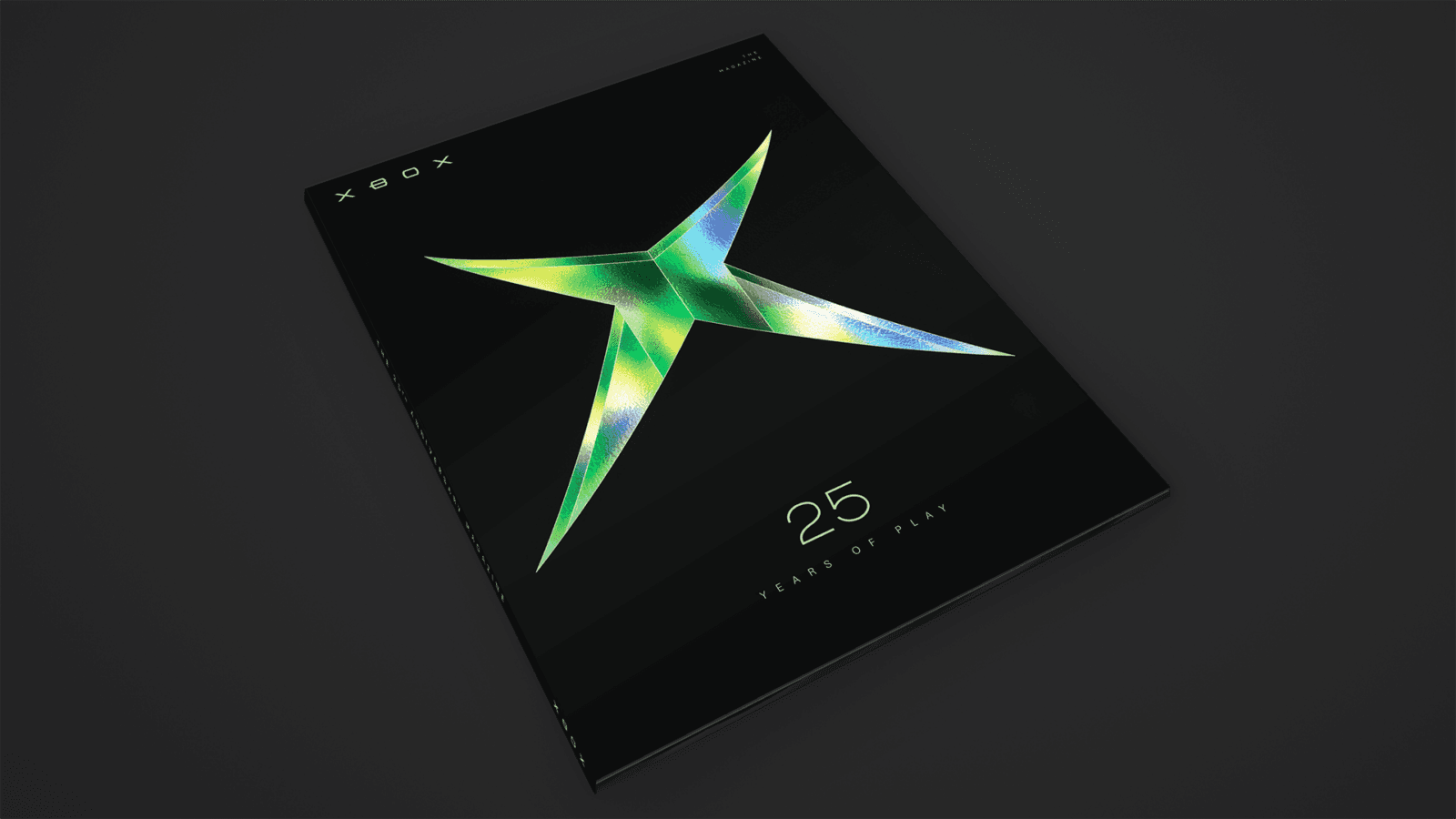
Xbox has offered a sharper description of Project Helix, its next-generation first-party console. In a Q&A for the company’s 25th-anniversary magazine, published online on 15 November 2026, vice-president of next generation Jason Ronald described Helix as a console capable of playing games from a PC—not a PC that happens to run console games. The distinction answers a design question that has followed Xbox since Microsoft announced Helix in March.
This is not a consumer reveal. Xbox has not shown the finished hardware, named its processor specifications, confirmed a price, or announced a retail launch date. But Ronald’s description clarifies what Microsoft wants players to feel when they switch the machine on: a games-first living-room experience with PC-game access and optional deeper controls. That is a materially different promise from selling an ordinary Windows tower under an Xbox badge.
What Ronald actually said
Ronald’s remarks appear in the official Xbox anniversary magazine, which Xbox made available online on 15 November. Video Games Chronicle’s 16 November report transcribes the interview. His central point is concise: Helix is a console that can play games from a PC, not a PC that can also play console games. The magazine is the primary publication; VGC provides an accessible account of the relevant pages.
Ronald links that distinction to immediate access. He wants players to find their games without managing an operating-system update, drivers or configuration before every session, while allowing enthusiasts to adjust settings and performance if they wish. He also speaks of carrying a four-generation Xbox library and progression forward. Those are stated design goals, not a published compatibility matrix or a warranty that every game, save and peripheral will work.
The framing is notable because Microsoft has previously emphasised Windows, PC storefronts and cross-device play. The new answer does not reverse that strategy. It suggests Xbox wants to put a console-style layer in front of it, so PC flexibility becomes an extra capability rather than the work a player must do before starting a game.
Console-first does not mean PC-free
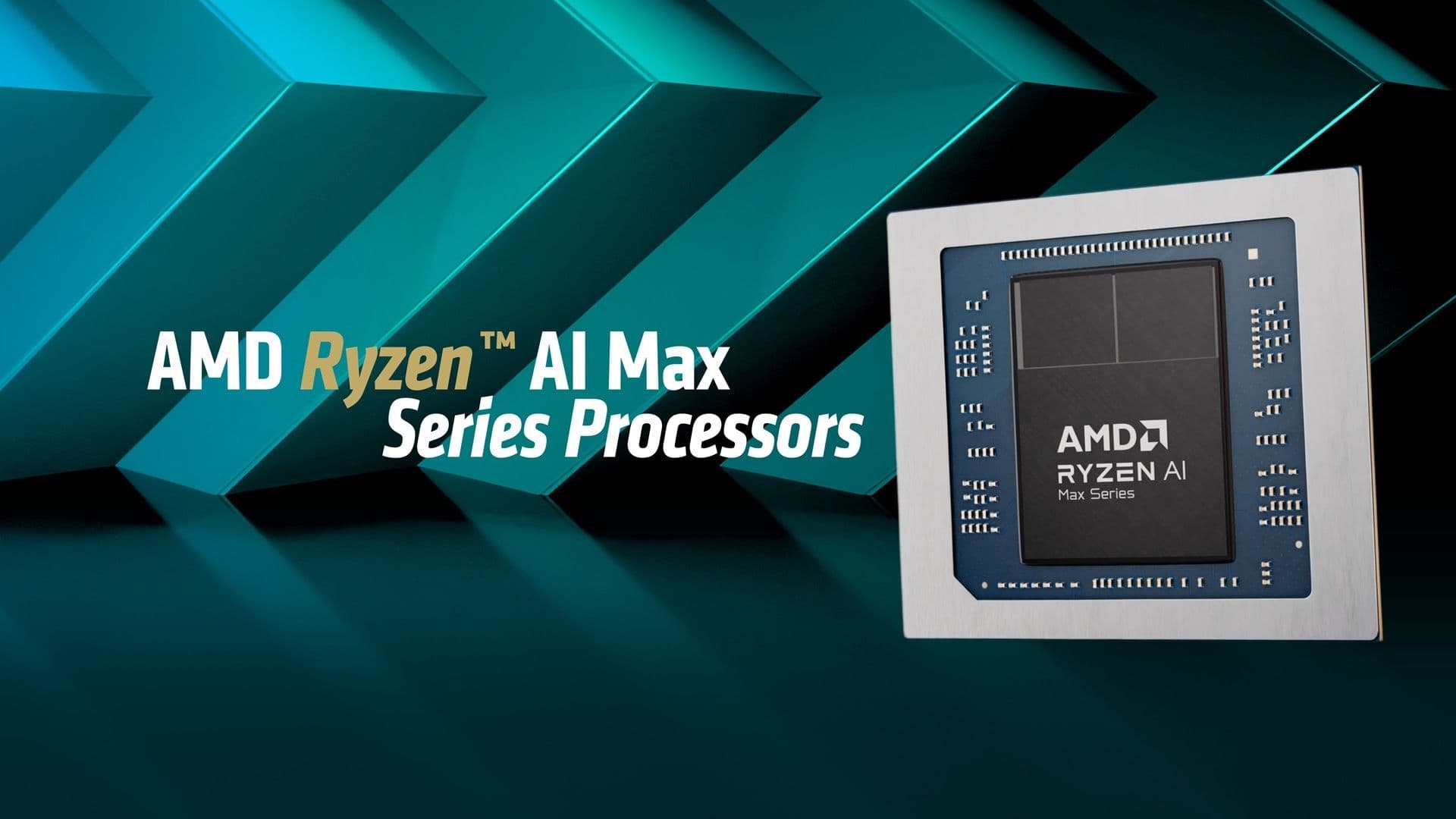
In March, Xbox announced Project Helix as a next-generation console designed to play Xbox console and PC games. It said the machine would use a custom AMD system-on-chip and be co-designed for future DirectX and FSR technologies. The same announcement said alpha hardware was planned for developers beginning in 2027. None of those statements described a conventional off-the-shelf gaming PC.
Ronald’s magazine interview adds a product philosophy to that technical direction. A console can expose PC games without asking every owner to understand graphics drivers, launcher conflicts or desktop window management. Conversely, permitting customisation for power users does not necessarily mean Helix will run a full desktop, support every Windows executable or permit all existing PC stores. Microsoft has not published those rules.
The distinction matters to the business model as well. A true console-like experience depends on clear installation, entitlement, input and update behaviour. A customer who owns a PC game may reasonably ask whether the same purchase will appear on Helix, but the answer can vary by publisher, store and edition. Xbox’s Helix PC-games explainer covers the broader promise; this new interview does not settle its licence details.
Confirmed direction versus open questions
Here is the evidence boundary as it stands after the interview. The table separates explicit Xbox statements from implementation details that have not been announced.
| Question | What Xbox has said | What remains unconfirmed |
|---|---|---|
| Product identity | Helix is a next-generation first-party console, designed as console-first | Final name, design and retail date |
| Games | Designed to play Xbox console and PC games | Exact PC storefronts, eligible titles and licence terms |
| Older Xbox library | Goal to carry four generations and progression forward | Title-by-title, disc and accessory rules |
| Hardware | Custom AMD system-on-chip, future DirectX and FSR work | CPU, GPU, RAM, storage, price and final performance |
| Developer timing | Alpha hardware planned from 2027 | Consumer launch timing |
| User experience | Immediate, games-first access with deeper options for enthusiasts | Final interface and degree of Windows openness |
This is a useful correction to speculation that treats Helix as a standard PC in a console shell. It is equally important not to turn a design objective into a feature list. Until Xbox publishes product documentation, neither the precise Windows layer nor the range of supported stores is known.
Why the library promise matters
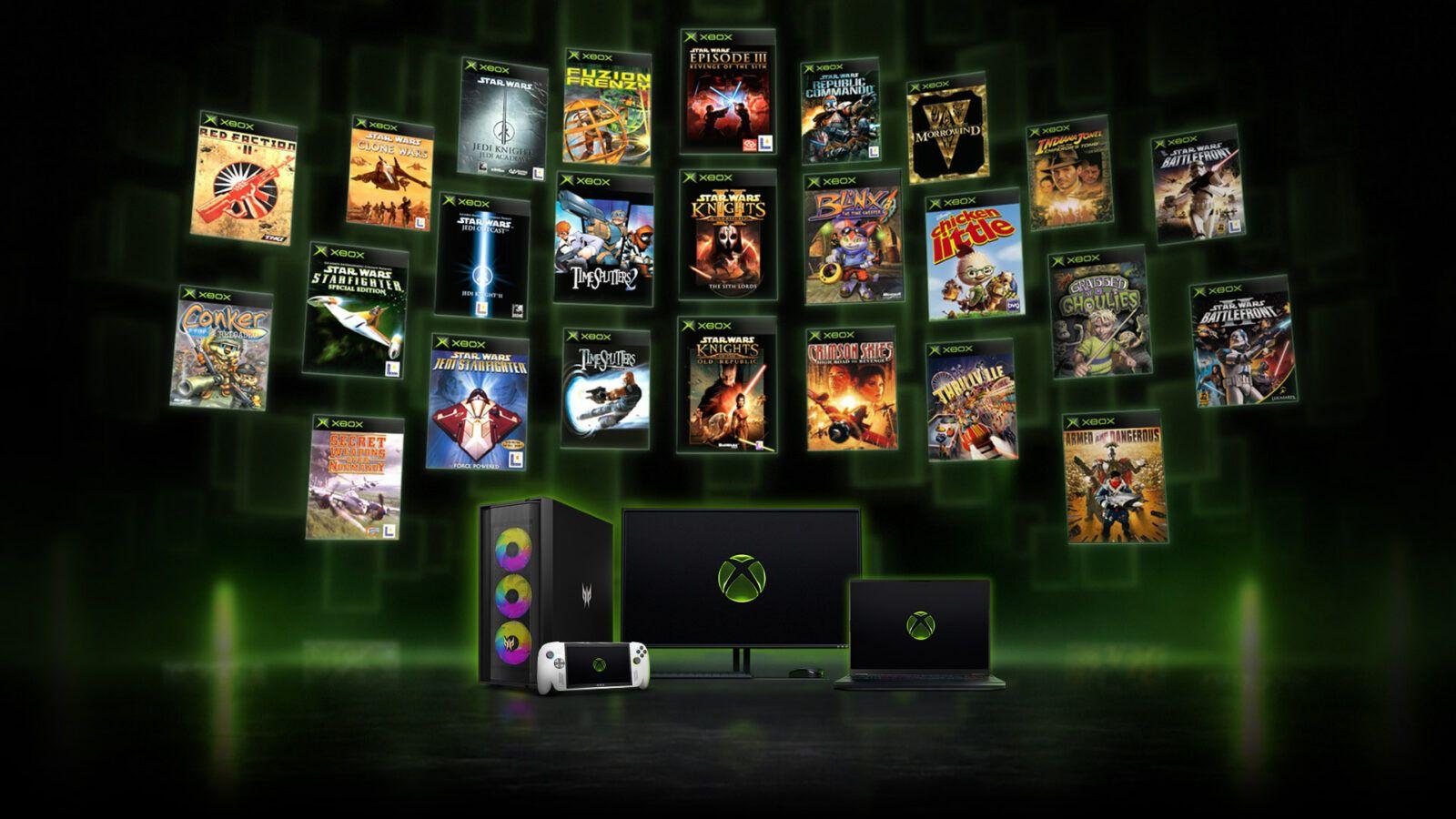
Xbox has been building practical pieces of a cross-screen library before Helix reaches consumers. On 12 November, it expanded original-Xbox backward compatibility on Windows 11 from four games to 25, as our report on the new PC catalogue explains. That is an existing, limited programme, not proof that all 25 games will be on a Helix launch list or that a physical disc creates a portable PC licence.
Ronald’s reference to four generations of Xbox games and progression points to continuity as a central selling point. For players with large digital collections, the value of a new box depends partly on whether purchases, saves and achievements remain available without friction. A console-first interface could make that continuity easier to understand than a mixture of separate launchers and compatibility menus.
There are unresolved edges. Licensed music, delisted titles, publisher rights, peripheral support and unusual physical editions can all complicate a broad promise. Microsoft has not supplied a comprehensive Helix compatibility list or clarified how its announced PC-game access relates to every historic Xbox purchase. The safe interpretation is that legacy continuity is an explicit goal, while individual entitlements await confirmation.
Neural rendering is part of the affordability argument
Ronald also discusses hardware costs in the interview. As VGC reports, he says Xbox is focusing on neural rendering as a way to create a frame without simply adding more compute power or memory. That is a description of the engineering approach, not a benchmark. The magazine gives no Helix frame rate, resolution target, memory capacity or price to test it against.
Neural rendering is an umbrella term; it can include AI-assisted reconstruction, frame generation and related graphics techniques. The practical challenge is quality and responsiveness per watt and per pound, not producing the largest theoretical specification number. A convincing console implementation will have to deliver stable images and low enough latency in real games. Those outcomes cannot be assumed from the interview alone.
This is a relevant contrast for PS6 graphics coverage, where Sony’s Project Amethyst work and Microsoft’s AMD partnership suggest that reconstruction and efficiency will play a larger role in the next generation. It is a comparison of public technology directions, not evidence that PS6 and Helix use the same chip or will perform identically.
How this changes the PS6 comparison
For readers comparing future platforms, the clearest new point is experiential. Microsoft is promising a dedicated Xbox console that also reaches into PC gaming. Sony has not announced a PlayStation 6 product, its operating system, or a corresponding PC-game entitlement policy. Claiming that one platform has already won on openness or ease would therefore be premature.
Equally, the phrase ‘console first’ does not imply a lower price. The custom silicon, memory, storage, platform fees and retail strategy have not been disclosed. Nor does it resolve rumours around the codename Magnus or third-party Helix devices. The PS6 versus Xbox Magnus specs comparison should remain a comparison of confirmed information and clearly labelled reporting—not a table of imagined retail specifications.
The new statement does give developers and players a more specific question to ask when Microsoft shows the device: can Helix make PC games feel as immediate as console games while preserving the flexibility that PC players expect? That balance, not merely whether a Windows logo appears somewhere in its software, will define the product.
What to watch next
The most useful next disclosure would be a live demonstration of the interface and an explicit account of supported PC stores, ownership rules and backward compatibility. A public technical specification and developer guidance will eventually clarify what the custom AMD hardware can do. For now, Xbox’s published timetable goes only as far as alpha hardware planned from 2027; it is not a consumer release announcement.
Ronald’s interview is news because it narrows the platform’s intended identity. Helix is being designed as an Xbox console with PC-game capability and optional depth, not a general-purpose PC with retro Xbox software attached. That conclusion is grounded in his stated design goal. Everything beyond it—exact game eligibility, storefront access, disc policy, launch price and date—still needs an official answer.