PS6 Could Coexist With PS5 as Hardware Costs Rise
The PlayStation 6 may arrive without immediately replacing PlayStation 5. New comments from three games-industry analysts suggest that rising component costs and increasingly expensive hardware could create a more layered console transition, with PS5 remaining active while a premium next-generation system establishes itself.
The comments are forecasts, not a Sony announcement. Sony has confirmed investment in its next-generation platform and says development is progressing on schedule, but it has not publicly named PlayStation 6, set a launch date, published specifications or described a cross-generation release policy. Our latest PS6 development update separates that confirmed schedule statement from the details that remain unknown.
Even so, the argument is grounded in more than launch-price speculation. Analysts at Ampere Analysis, Omdia and Alinea Analytics told TechRadar that manufacturers may need to moderate performance ambitions, offer different hardware tiers, delay launches or preserve current machines for longer. Sony’s own financial briefing also says PS5 and PS4 users are expected to remain a strong source of engagement and profit through the transition.
Why a layered PlayStation generation is plausible
Older console transitions were often described as clean handovers: a new machine launched, software support shifted towards it and the previous box moved down in price. The modern market is less tidy. Digital libraries, live-service games, subscriptions, cross-play and long development cycles give platform holders a commercial reason to keep established audiences connected rather than forcing a sudden migration.
PS5 already provides a large foundation for that approach. Sony reported more than 93 million PS5 units and 125 million monthly active PlayStation accounts as of March 2026. A PS6 could therefore begin as the highest-performance option while PS5 continues serving price-sensitive players, families and users who are satisfied with current performance.
That would make the next generation additive rather than instantly substitutive. It would not mean every PS6 game must run on PS5, nor would it rule out exclusives designed around new CPU, storage or graphics capabilities. It would mean the commercial life of PS5 could continue well after the next machine appears.
Sony’s own comments point to continuity
Sony has not promised a long PS5-to-PS6 cross-generation period, but its official language makes continuity central to the business. In its 5 June 2026 Game & Network Services briefing, Sony said backward compatibility and digitisation have expanded the reach of content, allowing players to revisit older games from the same series.
More importantly, Sony said it expects PS5 and PS4 users to keep producing solid monetisation during the transition. That is not a technical confirmation that every PS5 game will run on PS6, but it shows why Sony has little incentive to abandon older users when a new device launches. Our PS6 backward-compatibility guide explains what AMD continuity and the existing software stack make plausible, while keeping Sony’s unannounced policy separate.

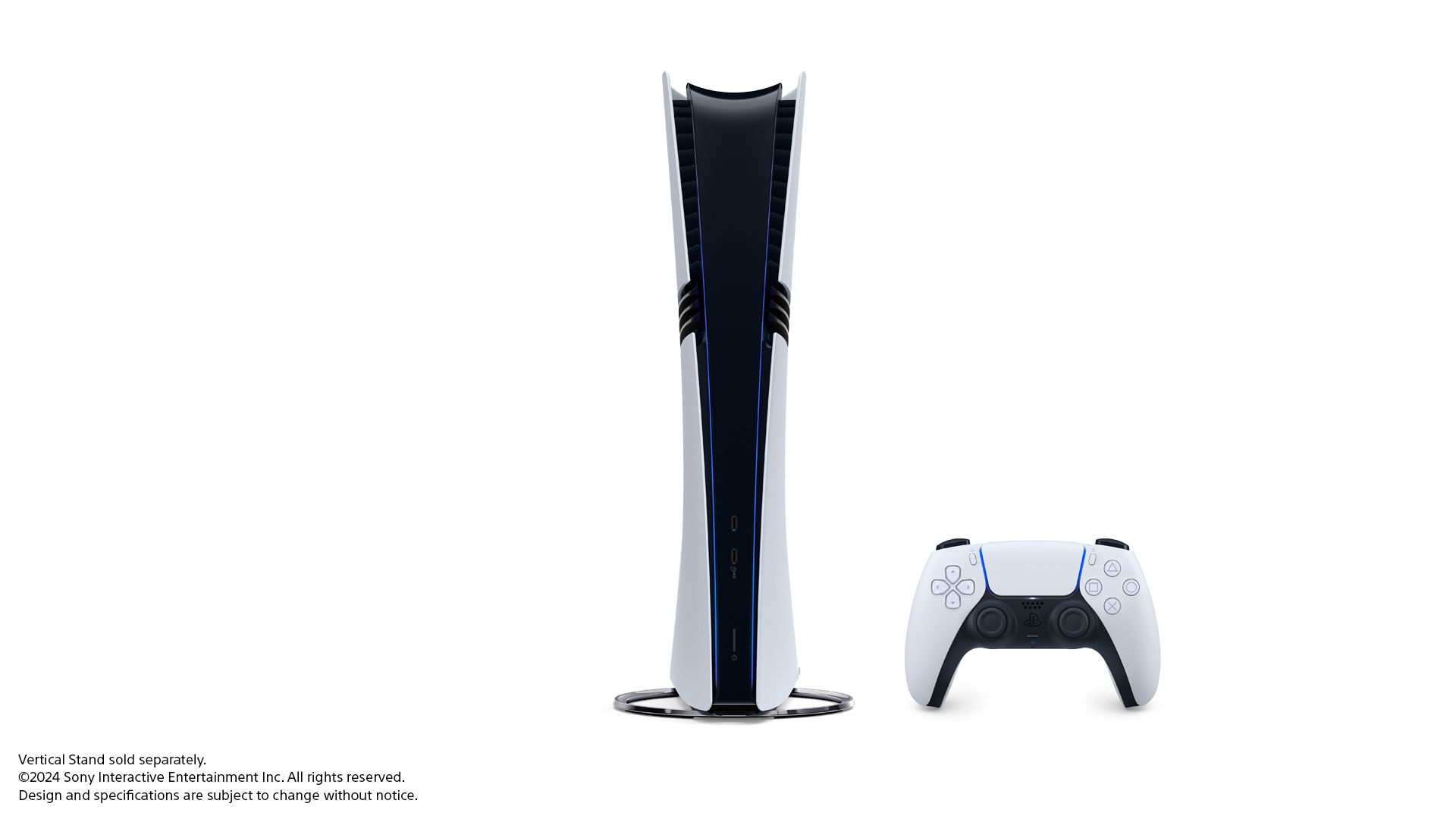
The PS5 Pro is an early example of this layered model. Sony added a higher-priced, higher-performance console without ending support for the standard PS5. A PS6 launch would be a much larger technical step, but the commercial principle—multiple performance levels sharing one ecosystem—has already been tested.
Memory and component costs change launch economics
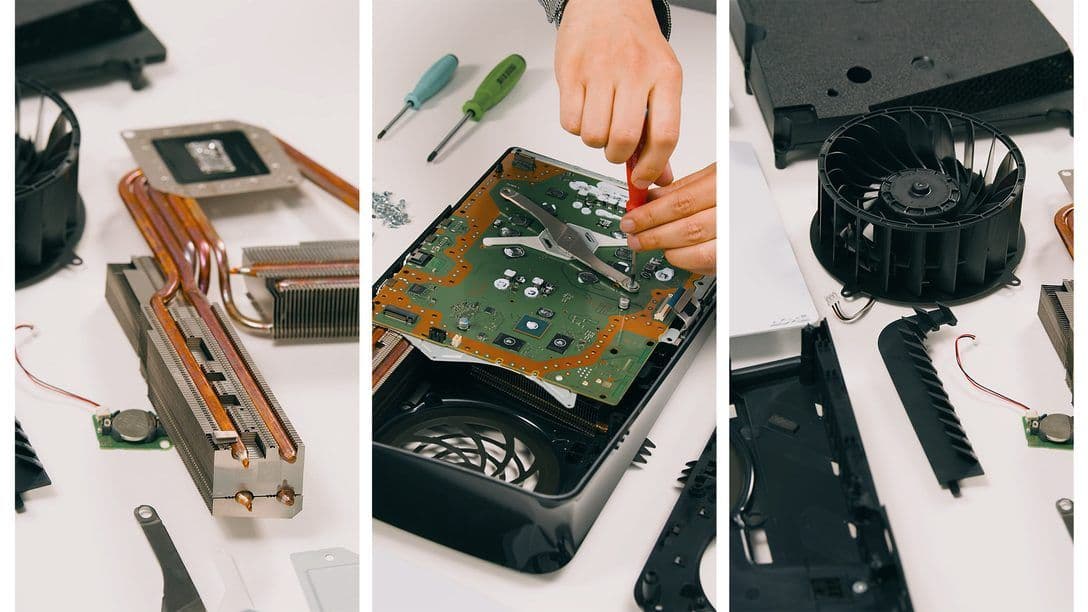
The pressure begins with the bill of materials. Advanced processors, fast graphics memory, storage, cooling, power delivery and packaging all contribute to the cost of a console. The current memory squeeze is especially relevant because AI infrastructure is competing for semiconductor capacity and investment at the same time that next-generation games demand more bandwidth and larger working sets.
Our earlier report on the PS6 and Xbox Helix memory crisis explains why that pressure can affect price, configuration and availability without proving a specific launch figure. A four-figure PS6 is not confirmed, and a temporary component spike cannot be converted into a reliable retail price years in advance.
Manufacturers still have choices. Sony could accept a smaller hardware margin, reduce part of the specification, negotiate long-term supply, launch a premium model first, introduce more than one tier or wait for a better cost window. Every option has a trade-off, and Sony told investors in June that it does not intend to sell hardware at significant losses.
PS6 graphics may favour efficiency over brute force
Ampere analyst Piers Harding-Rolls argued that the pursuit of higher-end performance may need to be moderated if console makers want to avoid extreme launch prices. That does not necessarily mean a weak generational upgrade. It could mean putting more engineering effort into producing visible gains from a realistic power, memory and cost envelope.
Sony and AMD’s Project Amethyst work points in that direction. Machine-learning reconstruction, specialised ray-tracing hardware and improved compression are intended to make the graphics pipeline more efficient, reducing the need to render every output pixel conventionally or move every asset through memory in an uncompressed form.
Our detailed PS6 graphics guide covers Neural Arrays, Radiance Cores and Universal Compression. Those technologies are a credible direction for future PlayStation hardware, but Sony has not confirmed that every named feature will ship in PS6 or published a final performance target.
What longer cross-generation support would mean for games
For players, the obvious benefit is time. If major releases continue to reach PS5 after PS6 launches, an upgrade becomes a choice based on image quality, frame rate, loading, new features and exclusive software rather than an immediate requirement to keep playing new games.
For developers, the equation is more complicated. Supporting PS5 can preserve a much larger addressable audience, but it also creates another performance target. Teams may need to scale resolution, ray tracing, crowd density, simulation complexity and storage behaviour across machines with very different capabilities.
Cross-generation support therefore cannot last forever without consequences. Games designed around a substantially stronger CPU, faster data path or new system-level feature may eventually need to leave PS5 behind. The analyst view is best understood as a prediction of a slower commercial transition—not a claim that PS5 will define the technical baseline for the entire PS6 generation.
Xbox Project Helix faces the same pressure
Microsoft’s next-generation plan makes the layered-generation idea even more explicit. Project Helix is confirmed as a custom-AMD platform intended to play Xbox console and PC games, with developer alpha hardware planned for 2027. Microsoft has also committed to preserving games from four Xbox generations.
That strategy could produce a family of devices rather than one box replacing Xbox Series X and Series S overnight. It could also create several price points, allowing a premium Helix system to coexist with cheaper current or partner hardware. Our Project Helix 2028 report covers the reported consumer timing and handheld strategy, both of which remain partly unconfirmed.
The same caution applies to leaked ‘Magnus’ specifications and premium-price claims. Microsoft has confirmed the platform, AMD partnership and 2027 development milestone, but not a retail configuration or price. Cost pressure makes tiered hardware plausible; it does not turn any leaked specification sheet into fact.
What is confirmed and what remains unconfirmed
Sony has confirmed that it is investing in the next generation of the PlayStation platform, that work is progressing on schedule and that launch timing will consider technology, marketing, regional conditions and pricing. It has also stated that hardware remains the base of the PlayStation experience and that it will not absorb every component-cost increase.
The idea of PS6 coexisting with PS5 for an extended period is an analyst forecast supported by Sony’s stated business incentives. It is not a confirmed launch plan. There is no announced PS6 price, date, design, memory capacity, CPU, GPU, backward-compatibility list or cross-generation software requirement.
The clearest evidence will arrive when Sony identifies the product, explains its developer programme and sets rules for PS5 software, accessories and digital libraries. Until then, the responsible conclusion is limited but important: higher costs and a valuable installed base make a gradual transition increasingly credible.
The next PlayStation launch may be a choice, not a cutoff
A longer PS5 life would change the meaning of a PS6 launch. Instead of switching the ecosystem from one generation to another on a single date, Sony could introduce a new premium performance tier while continuing to serve tens of millions of players on established hardware.
That outcome would help Sony protect software and subscription revenue while giving component costs time to settle and developers time to adopt the new platform. It could also make the initial PS6 audience smaller and more enthusiast-focused than earlier launches.
None of those outcomes is guaranteed. But the combination of analyst warnings, Sony’s profitability discipline and its expectation that PS5 and PS4 users will keep spending makes one point increasingly difficult to ignore: PS6 may begin the next generation without ending the current one.