PS6 News This Week: Helix Exclusives, Xbox Labs and VR
PS6 news this week was shaped less by a single specification leak than by a series of strategic signals. Microsoft tested whether exclusive games could strengthen Project Helix, established an experimental Xbox Labs group, and continued to frame hardware as the foundation of its next platform. Sony’s week brought a newly granted controller patent and fresh questions about its long-term virtual-reality direction.
Price remains the common thread. US console unit sales have fallen while average hardware prices reached new highs, making it harder for either Sony or Microsoft to rely on raw performance alone. The next generation must justify its cost through software, compatibility, accessibility and features players can feel.
Here is what changed between 11 and 16 October 2026, what is confirmed and what still belongs in the rumour column.
Project Helix Exclusivity Becomes a Serious Question
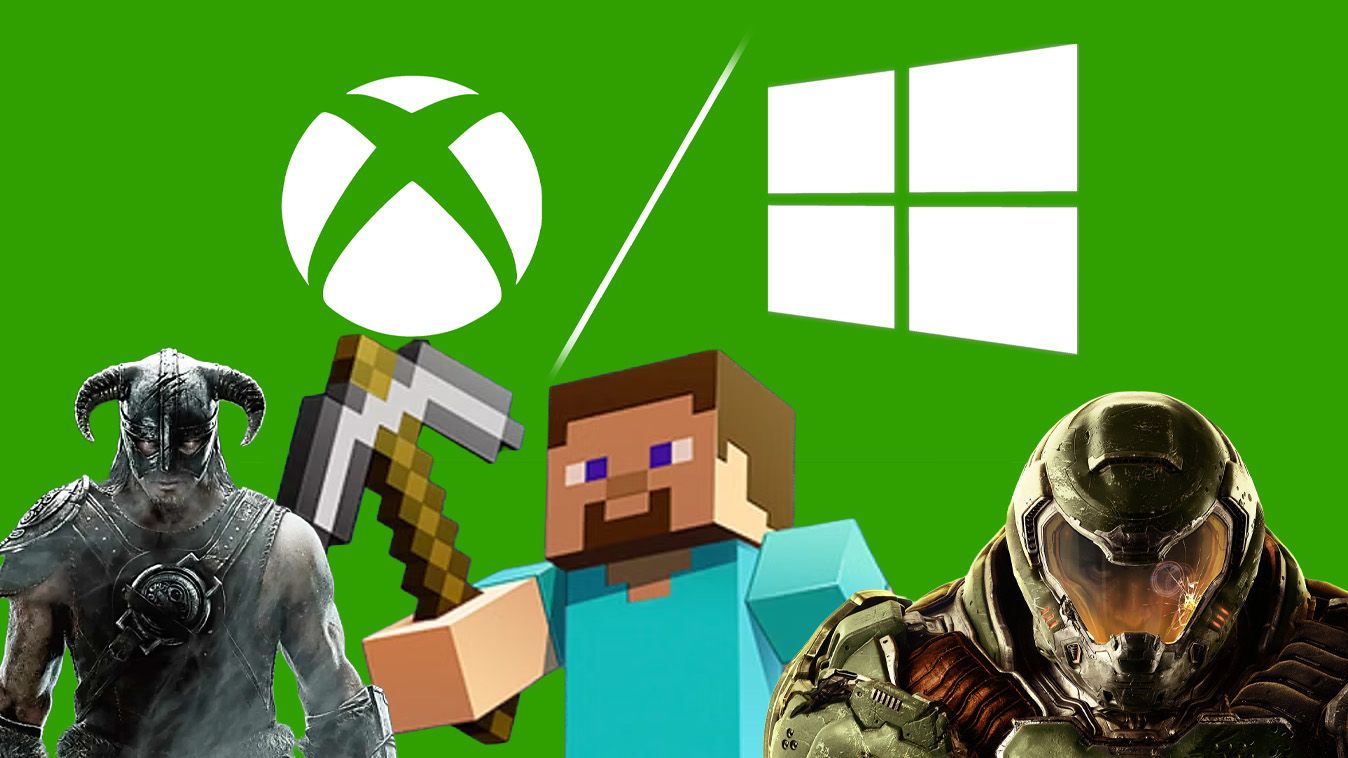
The week’s strongest new Xbox signal came from a verified Xbox Insider survey. Microsoft asked selected users how timed or permanent console exclusivity for Fallout, The Elder Scrolls, Doom, Diablo, Physint and Minecraft might change their behaviour. The questions included whether respondents would use an Xbox they already own, buy new hardware, switch to PC or skip the affected game.
The most extreme hypothetical made future releases from every Xbox-developed franchise except Call of Duty exclusive to Xbox consoles, while PC availability remained unchanged. Minecraft was treated separately: the scenario asked users to imagine existing PlayStation and Nintendo versions receiving no further sales or content updates, without removing content already owned.
This remains research, not a policy announcement. Our detailed Project Helix exclusivity survey analysis explains why the questions matter: Helix needs a reason to exist alongside gaming PCs and PS6, but Microsoft would sacrifice substantial rival-platform revenue if it locked major franchises to its own console ecosystem.
Xbox Labs Connects AI, Compatibility and Preservation
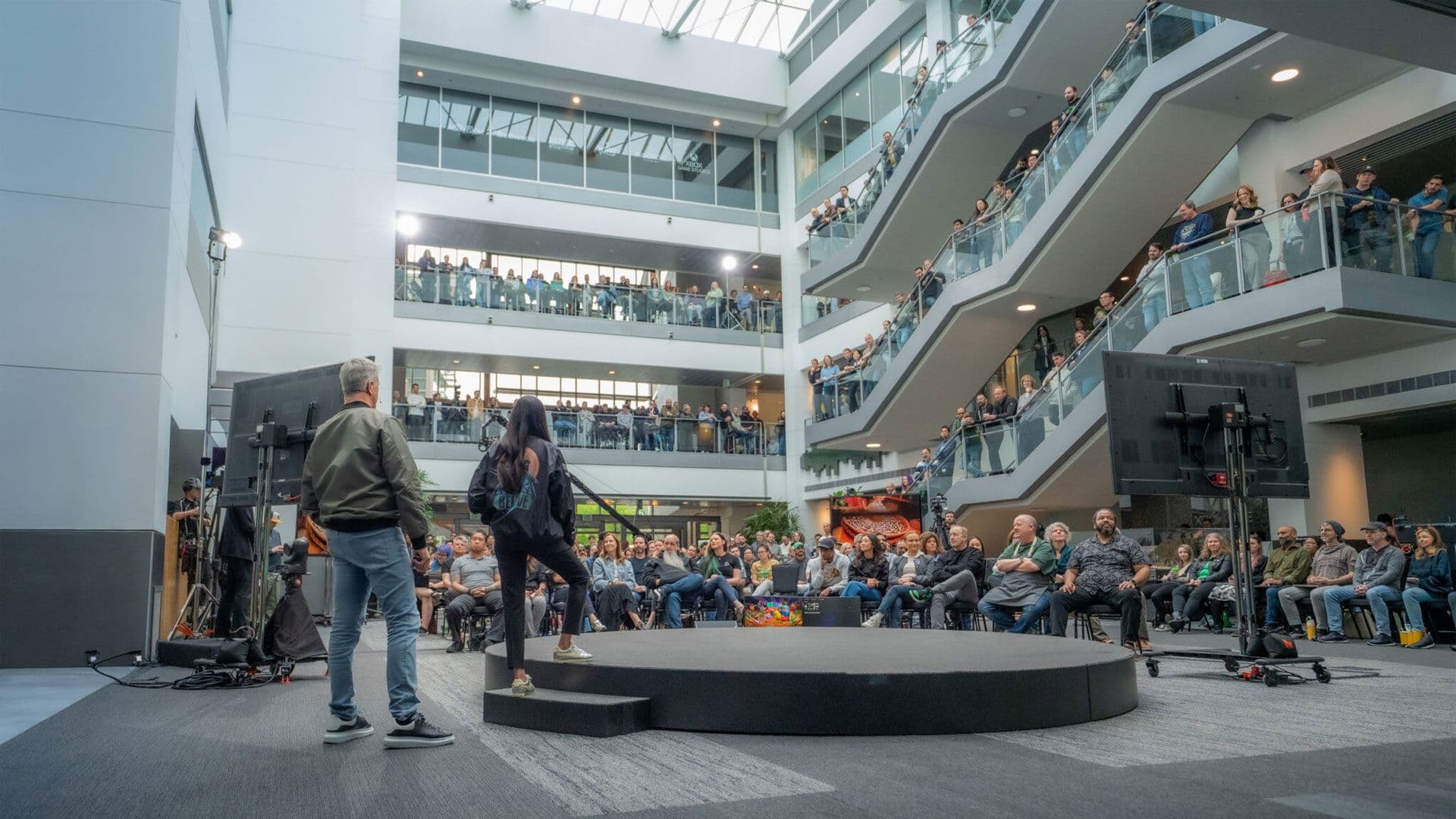
Microsoft also formally introduced Xbox Labs, a small group of engineers, game makers and scientists tasked with turning emerging ideas into experiments that players and developers can test. The company specifically referenced recent work that decompiled games, rebuilt software for new processors and translated PC projects to browsers through WebAssembly and WebGPU.
In the official Xbox Labs announcement, Xbox says the group will work openly and share tools with developers. It also stresses that existing hardware, game and intellectual-property priorities remain in place. That wording is important because experimental AI-assisted ports raise questions about accuracy, licensing, security and whether a technically successful conversion can legally be distributed.
For Project Helix, the most useful outcome would be a stronger compatibility layer. A machine designed to play Xbox console and PC games must handle software built for different APIs, operating assumptions and processor generations. Our Xbox Labs and Project Helix guide separates that plausible long-term benefit from the unsupported claim that Helix will automatically convert any old game.
Sony’s Controller Patent Points to Adjustable Sticks
Sony Interactive Entertainment secured a US patent covering analogue-stick resistance that can be adjusted manually or electronically. The design describes mechanisms capable of changing how much force a player must apply when tilting a stick, potentially allowing different resistance profiles for genres, accessibility needs or in-game situations.
The filing is more specific than a vague concept drawing, but a patent is not a retail roadmap. Sony has not announced a DualSense successor, confirmed the mechanism for PS6 or provided a release date, price or battery-life target. The technology could appear in a premium accessory, be redesigned before launch or never become a commercial product.
The PS6 controller patent breakdown explains the mechanical and electronic approaches in detail. The most credible takeaway is that Sony continues to investigate physical feedback beyond conventional vibration and adaptive triggers, not that the final PS6 controller has already been revealed.
PS6-Era VR Looks Less Certain
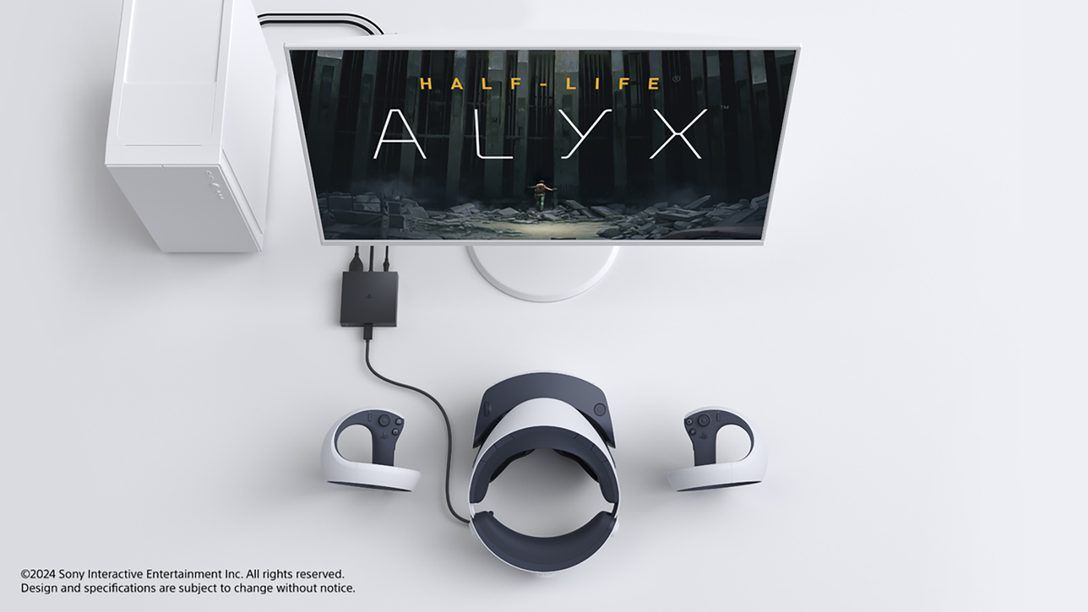
Virtual reality moved in a different direction. Public records show that Sony Group transferred a substantial extended-reality patent portfolio to Meta, including 43 US patent properties within a wider international family. The transaction covers technologies such as displays, optics, eye tracking, hand tracking and spatial interfaces.
The corporate distinction matters. Sony Group and Sony Interactive Entertainment are related but not interchangeable, and the records do not show that PlayStation transferred the PS VR2 product line or cancelled a future headset. Sony and Meta have also not publicly explained whether the deal is a sale, licensing arrangement, collaboration or portfolio rationalisation.
Our PS6 VR and Sony–Meta patent analysis therefore avoids declaring PS VR3 dead. The evidence does, however, make Sony’s PS6-era VR strategy less predictable. A dedicated headset, a more open cross-platform device, continued PS VR2 support and a reduced PlayStation VR investment all remain possible.
Console Prices Are Becoming a Next-Gen Constraint
Circana’s latest US market figures added economic context to every hardware story. Xbox console unit sales were reported down 33% and PlayStation units down 25% through August, while average hardware selling prices reached record levels. Those numbers describe the current market; they do not reveal PS6 or Helix launch prices.
The direction still matters. Expensive late-generation machines, component pressure and weaker unit demand suggest that a premium next-gen specification could collide with what buyers are willing to pay. Sony and Microsoft may need several models, subsidised subscriptions, detachable components or a longer cross-generation period to keep the market broad.
The PS6 price warning analysis examines those pressures without turning sales data into a speculative price claim. Performance will remain important, but the successful platform may be the one that balances capability, availability and a clear upgrade reason most effectively.
What Is Confirmed and What Is Not
Microsoft has confirmed that Project Helix is in development, uses a custom AMD system-on-chip, targets a major ray-tracing improvement, supports Xbox console and PC games, and is expected to reach developers through alpha hardware from 2027. It has also confirmed Xbox Labs and said publicly that it will reassess exclusivity and release windows in its broader Xbox strategy.
Microsoft has not confirmed that Fallout, The Elder Scrolls, Minecraft or every future Xbox game will become Helix-console exclusive. The survey proves that the company is measuring reactions to those possibilities, not that executives have selected one.
Sony has not announced PS6 specifications, price, release timing, a final controller or a PS6-native VR headset. The adjustable-stick patent and XR portfolio transfer are verified records, but their product consequences remain unknown. Claims that either document reveals finished PS6 hardware go beyond the available evidence.
What to Watch Next
The most decisive Xbox evidence will be platform wording attached to major Helix-era games. “Xbox and PC”, “Xbox console exclusive” and “launch exclusive” describe materially different strategies. Microsoft’s first consistent pattern matters more than any single survey question.
For Sony, watch for controller-development documentation, accessibility patents that reappear in physical products, PS VR2 lifecycle commitments and any future headset work attributed directly to Sony Interactive Entertainment. PS6 manufacturing, developer-kit or software-tool evidence would carry more weight than another unsourced performance estimate.
The week leaves both companies with the same challenge. Next-generation hardware must preserve existing libraries, demonstrate visible improvement and remain affordable enough to build a healthy audience. Helix exclusivity, Xbox Labs, Sony’s interface research and its uncertain VR direction are different pieces of that larger contest.