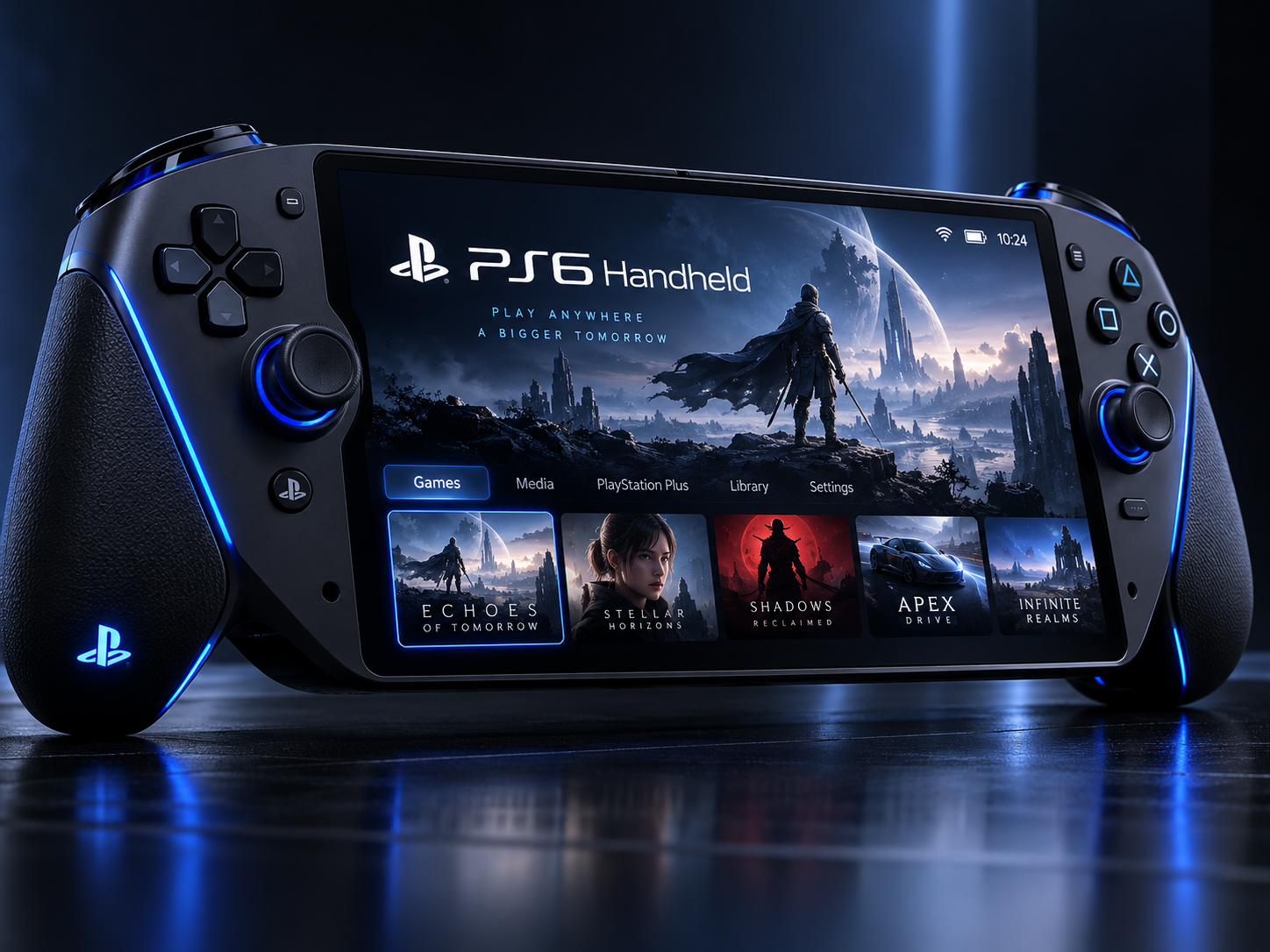
PS6 Price Warning Grows as US Console Sales Plunge
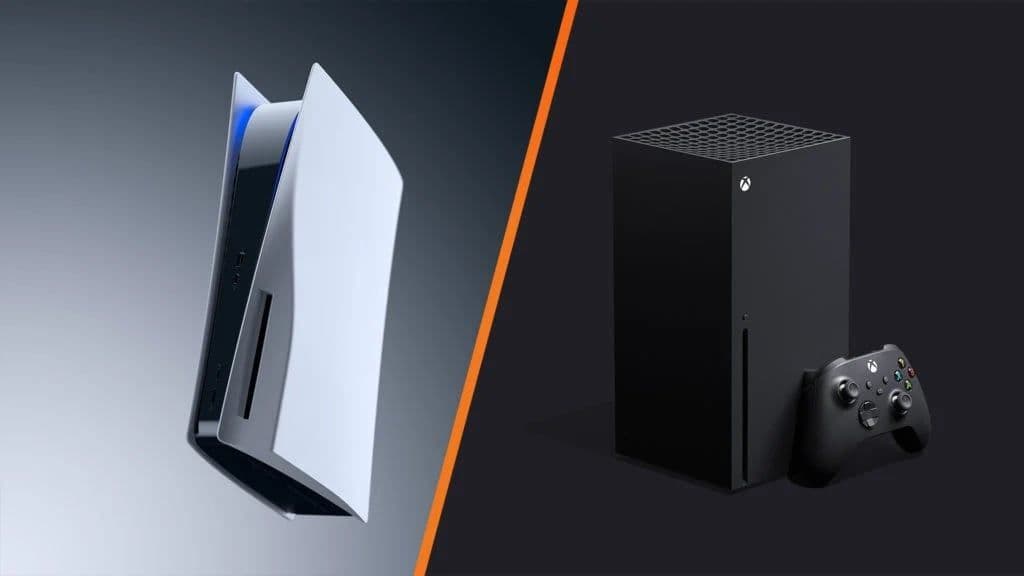
The US console market has delivered one of the clearest warnings yet for the next generation: players are buying fewer PlayStation and Xbox systems as average hardware prices climb to record levels. Circana senior director Mat Piscatella described the market as being in its most precarious position since the early 1980s.
This is current-generation sales data, not a leak about PlayStation 6 or Microsoft's Project Helix. Even so, it matters because Sony and Microsoft are planning their next hardware around the same households, component market and price sensitivity now putting pressure on PS5 and Xbox Series sales.
A technically impressive PS6 will not be enough if its entry price moves beyond what a mainstream audience will accept. The latest figures turn affordability from a theoretical launch concern into a measurable market risk.
What the Circana Data Shows
According to VGC's report on Circana's latest US retail tracking, Xbox hardware unit sales were down 33% year to date through August 2026 compared with the same period a year earlier. Circana says that is an all-time low for Xbox in the US.
PlayStation hardware units were down 25% over the same period, taking the brand to its lowest US level since 2013. That comparison covers units rather than revenue, so it tells us how many systems consumers bought rather than simply how much money they spent.
The average price paid for a new Xbox reached $529, up 26% year on year. For PlayStation, the average reached $597, up 20%. Circana says both are record US highs, creating a stark combination: fewer machines sold at substantially higher average prices.
Price, Not Just Console Age, Is the Warning
PS5 and Xbox Series X|S are mature systems, so some slowdown is normal. Early adopters already own the hardware, cross-generation support reduces the pressure to upgrade, and players can continue using established libraries for years.
Age alone does not explain the severity of the figures, however. Console prices have moved in the opposite direction to the traditional cycle in which ageing hardware becomes cheaper. Microsoft's latest Xbox Series X|S price rise pushed its 1TB disc model to $799.99 in the US, while the average transaction prices measured by Circana show how broadly the increase is being felt.
The result is a difficult value calculation. A household deciding between a premium console, an existing machine, a gaming PC, a handheld or free-to-play games on devices it already owns can delay a purchase without losing access to entertainment. Record average prices make that delay more likely.
Why This Matters for PS6
Sony has not announced the PS6 price, release date or final specification. The Circana figures therefore cannot confirm a launch figure, and they do not prove that Sony will delay the machine or reduce its performance target.
They do show the risk around the upper end of current PS6 price predictions. If PlayStation hardware is already averaging $597 while unit sales sit at their lowest level since 2013, asking a much larger mainstream audience to pay $700, $800 or more for a new generation would require an unusually strong reason to upgrade.
Sony can answer that problem in several ways: a lower-cost digital model, optional disc hardware, aggressive trade-in offers, continued PS5 support and backwards compatibility that immediately carries a player's library forward. None is confirmed for PS6, but each would reduce the perceived cost of entering the new generation.
What It Means for Project Helix
Microsoft faces an even sharper warning because Xbox unit sales are already at a reported all-time US low. A premium Project Helix console could still target enthusiasts, but an expensive flagship alone would struggle to rebuild a mass-market hardware audience.
Microsoft has described its next generation as a family of devices spanning console, PC and portable experiences. That approach could provide different entry points, but it also makes pricing and positioning more complicated. Consumers need to understand what each device does, which games it runs and why it offers better value than keeping an existing Xbox or buying a PC.
The sales decline also reinforces the concern examined in our PS6 and Xbox Helix memory-cost analysis. If expensive RAM, storage and processors force higher launch prices, both platform holders may have to choose between accepting lower margins, reducing specifications or selling fewer machines.
Could GTA 6 Reverse the Slide?
Piscatella suggested that the major game arriving in November could ease some of the decline, an apparent reference to Grand Theft Auto VI. A release with exceptional purchase intent can persuade people who have waited through most of a generation to buy hardware at last.
That outcome is not guaranteed. VGC reports that the boost will depend partly on console availability amid RAM and component pressure. A blockbuster can increase demand, but it cannot turn a record-high hardware price into an affordable purchase for every household.
For PS6 and Helix, the broader lesson is that launch software matters most when it demonstrates a benefit that existing hardware cannot deliver. Cross-generation games can expand sales, yet they also make it easier for players to postpone a costly upgrade.
The Industry Was Already Expecting Hardware Pressure
Circana's 2026 US games-market forecast had already warned that rising RAM, GPU, CPU and storage costs could constrain hardware availability and affordability. It also noted that younger players are shifting more heavily towards PC and mobile.
The latest sales figures are important because they provide real market evidence alongside that forecast. Component inflation can hurt manufacturers twice: it raises the cost of building a console and, when passed to buyers, reduces the number of people willing or able to purchase one.
Sony and Microsoft therefore have to design for cost as carefully as they design for performance. Efficient chips, sensible storage configurations and scalable models may matter as much to the size of the next-generation audience as headline graphics features.
What the Data Does Not Prove
The figures do not establish that the console business is collapsing, that PS6 will fail or that dedicated hardware is disappearing. They cover the US market through August 2026 and focus on current PlayStation and Xbox unit sales during an unusually expensive late-generation period.
They also do not reveal the final bill of materials, subsidy strategy or retail price for either next-generation platform. Any precise PS6 or Helix price remains an estimate until Sony or Microsoft announces it.
What the data proves is narrower but still important: consumers are resisting record console prices now. The companies building the next generation have been given a clear warning that performance gains must arrive with a credible, understandable route to ownership.