Xbox Helix Development Is Getting Easier, Microsoft Says
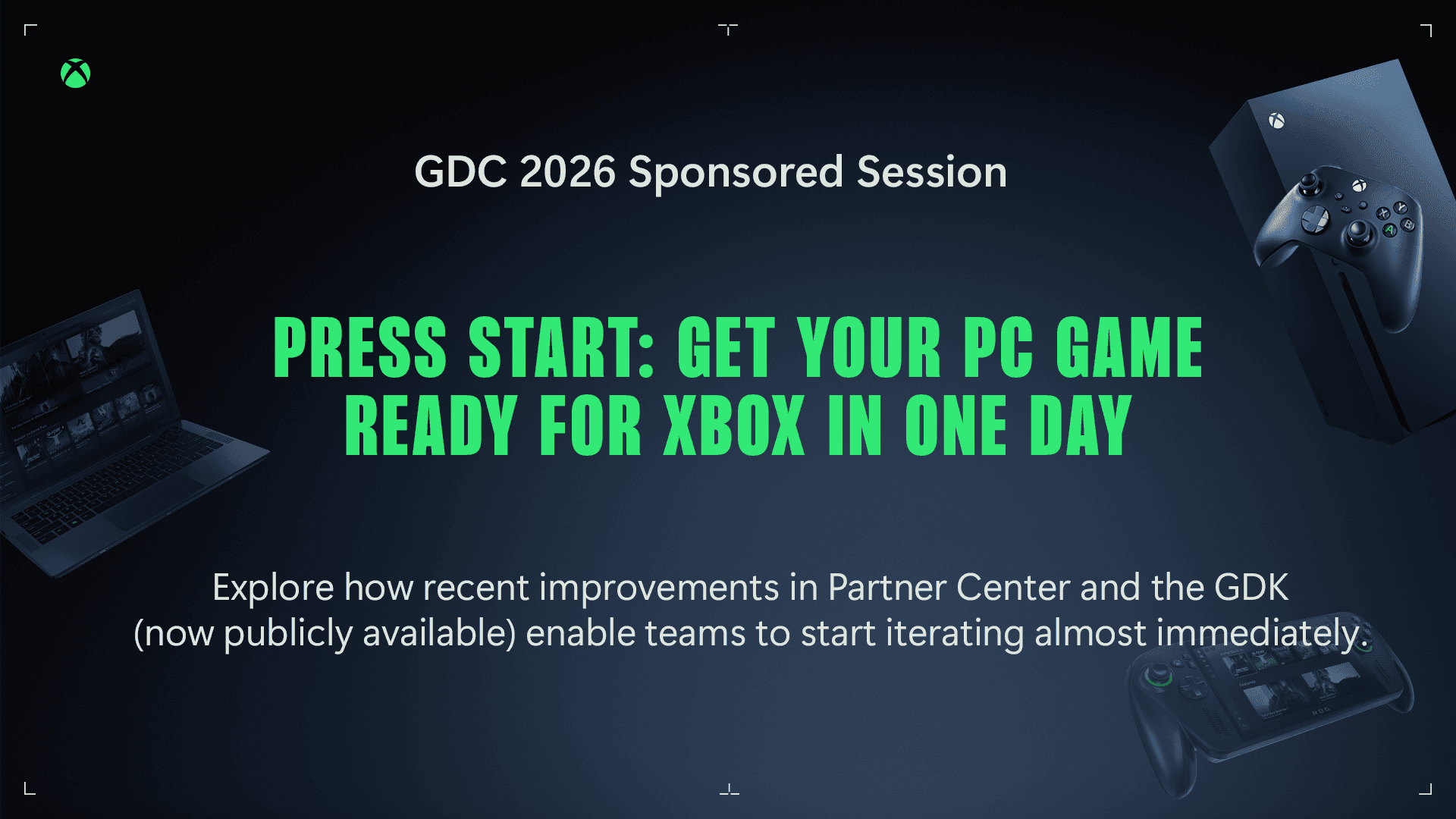
Microsoft is promising another round of changes intended to make bringing games to Xbox easier, and the timing matters for Project Helix. Xbox CTO Scott Van Vliet said the company has heard developer complaints and is starting with the concept and publishing processes that can create unnecessary friction.
The immediate announcement is about development workflow rather than new hardware. However, Project Helix is designed to bring Xbox console and PC games closer together, while Xbox leadership now describes the next generation as a family of devices. A simpler route from project approval to shipping could therefore become part of the platform’s competitive case against PS6.
The latest commitment was reported by Windows Central on 8 October 2026. Microsoft has not yet published a timetable or complete list of changes, so the practical effect will depend on the details still to come.
What Microsoft Has Announced
Van Vliet identified concept submission and publishing as the first areas Microsoft plans to simplify. Those stages determine how a game enters the Xbox pipeline, how a developer establishes a publishing relationship and how the project progresses towards release. Reducing administration here can matter as much to a small independent studio as shaving minutes from a build process.
The statement is deliberately broad. It does not announce lower certification standards, automatic approval or the removal of technical requirements. Xbox games will still need to meet platform rules for stability, security, user accounts, networking, achievements and store presentation.
A separate report from an internal Xbox town hall adds important next-generation context. Windows Central says Xbox leadership is simplifying its development target and streamlining publishing APIs across Xbox Series X|S, Xbox PC and Project Helix. That is the clearest reason to view the announcement as part of the Helix platform plan rather than an isolated improvement for the current console.
The Developer Pipeline Was Already Changing
Microsoft began rebuilding the Xbox development journey before this latest statement. Its official Xbox development update says a studio can now reach a working development environment in about 30 minutes, compared with roughly 30 days two years earlier. Modular onboarding also lets teams begin technical work while publishing approval continues on a separate track.
The company says automated agreements have reduced handling time by more than 90%, while Xbox Game Development Kit documentation and samples are publicly available without requiring an NDA. For PC projects, the GDK now behaves like a standard x64 project instead of demanding a separate platform target.
Build iteration has been targeted too. Microsoft reports full-package upload speeds between two and 13 times faster, with delta uploads around 2.5 times faster. Validation during packaging is designed to catch common certification problems before submission, potentially reducing the expensive cycle of uploading, waiting and correcting a rejected build.
Why This Matters for Project Helix
Project Helix is expected to span more hardware types than a conventional single-console launch. Xbox has discussed a first-party home console at the centre of the generation, alongside options for players on the go and hardware partnerships where another manufacturer is better placed to build the device. Our guide to the Xbox Project Helix family of devices explains what Microsoft has confirmed and what remains open.
That strategy creates a difficult developer problem. A game may need to scale across a high-performance living-room machine, Windows PCs with widely different components and one or more portable devices with tighter power and thermal limits. Separate tools, APIs and certification paths for each target would increase cost and make smaller studios more likely to support only the most commercially attractive hardware.
A unified development target could reduce that burden. Shared services for identity, saves, matchmaking, commerce and deployment would let teams spend more time on performance profiles, interface design and device-specific testing. It would not make every game automatically compatible, but it could make a multi-device Helix release more realistic. That is an inference from Microsoft’s platform direction, not a confirmed promise of one-build deployment.
PlayFab and Play Anywhere Form the Service Layer
Microsoft is also using services to connect games across devices. PlayFab Foundation Mode gives qualifying games that ship through Xbox access to core cross-platform services without an additional charge. These include matchmaking, game saves, economy systems, analytics and live-operations tools.
The significance for Helix is continuity. A portable system and a home console feel like one platform only when progress, identity, purchases and multiplayer communities move cleanly between them. Xbox Play Anywhere already provides a consumer-facing model in which supported console and PC versions share ownership and saves.
This service layer complements the hardware and operating-system work covered in our Xbox Helix PC-games explainer. It also helps explain why developer workflow is strategically important: Microsoft needs studios to adopt the common systems before a broad family of devices can deliver a consistent experience.
What Developers Still Need to Know
Microsoft has not described exactly how concept approval will change, which certification checks will be automated or whether fees and revenue terms will be revised. It has also not explained how developers will test performance across the full Helix range or whether every device will share an identical feature set.
The 2027 developer-alpha plan is therefore the next major checkpoint. Studios will need representative hardware, reliable profiling tools and clear minimum specifications early enough to optimise launch software. A simpler sign-up process cannot compensate for late dev kits or uncertain performance targets.
The company must also prove that its tools work for developers outside the largest publishers. Open documentation and faster onboarding are useful, but sustained support, discoverability and predictable certification determine whether independent teams can afford to ship and maintain an Xbox version.
What It Means for the PS6 Competition
Sony and Microsoft are approaching the next generation from different public positions. Sony has shared future graphics research with AMD, while Microsoft has formally named Project Helix and is talking more openly about cross-device software, Windows integration and developer hardware. The PS6 versus Xbox Magnus comparison tracks the reported silicon claims, but tools and deployment costs may prove just as important as raw specifications.
If Microsoft can make one Xbox project easier to ship across console, PC and portable hardware, Helix could appeal to publishers seeking a wider audience from a single technical investment. If the process remains fragmented or certification continues to cause delays, the family-of-devices promise could instead increase complexity.
For now, the evidence supports a measured conclusion: Xbox has acknowledged developer friction, has already delivered quantifiable onboarding and build improvements, and says more publishing changes are coming. It does not yet prove that Helix will be easier to develop for than PS6, but it reveals a concrete problem Microsoft wants solved before the next generation reaches studios.