PlayStation Portal OLED Leak: Two Sony Models Certified
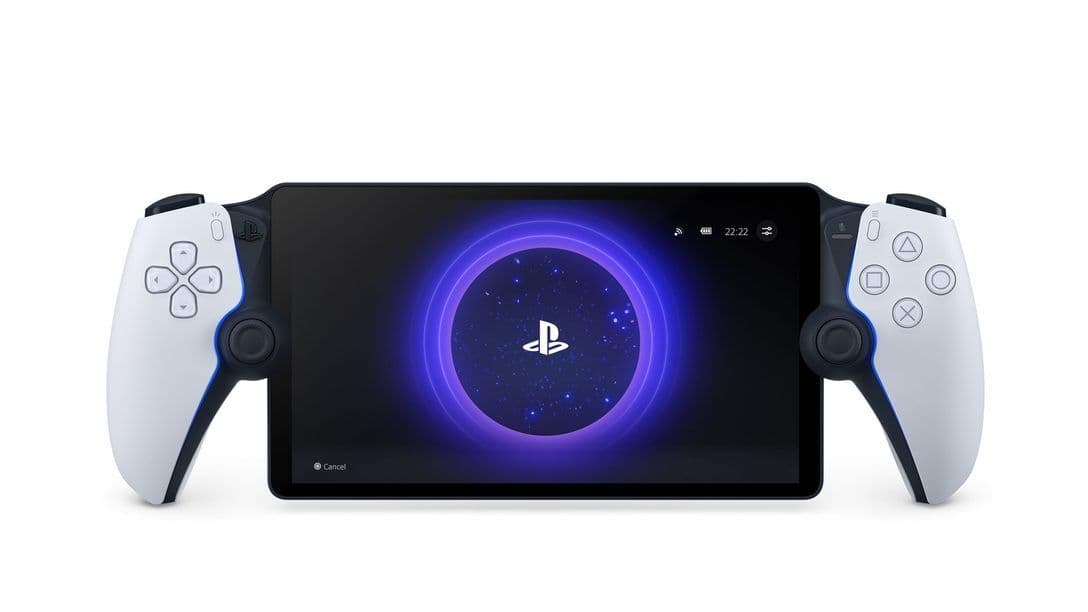
Sony has certified two unannounced PlayStation devices, creating the strongest public evidence yet that new handheld-style hardware is moving through the company’s pipeline. The products carry model numbers CFI-Y2000 and CFI-Y2105 and were approved by the Wi-Fi Alliance on 21 September 2026.
The numbering and Android software make a revised PlayStation Portal the most plausible explanation. However, the certificates never use the Portal name, reveal a display type or mention PlayStation 6. Claims that this is definitely an OLED Portal—or Sony’s rumoured native PS6 handheld—go beyond the evidence.
What the Sony Certificates Confirm
The Wi-Fi Alliance certificate for CFI-Y2105 lists Sony Interactive Entertainment as the manufacturer and describes the product generically as a “Computer Entertainment System”. Its category is Gaming, Media & Music, with Gaming Console/Peripherals as the sub-category.
The document names Android 15 as the operating system and records support for 2.4GHz and 5GHz networking. The radio configuration is 1x1 for both transmission and reception, while the certification list includes 802.11ac—commonly marketed as Wi-Fi 5—but no 6GHz band.
CFI-Y2000 received a matching certification on the same date. Neither filing gives a retail name, processor, memory capacity, storage figure, battery size, price, release date or display specification.
Why a New PlayStation Portal Looks Likely
The original PlayStation Portal uses CFI-Y1000-series model numbers, including CFI-Y1001 in North America and CFI-Y1016 in parts of Europe. Moving to Y2000 and Y2105 therefore looks like a new generation or substantial revision within the same broad product family.
Android 15 strengthens that interpretation. Portal is built on Android software beneath Sony’s customised interface, whereas the PS5 uses its own console operating system. A device with a Portal-like model number and Android is more likely to be a streaming handheld than a conventional PS5 revision.
There is still room for a less exciting explanation. The two numbers could represent regional versions of one product, and Sony sometimes changes internal components without transforming the customer experience. Certification confirms hardware exists; it does not reveal whether Sony considers it a sequel, a premium model or a manufacturing refresh.
The OLED Claim Is Still a Rumour
Earlier reports claimed Sony was preparing another Portal version with an OLED panel during 2026. The new certificates fit that broad timing, which is why the OLED theory has quickly returned, but the regulatory documents contain no reference to OLED, screen size, resolution, refresh rate or HDR.
An OLED upgrade would make commercial sense. Portal’s current eight-inch 1080p LCD is bright and responsive, while an OLED panel could improve black levels, contrast and perceived image quality without requiring more rendering power from the handheld itself.
That logic is not proof. Sony could retain LCD, improve the battery, change suppliers, reduce production costs or make only internal security and software revisions. Until a retail listing, teardown, regulator photograph or Sony announcement identifies the panel, “PlayStation Portal OLED” remains the correct rumour label—not a confirmed product name.
Wi-Fi 5 May Be the Bigger Clue
A streaming handheld lives or dies by network stability, yet the certificates do not show a major wireless leap. Both products are listed with 1x1 2.4GHz and 5GHz connectivity, with no 6GHz support and no obvious move to a multi-antenna configuration.
That does not mean streaming quality will be identical. Better firmware, antenna placement, video decoding, buffering and power management could still improve the experience. Sony also added a higher-bitrate 1080p mode to the current device in March, proving software changes can raise image quality without replacing the screen.
Even so, anyone expecting Wi-Fi 6E or Wi-Fi 7 should temper expectations. Our PS6 Wi-Fi 7 guide explains why a 6GHz connection and more advanced radio features could help Remote Play in congested homes. The certification currently points towards continuity rather than a networking revolution.
This Is Not Evidence of the PS6 Handheld
PlayStation Portal receives a video stream rendered elsewhere. It can use Remote Play from a PS5 and, for eligible PlayStation Plus Premium users, stream supported games from Sony’s cloud. It does not contain a console-class AMD processor capable of running PS5 software locally.
The rumoured native PlayStation handheld is a different project. Reporting and leaks associated with Canis or Jupiter describe a device with its own CPU, GPU, memory and storage, potentially able to execute compatible PlayStation games without a constant streaming connection. Our PS6 Jupiter handheld rumours guide separates those claims from Sony’s confirmed products.
The new CFI-Y2000 devices do not close that distinction. Android 15 and unchanged-looking wireless hardware point more naturally towards Portal. Nothing in the filing confirms AMD silicon, PS5 compatibility, local game execution or a shared PS6 development target.
Why Sony May Refresh Portal Now
Portal has grown beyond its original role as a PS5 companion. Cloud streaming now lets Premium subscribers access supported games without connecting to their own console, making the hardware a relatively inexpensive gateway into the PlayStation ecosystem.
Sony said in its March 2026 Portal update that monthly Cloud Streaming users had risen 162% year over year in January and that more than half of Portal users were PlayStation Plus Premium subscribers. Those figures give Sony a clear reason to keep investing in the product line.
A refreshed Portal could also sit beside a future native handheld rather than replace it. Streaming hardware requires far less memory and processing power, allowing Sony to offer a cheaper portable option while a more capable PS6 Portable targets players who want games to run locally.
What the Two Model Numbers Could Mean
CFI-Y2000 and CFI-Y2105 do not necessarily represent two substantially different products. Sony frequently uses related model numbers for regional variants, regulatory requirements, colourways or internal hardware changes.
A base Portal refresh and a premium OLED version are possible, but the certificates do not establish that split. It is equally plausible that Y2000 and Y2105 describe the same core hardware prepared for different territories.
The safest conclusion is narrower: Sony has at least two certified variants of an unannounced Android-based gaming device, and their naming strongly suggests a relationship to Portal. Every detail beyond that remains inference.
What to Watch Before Buying
The next useful evidence would be an official PlayStation announcement, retail database entry or further regulatory filing showing photographs, dimensions, battery data or display information. Those details would reveal whether this is a visible upgrade or a quiet internal revision.
Prospective buyers should watch for the screen technology, wireless standard, battery life, cloud-streaming support, audio compatibility and price. Current Portal owners have no reason to replace their hardware based on certification numbers alone.
For PS6 watchers, the strategic signal matters more than the OLED rumour. Sony appears to be maintaining a low-cost streaming handheld while separately exploring more capable future hardware. That points towards a broader PlayStation ecosystem, but the certificates do not confirm how—or whether—Portal will connect to the PS6 generation.