PS6 News This Week: QSSR, Disc Plans and Helix Reset
PS6 news this week was driven by four developments that affect the next generation without pretending Sony has formally revealed its next console. Physical ownership, hardware cost, Xbox’s internal reset and Sony’s latest AI graphics work all moved into sharper focus.
The strongest confirmed development was Quick Spectral Super Resolution, a Project Amethyst technology now running on the standard PS5. Elsewhere, comments from NIS America and former PlayStation executive Shuhei Yoshida added important context—but neither represents a change in Sony policy.
Microsoft also reorganised major Xbox studios while continuing to promise Project Helix hardware. Here is what changed between 29 September and 2 October 2026, what remains unconfirmed and where the next meaningful evidence may come from.
PS6 Disc Plans Are Still in Play
The week opened with renewed uncertainty around PlayStation’s physical-media strategy. NIS America president Kenzo Saruhashi said Sony is hearing feedback from customers and publishers about its stated plan to stop producing discs for new PlayStation games in January 2028.
Our report on Sony’s PS6 disc plans explains why the comments matter without treating them as a reversal. NIS intends to continue physical limited editions where possible, but Sony has not announced a new deadline, an exemption or a PS6 disc-drive configuration.
The outcome could shape whether PS6 launches as digital-only hardware, offers a detachable drive or preserves physical access mainly for older games. For now, every specific PS6 disc claim remains unconfirmed.
Yoshida Says Sony Should Not Rush PS6
Shuhei Yoshida then argued that Sony should keep the current PlayStation generation running for as long as possible. The former PlayStation Studios president pointed to rising component costs, tighter consumer budgets and limited demand from developers for another immediate hardware jump.
The detailed PS6 launch-cost analysis separates Yoshida’s opinion from Sony’s roadmap. His experience makes the warning significant, but he left Sony in 2025 and does not determine the company’s release schedule.
Sony has already told investors it does not intend to sell future hardware at a significant loss. That makes price, memory supply and manufacturing cost central to PS6 timing, yet no official delay or 2029 launch has been announced.
Xbox Resets While Project Helix Moves Forward
Xbox entered the week with a much larger organisational story. Reporting detailed 268 gaming job cuts and studio changes that move Rare and World’s Edge under Activision while placing Obsidian beneath Bethesda Game Studios.
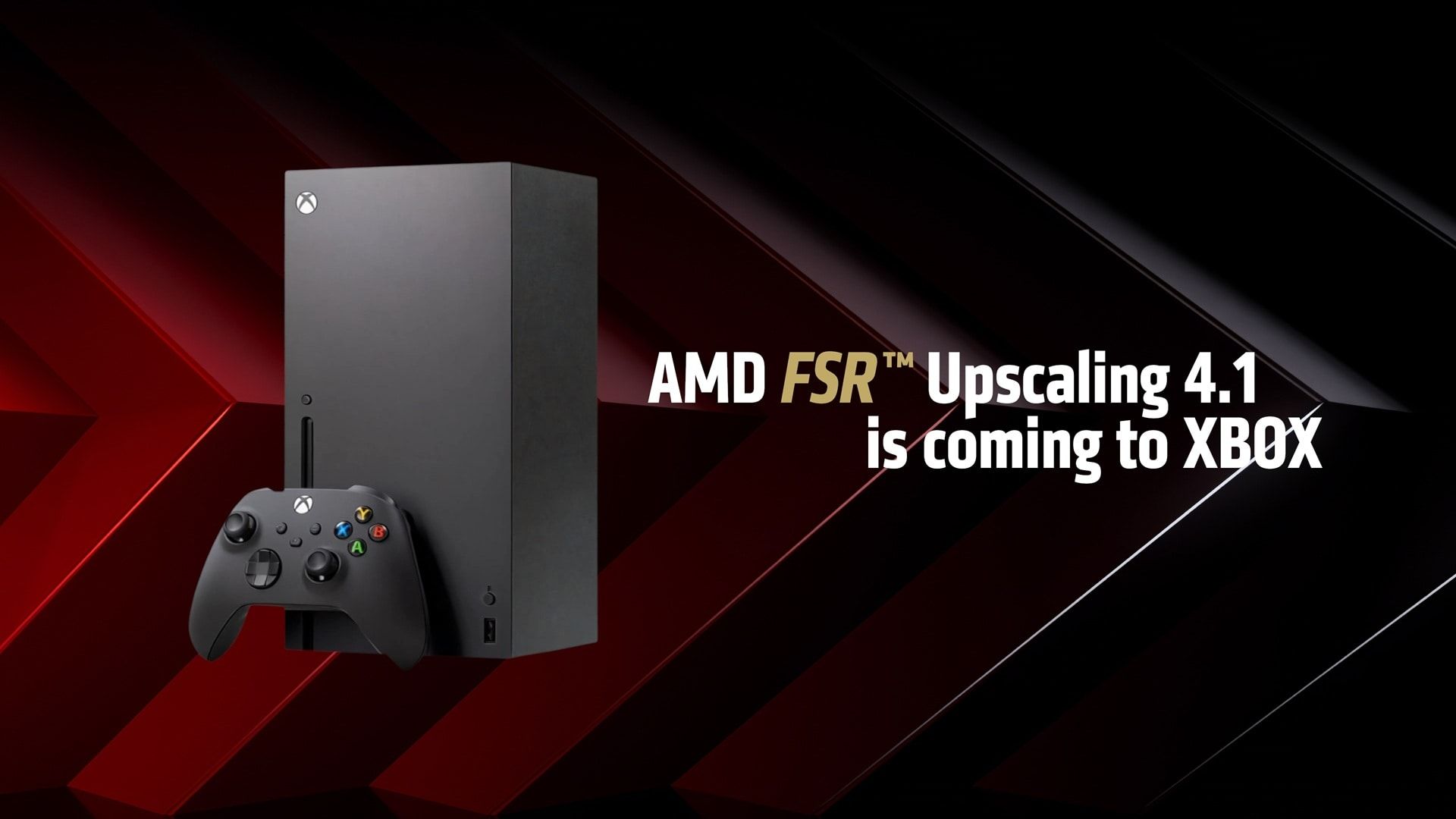
Our Project Helix strategic-reset report examines how those changes could affect first-party output, platform investment and the teams expected to demonstrate Microsoft’s next-generation hardware.
The restructuring does not cancel Helix. Microsoft’s official Project Helix roadmap still promises a custom AMD system-on-chip, support for Xbox console and PC games, four generations of compatibility and alpha hardware for developers beginning in 2027.
Retail models, launch timing, pricing and final specifications remain open. The important distinction is that Microsoft’s hardware programme is confirmed while many details surrounding its future content and subscription strategy are still moving.
QSSR Is the Week’s Biggest Technical Signal
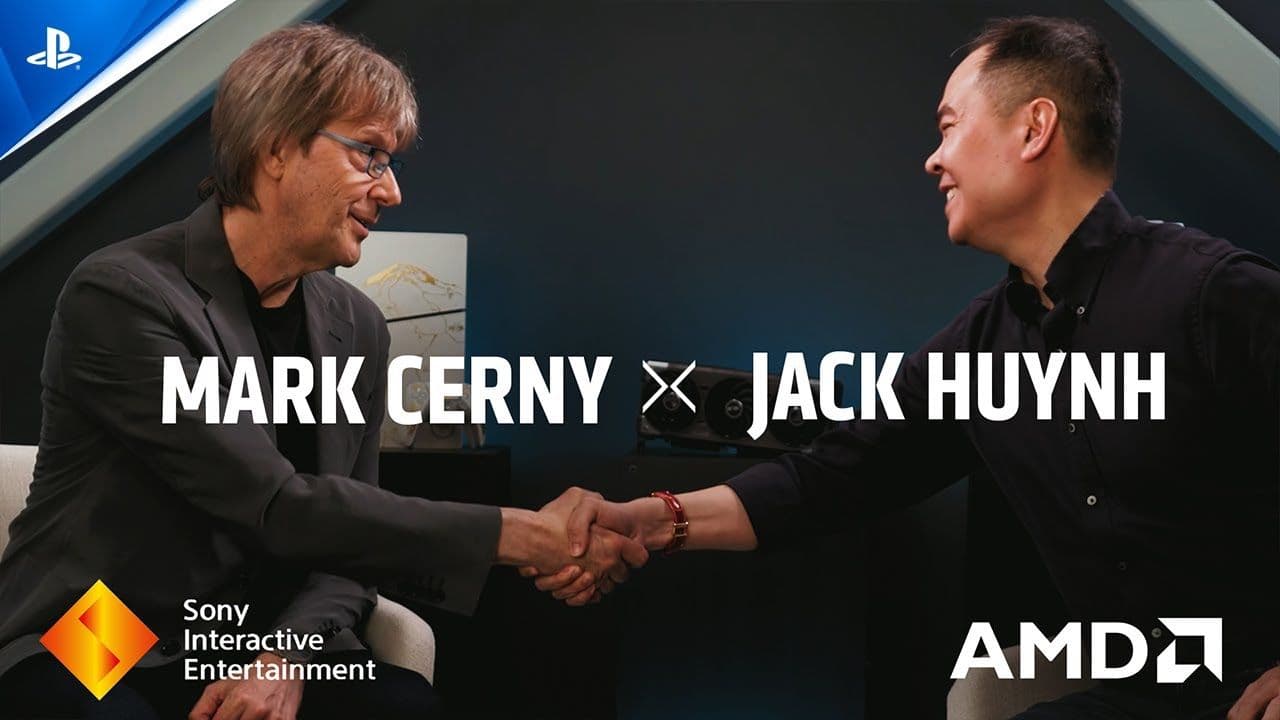
Sony’s most concrete technical development arrived on 1 October. Quick Spectral Super Resolution brings AI-guided upscaling to the standard PS5 through a lighter neural network and an implementation tuned for hardware without PS5 Pro’s dedicated machine-learning acceleration.
The PS6 graphics and QSSR analysis covers the early performance measurements, the practical difference between QSSR and PSSR, and why 1440p-class output appears to be the more natural target on the base console.
Sony’s official QSSR announcement confirms that Marvel’s Wolverine and Ghost of Yōtei are the first supported games. The library will be offered broadly to PlayStation developers, potentially giving Sony years of integration data before its next hardware generation.
QSSR is not a confirmed PS6 feature. Its significance is that Project Amethyst has now produced multiple deployable upscaling tiers, showing how Sony and AMD can scale a shared graphics direction across different hardware budgets.
What Actually Changed This Week
Confirmed: Sony has shipped QSSR on the standard PS5, opened the library to PlayStation developers and demonstrated another practical result from Project Amethyst. Microsoft’s published Helix plan also remains active despite the reported Xbox restructuring.
Reported or opinion: NIS America says Sony is considering industry feedback on physical games, Yoshida believes PS6 should wait, and Xbox’s studio changes may alter which teams create flagship Helix software. None of those points confirms a hardware delay or cancellation.
Still unknown: the PS6 name, release date, price, specifications, disc-drive arrangement and handheld plan. The same applies to Project Helix’s final retail models and launch price.
The Direction Is Clearer Than the Hardware
This week strengthened three themes. Sony is treating neural graphics as a scalable platform technology, physical ownership remains unresolved, and launch economics may be as important as raw performance.
Microsoft faces a different challenge: it has revealed more of its next-generation platform strategy, but must prove that a reorganised Xbox operation can supply the software, services and developer support needed to make Helix compelling.
Readers following the wider technical picture can use our PS6 graphics guide and PS6 versus Xbox Magnus comparison to separate official direction from unverified hardware claims.
What to Watch Next
The most valuable next update would be primary evidence: a new Sony or AMD technology briefing, confirmed developer documentation, a manufacturing disclosure or an investor statement that directly changes the release outlook.
QSSR adoption is now worth tracking closely. Third-party support, image-quality results across different engines and the processing cost on base PS5 will reveal how mature Sony’s shared reconstruction stack has become.
Until Sony formally presents PS6, the responsible approach is to follow the technologies, costs and policies surrounding the machine while clearly labelling every leak and inference. This week provided meaningful progress—but not a console reveal.