PS6 News This Week: Chips, AI Graphics and Helix Discs
The next console generation moved from broad strategy to more specific — but still largely unconfirmed — hardware claims this week. Reports said the PS6 and Xbox Project Helix chips have reached tape-out, while alleged compute figures sharpened the early comparison between Sony and Microsoft.
The more reliable signals came from the technologies surrounding those boxes. Sony’s PSSR work, Microsoft’s confirmed DirectX and FSR Next plans, questions over frame generation and a reported Helix disc survey all show where the next-generation battle is forming: efficiency, compatibility and flexibility rather than raw specifications alone.
PS6 and Helix Chips Reportedly Reach Tape-Out
The week’s biggest hardware claim was that the custom chips intended for PS6 and Project Helix have completed tape-out. Tape-out means a chip design has reached the stage where manufacturing preparation can begin; it is an important milestone, but it does not mean finished retail silicon is rolling off production lines.
The report also attached alleged compute figures of roughly 40 TFLOPS for PS6 and 56 TFLOPS for Helix. Sony and Microsoft have not verified either figure, and architectural differences make a simple TFLOPS comparison especially unreliable across generations. Our detailed PS6 and Helix tape-out report separates the reported milestone from the unconfirmed performance claims.
For now, the safest conclusion is that both platform holders appear to be progressing towards manufacturable designs. Release timing, clock speeds, final configurations, yields and retail prices can still change after tape-out.
AI Graphics Becomes the Real Battleground
Sony and Microsoft are both building their future graphics strategies around machine learning. Sony’s upgraded PSSR work provides the clearest public glimpse of its direction, while Microsoft has officially confirmed that Project Helix is being co-designed with AMD for next-generation DirectX and FSR capabilities.
Our FSR Next versus PSSR analysis explains why reconstruction quality could matter more than a headline resolution number. Better temporal stability, cleaner fine detail and lower processing cost can free hardware resources for lighting, simulation and more consistent performance.
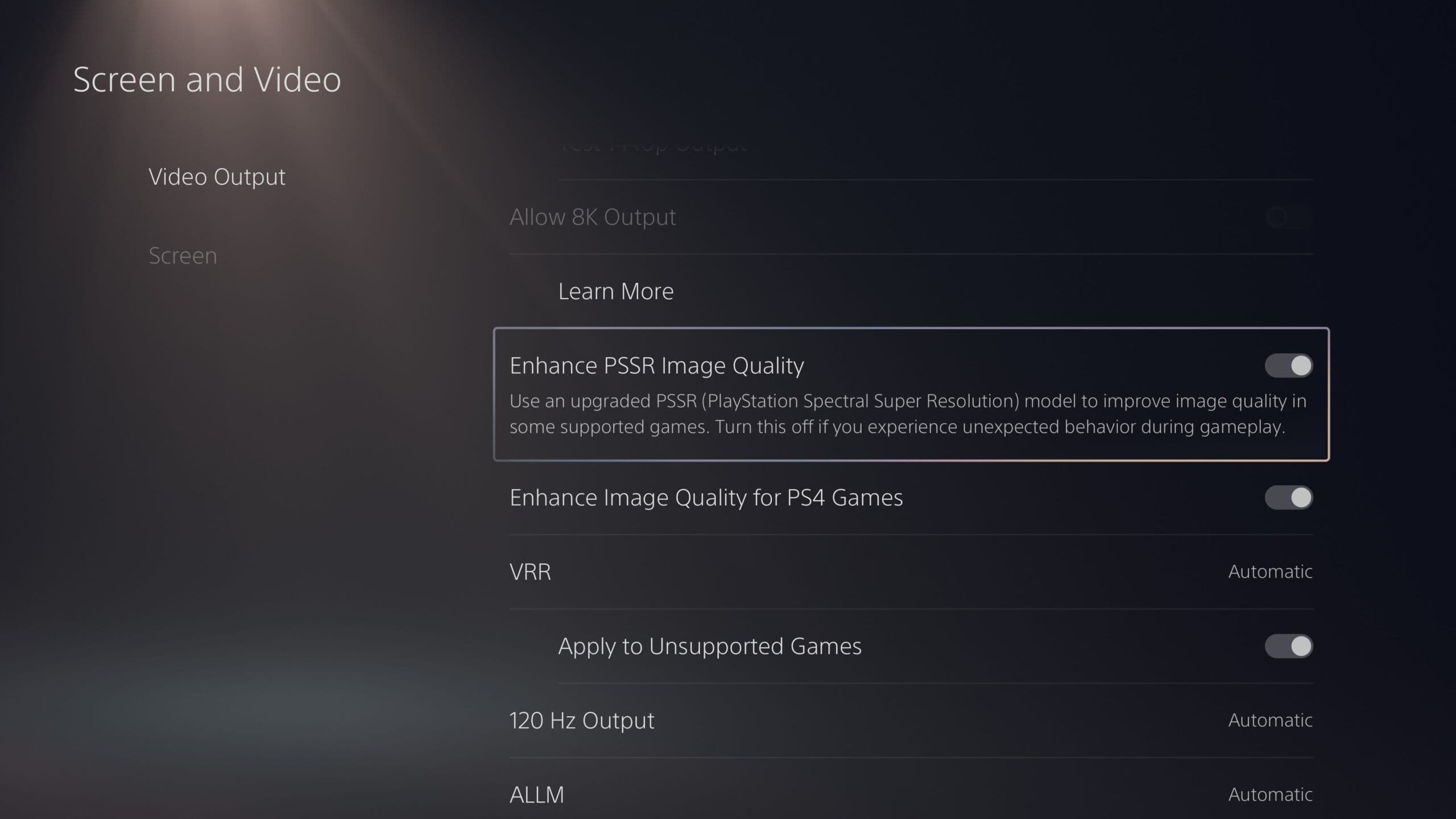
Sony’s official upgraded PSSR announcement confirms a new neural network and algorithm for PS5 Pro. It does not confirm a PS6 feature set, but the Project Amethyst partnership with AMD makes machine-learning graphics one of the strongest evidence-backed directions for future PlayStation hardware.
Frame Generation Must Solve Latency
Reconstruction is only part of the discussion. Frame generation can insert predicted images between conventionally rendered frames, making motion appear smoother without asking the GPU to produce every displayed frame from scratch.
The trade-off is that generated frames do not represent a new simulation step or newly processed controller input. Our PS6 frame-generation guide examines why base frame rate, input response, frame pacing and image stability will matter more than a doubled frame counter.
Sony has not announced PS6 frame generation or a product called PSSR 3.0. The technology is plausible within the wider AMD partnership, but any claim about a named PS6 feature remains speculation until Sony presents it.
Helix Pushes Xbox and PC Closer Together
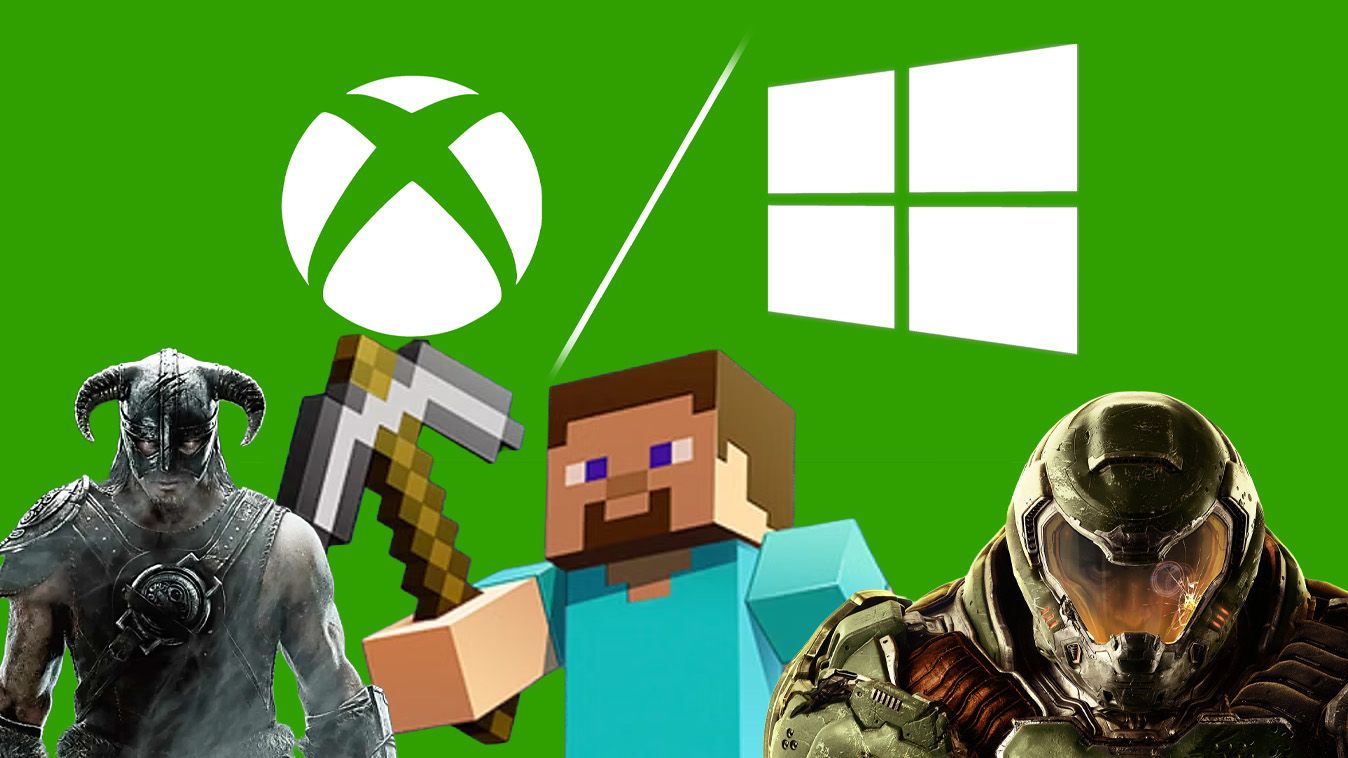
Microsoft has provided more official next-generation detail than Sony. Project Helix is designed to play Xbox console and PC games, uses a custom AMD system-on-chip and will receive alpha hardware for developers beginning in 2027.
That makes software compatibility and operating-system design central to the machine. Our Project Helix DirectX and PC games explainer looks at how a console-like experience could coexist with the openness of Windows, and why storefront access remains a separate question from PC-game compatibility.
Microsoft’s official Helix announcement also promises support for games from four Xbox generations. That preservation commitment is confirmed; exact retail models, prices and launch timing are not.
Physical Games Remain an Open Question
A reported Xbox Insider Hub survey asked players to rate how important it is for the next-generation Xbox to install games from a physical disc. The wording suggests Microsoft is testing demand, but a survey is not confirmation of a built-in drive, detachable accessory or continuing boxed releases.
The Project Helix disc-drive survey report explains the possible outcomes. A disc reader could support older libraries even if new releases become more digital, while Microsoft’s disc-to-digital programme could provide another route for supported physical purchases.
For players, the real issue is not nostalgia. Disc support affects resale, lending, offline access, backward compatibility and confidence that a purchased library will survive hardware transitions.
Connectivity Is Part of the Platform
The week also brought a deeper look at Wi-Fi 7 and what it could offer a future PlayStation. Higher aggregate capacity and improved handling of busy wireless environments could help downloads, Remote Play and local streaming, although internet latency will still depend heavily on the route beyond the home network.
Our PS6 Wi-Fi 7 guide compares the standard with PS5’s Wi-Fi 6 support and explains why router compatibility matters. Sony has not confirmed PS6 wireless specifications, so Wi-Fi 7 remains a reasonable expectation rather than an announced feature.
What Actually Changed This Week
The reported tape-out is the largest potential milestone, but it remains a leak. The confirmed direction is clearer than the final specifications: Sony and Microsoft are investing in AMD-based machine-learning graphics, stronger reconstruction, improved ray tracing and compatibility across existing libraries.
Microsoft is also defining Helix as a bridge between console and PC, while continuing to test how physical ownership fits into that plan. Sony has revealed less about its next machine, leaving Project Amethyst and upgraded PSSR as the strongest official clues.
The next major shift will require primary evidence: silicon details from Sony or Microsoft, developer documentation, confirmed retail hardware or a formal reveal. Until then, the useful work is separating credible technical direction from numbers that may change long before launch.