Discord Awaits GTA 6 Leak Subpoena From Take-Two
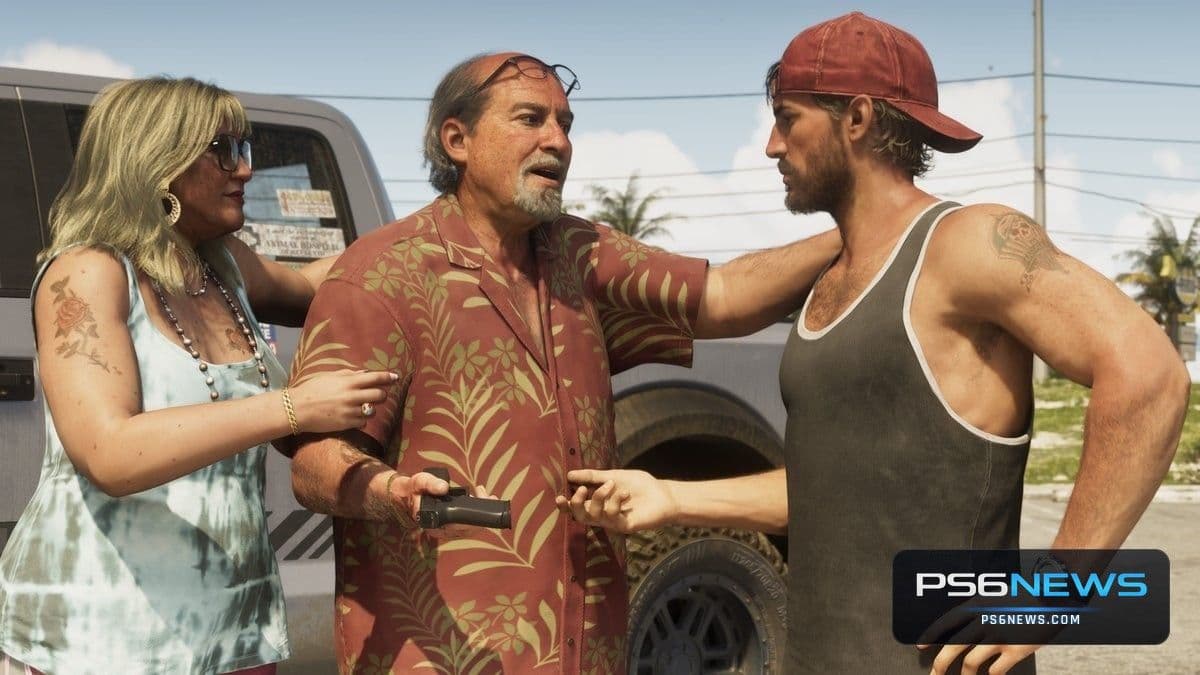
According to Rock Paper Shotgun, Discord has confirmed it has not yet been served with any subpoena from Take-Two Interactive connected to the GTA 6 leaks attributed to CyberLeek. Marketing director Ryan Rigney made clear that the messaging platform remains free of such legal demands at present, while stressing that the firm will carefully evaluate both the validity and the scope of any request should one arrive. The statement lands amid intense industry focus on intellectual property protection as Rockstar Games prepares its next major release. Players and platform operators alike are watching how private chat services respond when publishers pursue leak-related evidence across community servers.
The core development centres on Take-Two seeking extensive user data drawn from specific Discord servers, with the requested records stretching back to June 2026. That breadth has already sparked privacy worries among observers who question how much personal information a civil subpoena should compel platforms to surrender. Discord’s public posture remains deliberately measured rather than confrontatory, leaving open the possibility of cooperation once legal review is complete. Meanwhile Microsoft has signalled a more immediate collaborative stance with both Take-Two and Rockstar, underscoring divergent corporate approaches to the same intellectual property dispute.
Discord’s Measured Legal Stance
Ryan Rigney’s comments position Discord as a company that will not automatically comply with every demand simply because a major publisher issues it. By emphasising an evaluation of validity and scope, the marketing director signalled that Discord intends to test whether the subpoena’s reach is proportionate and properly grounded in law before releasing any user material. Such language is standard among large platforms that must balance legal obligations against user-trust commitments, yet it also buys time for internal counsel to map exactly which data categories fall inside or outside legitimate discovery. The absence of a served subpoena so far means Discord currently holds no formal duty to act on Take-Two’s wider campaign.
That holding pattern matters because the alleged CyberLeek activity apparently involved community channels where players and leakers may have exchanged screenshots, build details or speculation. Platforms that host those conversations face growing pressure to become de-facto enforcement arms for entertainment conglomerates. Discord’s insistence on first assessing scope suggests it wants to avoid setting a precedent of wholesale data dumps whenever a high-profile title is compromised. The company’s silence on whether it has already preserved relevant logs leaves open the practical question of how much material would even remain available if a valid order eventually lands.
What the Subpoenas Actually Seek
Reports indicate the subpoenas target extensive user data from named Discord servers and reach back to June 2026, a window that captures months of potential discussion around early GTA 6 material. Such a long look-back period raises the practical likelihood that ordinary fans who never leaked anything could still appear in production logs simply because they joined or posted inside the monitored communities. Metadata, message content, IP-linked accounts and friend graphs all become potential exhibits once a platform is compelled to produce records. Privacy advocates have long argued that civil discovery aimed at a handful of wrongdoers often sweeps up thousands of uninvolved users whose only offence was participating in public chatter.
The sheer volume of data requested also complicates Discord’s eventual response calculus. Evaluating validity may involve challenging over-broad date ranges, demanding tighter server identifiers, or insisting on judicial narrowing before any export begins. Scope review could further require distinguishing between public channel posts and private direct messages, a distinction that carries heavy weight under data-protection regimes in both Europe and parts of the United States. Until Discord actually receives the paperwork, however, these remain hypothetical exercises rather than active legal battles, leaving the platform free to observe how other companies handle parallel demands.
Microsoft’s Contrasting Cooperation
While Discord waits, Microsoft has already indicated it is working closely with Take-Two and Rockstar to protect intellectual property tied to the same leak episode. That early alignment stands in sharp relief against Discord’s more cautious public messaging and illustrates how different platform owners weigh brand relationships against user-privacy optics. Microsoft’s gaming division maintains deep commercial ties to first-party and third-party publishers alike, making swift cooperation a lower-friction choice when high-value IP is at stake. The contrast also reminds the industry that not every technology firm will adopt identical postures when served with leak-related legal process.
Observers note that Microsoft’s willingness to collaborate may accelerate Take-Two’s overall evidence-gathering timeline even if Discord later contests portions of any subpoena it receives. Parallel production from multiple platforms can create overlapping datasets that strengthen a publisher’s civil case or help identify accounts that span services. For Discord, the existence of a cooperative peer may increase external pressure to move quickly once a formal demand arrives, yet it does not legally compel premature disclosure. The divergent strategies therefore leave the gaming public with two visible models of corporate response: proactive partnership versus deliberate legal scrutiny.
Privacy Concerns Across Gaming Communities
The prospect of extensive historical server data landing in a publisher’s hands has unsettled many Discord users who treat the platform as a semi-private social space rather than a public archive. Even when leaks originate from a small circle, the collateral collection of chat logs can expose personal conversations, real-life identifiers and unrelated banter that participants never expected to surface in a courtroom exhibit. Those privacy concerns intensify when the requested period stretches across several months, because casual members who joined after any leak window still risk inclusion if they remain in the same servers. Trust erosion of this kind can push communities toward encrypted alternatives or self-hosted solutions that are harder for rights holders to subpoena.
Platforms that host gaming discussion now confront a structural tension between facilitating fan culture and becoming discovery targets whenever a blockbuster title is compromised. Discord’s promise to evaluate scope offers a partial reassurance that blanket requests will face internal push-back, yet the ultimate decision still rests with courts and the precise wording of any order. Users cannot assume that marketing-director statements alone will shield their message history. The episode therefore functions as a live case study in how far civil intellectual-property enforcement can reach into everyday multiplayer social infrastructure without clearer statutory limits on data volume and retention.
Wider Industry Stakes Around GTA 6 Leaks
GTA 6 remains one of the most closely guarded entertainment properties of the decade, so any confirmed leak carries outsized commercial and reputational weight for Take-Two and Rockstar. Publishers have grown increasingly aggressive in tracing digital breadcrumbs across chat apps, cloud storage and social networks after earlier high-profile incidents demonstrated how quickly unfinished assets can circulate. The CyberLeek attribution simply supplies a named vector that rights holders can pursue through formal process rather than informal takedown notices. That shift from reactive content removal to proactive user-data demands marks a hardening of industry enforcement tactics that other studios are likely to copy when their own unreleased titles surface online.
For platforms, the pattern creates recurring compliance costs and recurring public-relations dilemmas. Each new subpoena forces legal teams to weigh the risk of alienating gamers against the risk of alienating powerful publishers who may also be advertising or partnership clients. Discord’s current free hand—because no papers have yet been served—gives it a temporary buffer to refine internal playbooks before the next wave of demands arrives. Whether that buffer survives the coming weeks depends entirely on Take-Two’s litigation calendar and on how quickly the publisher decides to expand its discovery net beyond the parties already cooperating.
What This Means for PS6
Although the immediate dispute concerns a Rockstar title rather than any PlayStation hardware launch, the legal mechanics on display will shape the environment in which PS6-era exclusives and multi-plats are protected. Sony and its first-party studios will watch closely how platforms handle broad historical data requests, because similar leak scenarios could easily engulf upcoming PS6 showcases or timed console exclusives. A precedent that normalises multi-month server dumps may encourage more aggressive discovery against any community hub where early footage or design documents circulate, raising the compliance burden on every major chat and social layer gamers use. Conversely, if Discord successfully narrows scope, future platform owners—including those integrated with PlayStation Network social features—gain a template for resisting over-reach while still assisting legitimate IP enforcement. Players who plan to discuss next-generation titles on third-party servers should therefore treat today’s GTA 6 episode as a preview of the privacy trade-offs that will accompany the entire PS6 generation.
The episode also underscores that console ecosystems no longer exist in isolation from cross-platform chat services. When a leak investigation spans Discord, Microsoft properties and potentially other networks, evidence trails can intersect with PlayStation users who simply joined the wrong server at the wrong time. Sony’s own trust-and-safety posture around PS6 launch windows may need to anticipate parallel civil demands that reach into partner platforms. Clearer user guidance on data retention, server moderation and the limits of anonymity will become part of responsible community management as the next hardware cycle approaches. In short, the quiet legal chess match between Take-Two and Discord is already writing rules that every major platform—and every gamer who chats on them—will live with once PS6 arrives.