Project Helix Disc-to-Digital Is Now Live on Xbox
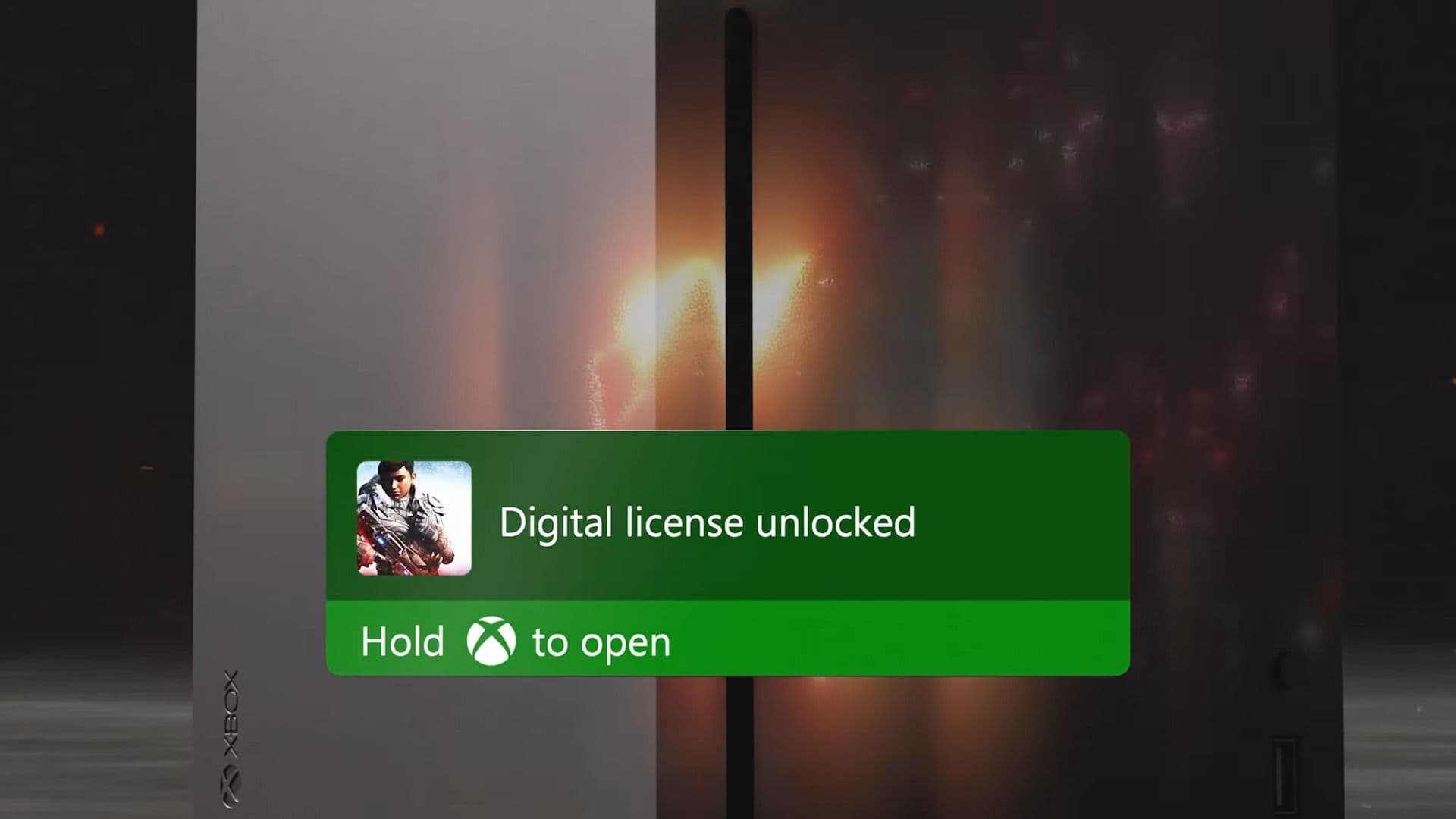
Xbox’s Disc-to-Digital system has moved beyond its Insider test and is now available to the wider public, turning a future-facing ownership experiment into a working part of the Xbox ecosystem. Microsoft began the general rollout on 29 September 2026, one month after testers first received access.
That makes the update directly relevant to Project Helix. Microsoft has not confirmed whether its next-generation Xbox will include a built-in optical drive, but it now has a live method for carrying supported physical purchases onto disc-free consoles, PCs, handhelds and cloud devices.
The Insider Test Is Over
PS6News covered the original Xbox Disc-to-Digital announcement when access was limited to Xbox Insiders. The important change is availability: the feature is no longer only a preview for invited testers.
Windows Central reported the public rollout on 30 September, following Microsoft’s release a day earlier. The system supports eligible Xbox One and Xbox Series X games, although individual publishers and technical restrictions still determine which discs qualify.
This is therefore a meaningful platform update rather than confirmation of new Helix hardware. It proves the entitlement system can operate at public scale; it does not reveal the next Xbox’s retail models, launch date, price or optical-drive configuration.
How Disc-to-Digital Works
A player inserts an eligible physical game into an Xbox One or Xbox Series X with an optical drive. Xbox recognises the disc and grants a matching digital entitlement, allowing the supported game to be installed and launched without leaving the disc in the console.
The distinction between conversion and duplication matters. Microsoft is not replacing the physical copy with an unrestricted digital purchase. The entitlement remains associated with the specific disc, while Xbox’s servers track which account currently has access to its digital benefits.
Once granted, that entitlement can be useful beyond the original console. Eligible games may be playable on a digital-only Xbox, streamed through Xbox Cloud Gaming or accessed on Windows and compatible handheld hardware when the title supports Xbox Play Anywhere.
The Licence Follows the Disc
Microsoft’s ownership model is designed to preserve lending and resale. If the disc changes hands, the next owner can claim its digital entitlement; the previous holder can then lose digital access until the disc returns or another licence is purchased.
That safeguard prevents one physical copy from creating multiple permanent digital copies. It also means players should not treat Disc-to-Digital as a free backup that survives selling the game. Xbox Support explains that losing possession of an eligible disc can limit or revoke the associated digital benefits.
For collectors, the result is a hybrid model. The disc remains the transferable ownership token, while the digital entitlement adds convenience and access across more devices. The plastic still matters even when the game is no longer running directly from it.
Coverage Is Broad, Not Universal
Microsoft says most Xbox One and Xbox Series X disc-based games support the programme, but it has not promised complete coverage. Licensing, publishing, technical and manufacturing factors can all prevent a title from qualifying, and compatibility can change over time.
Windows Central cited a community-maintained database counting 1,578 compatible games at the time of its report. That figure is useful as a snapshot, not an official guarantee. Players should check the current Xbox prompt and support information before assuming a specific disc will unlock a digital version.
Delisted games are one of the most interesting cases. Some unavailable storefront titles can regain digital access when a supported physical copy is inserted, but other delisted releases remain excluded. Disc-to-Digital improves preservation only where Microsoft, the publisher and the platform’s compatibility systems can still authorise the game.
What This Changes for Project Helix
The public rollout gives Microsoft a credible answer to one part of the next-generation migration problem. A Helix device without its own drive could still access supported physical purchases after those discs are authenticated on compatible Xbox hardware.
That possibility fits Microsoft’s confirmed plan for Project Helix as a wider Xbox and PC platform, rather than a single isolated box. It also strengthens the case for multiple hardware configurations: one Helix model or accessory could handle disc authentication while slimmer devices rely on digital entitlements.
However, the system does not settle the Project Helix disc-drive question. Players who do not own a current Xbox with an optical drive would still need an official route to authenticate their collection. Microsoft has not said whether Helix will offer a built-in drive, a detachable reader, another Xbox as an authentication device or no new disc hardware at all.
Why PlayStation Owners Should Watch
Sony has not announced a comparable PlayStation disc-to-digital programme. That leaves a sharper question around PS6: if future PlayStation hardware becomes digital-first, how will owners carry forward physical PS4 and PS5 libraries without keeping an older disc-equipped console connected?
The uncertainty matters because Sony’s physical-media strategy is already under scrutiny. Our report on PS6 disc plans and publisher pressure explains why manufacturing policy and backward compatibility are becoming part of the same next-generation ownership debate.
Xbox’s system is not automatically the better answer. It depends on online entitlement checks, title eligibility and continued platform support. But Microsoft now has a functioning mechanism that Sony would need to match, avoid or replace with a different promise for physical PlayStation libraries.
The Questions Microsoft Still Has to Answer
Public availability proves that Disc-to-Digital works as a service, but its long-term value depends on policy. Microsoft needs to explain how authentication will work if current disc-drive consoles fail, whether an external reader will be offered for Helix and how entitlements behave during outages or account disputes.
Publisher participation is equally important. A programme covering most recent discs can still leave damaging gaps if licensed games, niche releases or delisted titles disappear from eligibility. Microsoft should eventually provide a first-party searchable compatibility list rather than leaving players to rely on community tracking.
For now, the responsible conclusion is clear: Disc-to-Digital is live, and that materially improves Xbox’s route from physical ownership to a device-spanning future. It makes an all-digital Helix easier to imagine, but it does not prove Microsoft has chosen one.