Moore's Law Is Dead Fires Back — PS6 Still on Track for 2027 with Ambitious Specs
Controversial but well-connected hardware insider Moore's Law Is Dead has hit back hard at growing rumors that the PlayStation 6 might slip significantly, insisting that Sony's plans for the next-generation console are still firmly on track for a late 2027 launch.
In his recent video updates, the leaker has repeatedly stressed that core development hasn't changed despite ongoing memory shortages, tariffs, and global supply chain pressures. Manufacturing of the key APU is reportedly still slated for mid-2027, which should lead to a consumer release in time for the holiday season or early 2028 at the latest.
Orion: The Heart of PS6
The flagship home console carries the internal codename Orion, part of Sony's new constellation-themed naming, with the rumored dockable handheld going by Canis. According to leaks detailed by Moore's Law Is Dead and explored in depth on What is PS6 Orion?, the system is shaping up as a powerful yet efficient machine built on TSMC's 3nm process with a compact die size.
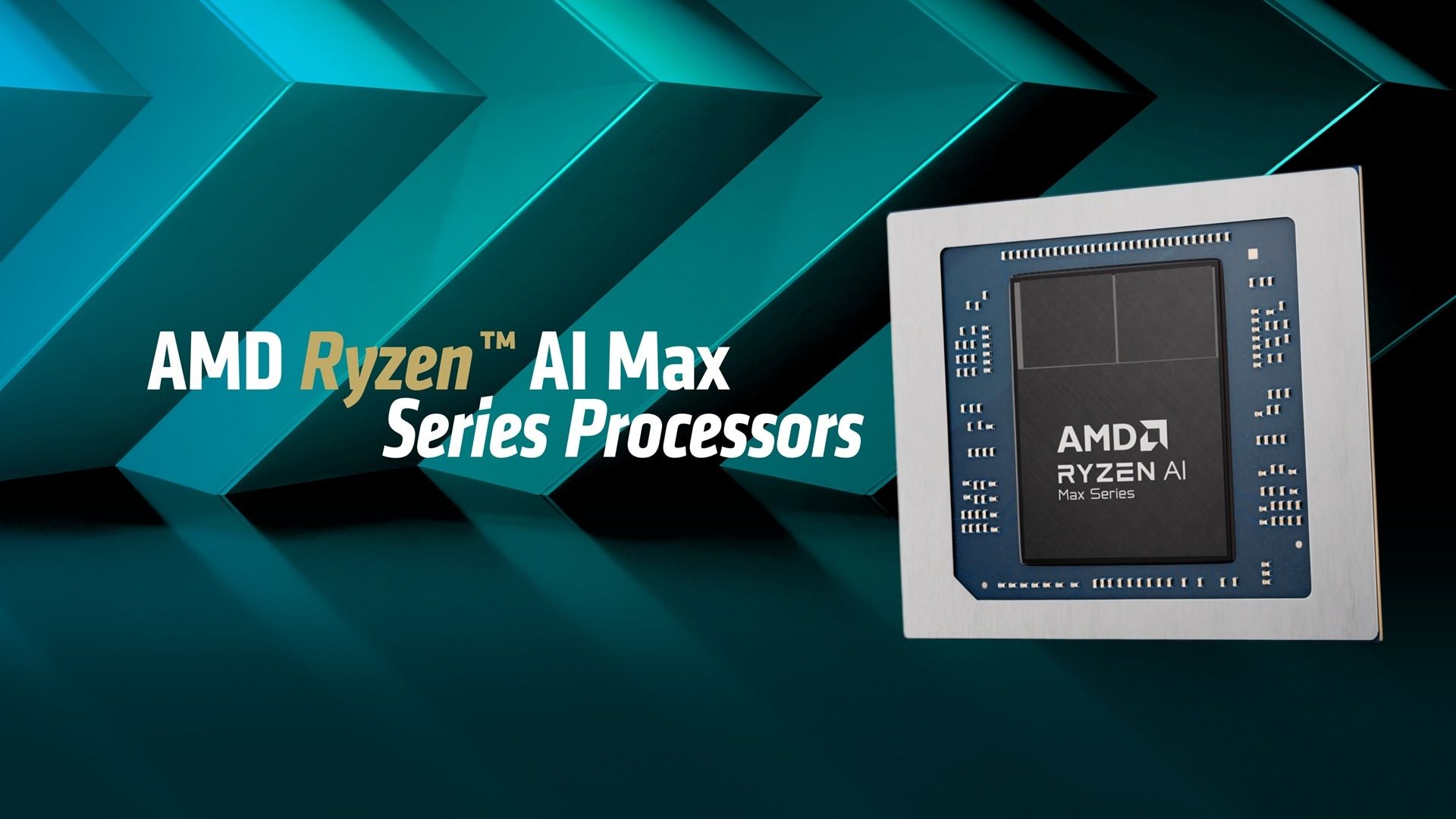
Key rumored specs include 8–10 Zen 6 CPU cores and an RDNA 5 GPU with 52–54 Compute Units aiming for roughly 34–40 TFLOPS. The insider continues to highlight around 30GB of GDDR7 RAM as a key target to deliver strong future-proofing and advanced features like improved PSSR AI upscaling.
This bullish view contrasts with broader industry concerns. In May 2026, Sony executives told investors during an earnings call that the PS6 release date and price have not yet been decided, as the company continues to monitor DRAM costs and supply issues driven by AI demand. Reports from Bloomberg and analysts have also flagged risks of delays to 2028 or even 2029 due to the ongoing chip crisis.
Discussions on Has Trump Delayed the PS6? explore how tariffs, shifting production lines, and geopolitical tensions are adding pressure — factors that could influence final timing and pricing even if they don't cause a full delay.
Facing Off Against Project Helix
Sony won't have things all its own way. Microsoft's rival Project Helix — the next Xbox, featuring a larger Magnus chip — is also eyeing a similar timeframe with a hybrid console-PC approach. As covered in What is Xbox Project Helix?, Helix looks stronger on raw specs in some leaks, but real-world performance will likely hinge on software optimization rather than pure horsepower.
Exciting Controller Possibilities
The hype extends to input devices too. Sony has filed eye-catching patents that could make the PS6 controller a genuine leap forward, including adaptive touchscreen surfaces with dynamic buttons and deformable haptic grids that let players pinch, twist, and feel in-game elements like never before, as outlined in PS6 Controller: Next-Gen Features.
PS6 Orion Rumored Specs Overview (Mid-2026)
| Feature | Details | Expected Highlights |
|---|---|---|
| Codename | Orion (flagship console) | Canis handheld companion |
| Process | TSMC 3nm | Compact ~280mm² die |
| CPU | 8–10 Zen 6 cores | Strong AI and multitasking |
| GPU | RDNA 5, 52–54 CUs (~34–40 TFLOPS) | 4K/120fps with advanced RT |
| Memory | ~30GB GDDR7 | Future-proof performance |
| Timeline | Manufacturing mid-2027 | Launch late 2027 / early 2028 |
Who is Moore's Law Is Dead?
Moore's Law Is Dead (often abbreviated as MLID) is a popular YouTube channel and persona run by a hardware enthusiast named Tom. He creates in-depth videos and hosts the Broken Silicon podcast, focusing on leaks, analysis, and commentary about PC hardware, semiconductors, AMD, Nvidia, Intel, and console development (including PlayStation and Xbox). His channel is Moore's Law Is Dead on YouTube.
Tom has built a reputation over the years for sharing insider information, often backed by documents, images, or sources close to chipmakers like AMD and console manufacturers.
Is Moore's Law Is Dead Reliable?
Mixed but notable track record — like most hardware leakers:
- Strengths: He has had several accurate hits on PlayStation and AMD projects (e.g., early PS5 Pro details, some APU roadmaps). He often shows what he claims are internal documents or slides.
- Weaknesses: Not all leaks pan out exactly as stated, and some details get revised or proven overly optimistic. Hardware leaking is inherently speculative, and Sony/Microsoft are extremely secretive.
- Overall Verdict: He is one of the more prominent and consistent voices in the console/PC leak community, but his information should be treated as unconfirmed rumors until officially verified. Many gaming sites (Push Square, PSU, NeoGAF, etc.) regularly report on his claims because they often align with broader industry trends.
Q&A: Common Questions About MLID and PS6
Q: Why do people listen to Moore's Law Is Dead on PS6? A: He has claimed access to Sony/AMD documents showing manufacturing timelines for mid-2027 and has consistently pushed back against big delay rumors, making him a key counter-voice to more pessimistic analyst reports.
Q: Could he be wrong about the 2027 launch? A: Yes — Sony has not confirmed anything. External factors like RAM shortages and costs (as discussed in Sony's earnings and articles like Has Trump Delayed the PS6?) could still cause adjustments.
Q: What are the main PS6 rumors from MLID? A: Orion codename for the main console, ~30GB RAM, RDNA 5 GPU, strong 4K/120fps targets, and multiple SKUs including a handheld (Canis).
What Gamers Are Asking Right Now
Will the PS6 really launch in 2027, or is a delay inevitable?
Moore's Law Is Dead is confident it will stick close to the original window. However, Sony has not confirmed any timeline, and external reports (including from Push Square and Bloomberg) continue to highlight supply chain risks that could cause minor or major slips.
How will tariffs, politics, and the chip crisis affect the price?
External economic pressures could push pricing higher than many expect. Sony's May 2026 earnings comments suggest they're actively exploring different business models to manage costs, which might mean a more expensive console or different SKU strategy.
Is the PS6 going to be much more powerful than the PS5 Pro?
Leaked targets point to a solid generational jump, but until official specs drop, it's all speculation. The focus on RDNA 5 and high RAM aims to make it a worthwhile upgrade for 4K/120fps gaming with strong ray tracing.
What about backward compatibility and the new controller?
Full PS4 and PS5 game support is widely expected. The controller patents point to major immersion upgrades, but practical improvements like better battery life and drift-free sticks are the most likely day-one features.
Of course, Sony itself has played it cool in recent earnings calls, noting that final decisions on pricing and exact launch timing are still being weighed amid volatile component costs. No official reveal has come yet — but with development kits reportedly heading to studios around spring 2026, the picture should sharpen quickly.
While nothing is set in stone until Sony steps up to the microphone, Moore's Law Is Dead's consistent updates offer a bullish counter-narrative to the delay doom and gloom coming from other analysts. The next console generation is heating up, and if Orion delivers on even half its rumored potential alongside innovations like the advanced controller concepts, PlayStation fans could be in for something truly special.