Rockstar LA Team Builds Hyper-Real NPCs for GTA 6
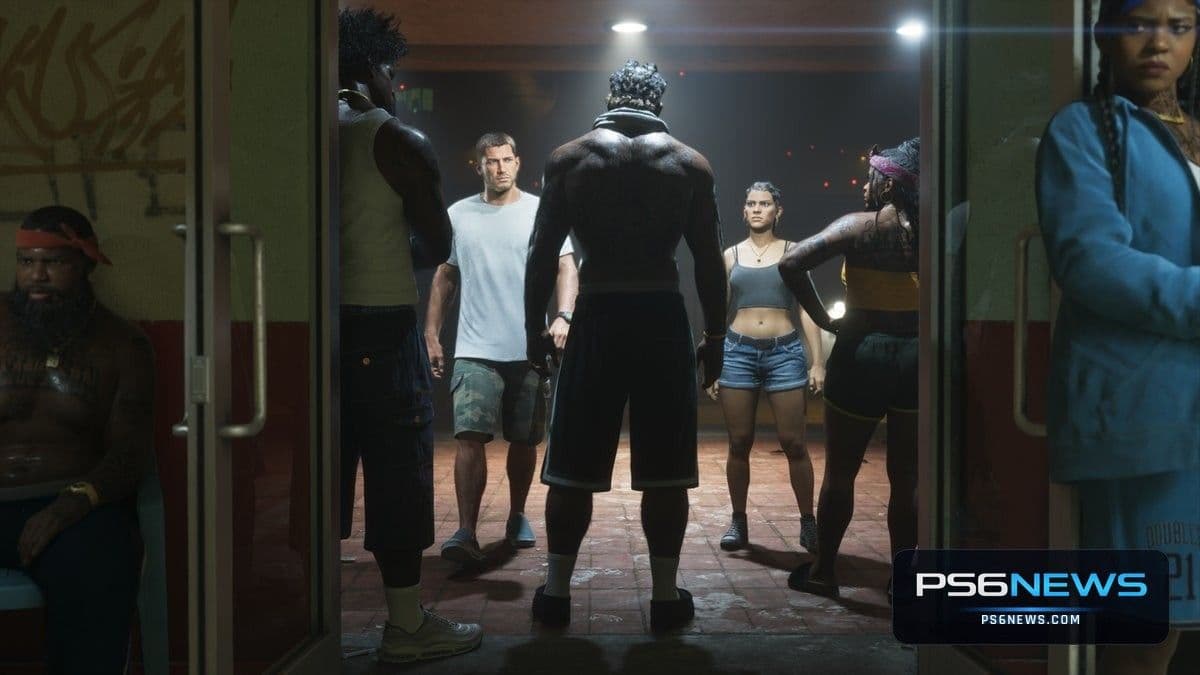
Rockstar Games has formed a dedicated Los Angeles-based team of writers, directors and producers to art-direct far more realistic non-player characters for Grand Theft Auto 6, GamesIndustry.biz reports. The unit builds directly on the interactive fidelity that made Red Dead Redemption 2 feel alive, pushing that philosophy into a denser modern city. Every room, street corner and interior now receives deliberate authorship so that NPCs inhabit spaces rather than merely occupy them. Co-heads Aaron Garbut and Rob Nelson have described the effort as essential for selling a living Vice City that players will believe in from the first hour.
This specialised group sits at the heart of Rockstar’s next leap in open-world density. Garbut highlighted how each interior now features carefully considered details: who sits where, what they drink, the marks left on tables, and wall photographs that include tattoos and family members. Nelson framed the work as an evolution required by a far denser contemporary environment. The result is a world in which background characters carry visible histories, turning once-static scenery into narrative texture that rewards close observation and repeated visits across the massive map.
Animation Scale That Dwarfs Previous Rockstar Worlds
The technical ambition behind these NPCs is staggering. Grand Theft Auto 6 already contains more than 600,000 NPC animations, more than double the 300,000 that powered Red Dead Redemption 2 and over ten times the 55,000 found in Grand Theft Auto 5. That volume of motion data allows pedestrians, shopkeepers and bystanders to react with far greater variety and contextual awareness. Conversations feel less looped, idle behaviours grow more idiosyncratic, and chance encounters gain the weight of genuine personality rather than recycled scripts from a limited pool.
Map scale multiplies the challenge. Vice City alone is twice the size of Los Santos, while the full GTA 6 map stretches to three times the area of Red Dead Redemption 2. Filling that space with credible life demands both the new Los Angeles art-direction team and the enormous animation library. Without that investment, the denser modern setting Nelson described would quickly collapse into empty spectacle. Instead Rockstar is treating population density as a core design pillar equal to mission structure or driving physics.
Rockstar NPC Animation and World Scale Comparison
| Title | NPC Animations | Relative Map Scale |
|---|---|---|
| Grand Theft Auto 5 | 55,000 | Los Santos baseline |
| Red Dead Redemption 2 | 300,000 | 1× RDR2 map |
| Grand Theft Auto 6 | 600,000+ | Vice City 2× Los Santos; full map 3× RDR2 |
Lived-In Rooms and Environmental Storytelling
Aaron Garbut’s description of interior design reveals how far the art direction now reaches. Designers decide not only furniture placement but the social logic of every space: who would naturally sit in which chair, which drinks belong on which surfaces, and what scuffs or stains those surfaces would realistically show. Wall photographs are no longer generic set dressing; they display tattoos and family groupings that quietly reinforce the lives of the people who live there. These choices turn every apartment and office into a short story players can read at a glance.
That level of care extends the Red Dead Redemption 2 philosophy into an urban context where density makes anonymity the default. In a sprawling modern city the risk is that NPCs become visual noise. By giving each interior a coherent human logic, Rockstar ensures that even fleeting glimpses through windows or open doorways feel authored. The Los Angeles team of writers, directors and producers exists precisely to maintain that consistency across thousands of locations so the world never slips into generic filler.
Hand-Crafted Fidelity, Not Generative Shortcuts
Rockstar has been explicit that this leap in NPC realism does not rely on generative artificial intelligence. Every animation, placement decision and environmental detail is the product of human writers, directors and producers working inside the new Los Angeles unit. In an industry increasingly tempted by procedural shortcuts, the studio is doubling down on expensive, labour-intensive authorship. The 600,000-plus animation count and the granular room design both testify to a refusal to outsource personality to algorithms.
Equally notable is the confirmation that Grand Theft Auto 6 will ship without microtransactions. The absence of both generative AI and live-service monetisation frames the project as a traditional premium single-player experience scaled to unprecedented size. That stance places enormous pressure on the new LA team: the NPCs and the world they inhabit must deliver lasting value through craft alone. Players will judge the game on how convincingly those 600,000 animations and meticulously dressed rooms sustain immersion across dozens of hours.
What This Means for PS6
Although Grand Theft Auto 6 launches first on current hardware, its NPC systems and world density set a new benchmark that PlayStation 6 titles will be measured against. Sony’s next console will need to demonstrate that first-party and third-party studios can match or exceed Rockstar’s hand-authored fidelity without leaning on generative fillers. The sheer animation volume and environmental storytelling detailed here will influence how quickly PS6 open-world games are expected to feel alive. For players, the message is clear: the bar for believable digital crowds has just risen sharply, and every major PS6 release will be judged by whether its streets feel as inhabited as Vice City’s.