Horizon Hunters Gathering Overhauled After Poor Testing
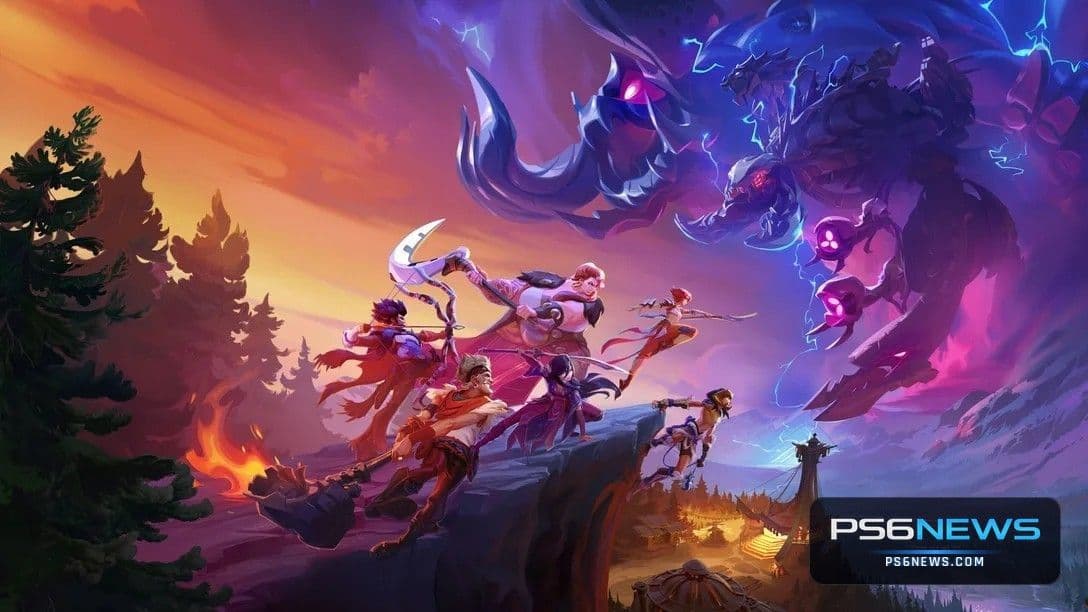
According to reporting from VGC, PlayStation and Guerrilla Games are pushing through a substantial overhaul of Horizon Hunters Gathering after the tactical co-op action title drew poor feedback in private testing. Set inside the established Horizon universe, the project had been tracking as another live-service multiplayer effort from the publisher. That strategy is now being dismantled. Live-service systems are being removed so the game can become a more traditional cooperative multiplayer experience featuring a proper story mode and a deliberately smaller overall scope.
The remaining team has been handed a hard December deadline to impress PlayStation executives at the next milestone review. In parallel, many staff have already been reassigned to a separate project that is itself under evaluation. The upheaval forms the latest chapter in PlayStation’s troubled live-service campaign, a stretch marked by the rapid collapse of Concord and a series of other cancellations that have left the publisher’s multiplayer ambitions under intense internal scrutiny.
Why Private Testing Forced a Full Pivot
Poor private testing feedback left Guerrilla and PlayStation with little choice but to confront fundamental problems in the game’s original design. Horizon Hunters Gathering was built as a tactical co-op action experience, yet the live-service framework clearly failed to connect with early players. Removing those systems marks a decisive shift toward session-based cooperative play that places greater weight on narrative structure and focused multiplayer encounters rather than endless retention loops, seasonal content calendars and always-online progression demands that define modern live-service releases.
The course correction also reflects a wider industry retreat from live-service models that require constant player engagement and expensive content pipelines. Guerrilla built its reputation on polished single-player adventures inside the Horizon series, so translating that craft into a multiplayer live-service product was always going to be demanding. By shrinking scope and introducing a story mode, the studio can lean on its narrative strengths while still offering the co-operative hunting fantasy that franchise fans have long requested from the machine-filled world.
PlayStation’s Live-Service Hangover Continues
Horizon Hunters Gathering does not stand alone in difficulty. PlayStation has spent years trying to assemble a competitive live-service roster, yet the outcomes have repeatedly fallen short of expectations. Concord’s high-profile failure remains the clearest warning sign, while additional projects have been cancelled before they ever reached players. Every fresh setback intensifies questions about whether the publisher can diversify beyond premium single-player releases without eroding the quality bar that originally defined its first-party identity and commercial success.
Staff reassignments underline how seriously leadership is treating the situation. With numerous developers already moved from the Horizon spin-off onto another title facing its own evaluation, resources are being redirected toward projects that still appear capable of clearing internal hurdles. The December milestone therefore carries outsized importance: a strong showing could preserve the overhauled vision, while a weak one risks adding Horizon Hunters Gathering to the expanding catalogue of PlayStation multiplayer projects that never reach release.
What a Smaller Co-op Horizon Game Could Become
Abandoning live-service systems opens the door for Horizon Hunters Gathering to evolve into a narrative-led cooperative adventure. A dedicated story mode would give players a compelling reason to return beyond matchmaking queues, while the tactical action core could shine without the clutter of battle passes, seasonal resets and aggressive monetisation layers. A reduced scope would also free the team to concentrate polish on combat feel, machine encounters and the distinctive Horizon environments rather than constructing retention systems designed to keep players logged in for years after launch.
Whether the revised pitch will satisfy executives is far from certain. PlayStation has invested heavily in expanding the Horizon brand beyond Aloy’s single-player campaigns, and a successful co-op release would reinforce that universe in meaningful ways. Yet the compressed runway to December leaves almost no margin for missteps. Guerrilla must prove that the leaner vision can still deliver memorable multiplayer moments while upholding the production values audiences now associate with every major Horizon release.
The December Milestone and Staff Reallocation
With the next milestone fixed for December, Guerrilla faces several intense months of reconstruction. Live-service architecture cannot simply be deleted; the team must redesign progression, mission flow, matchmaking and narrative delivery around a traditional co-op template. That work also has to demonstrate commercial viability and creative spark to executives who have already watched multiple multiplayer bets collapse. The departure of many staff to another evaluated project signals that leadership is carefully hedging rather than committing unlimited resources to a single uncertain title.
A successful December review would likely stabilise the remaining crew and unlock further funding, whereas failure could end Horizon Hunters Gathering altogether. PlayStation’s recent record shows limited patience for multiplayer projects that cannot quickly prove their potential. For fans who hoped to hunt machines alongside friends inside the Horizon world, the coming months will decide whether that fantasy survives in a leaner, story-focused shape or vanishes amid the publisher’s continuing live-service reckoning.
Industry Context Behind the Course Correction
The overhaul lands at a moment when publishers across the industry are reassessing live-service investments after a wave of underwhelming launches. Players have grown more selective, rewarding experiences that respect their time instead of those that demand perpetual engagement. PlayStation’s decision to pivot mid-development suggests an internal admission that doubling down on a flawed live-service formula would only compound earlier mistakes. For Guerrilla the change offers a chance to reclaim creative focus and produce something closer to the studio’s celebrated single-player heritage.
Even so, reassigning talent and shrinking ambitions introduce fresh risks. Development momentum can evaporate, team morale can dip, and a smaller game may struggle to justify the marketing weight expected of any Horizon-branded release. The simultaneous evaluation of the other project absorbing those reassigned developers adds further uncertainty across PlayStation’s first-party slate. How both titles perform under executive scrutiny will reveal a great deal about the company’s remaining appetite for multiplayer experimentation in the years ahead.
What This Means for PS6
Although Horizon Hunters Gathering is not positioned as a PlayStation 6 launch exclusive, the health of PlayStation’s multiplayer experiments will directly shape the software library that greets the next console generation. A cleaner first-party pipeline free of failed live-service detours would free resources for polished experiences capable of defining the PS6 era. Continued cancellations and mid-cycle overhauls, by contrast, risk leaving the next hardware short of big-name multiplayer draws when it arrives. How Guerrilla handles the December milestone may therefore influence not only this spin-off’s survival but broader confidence in PlayStation’s long-term multiplayer strategy as the industry turns toward PS6.