PS6 SSD and Storage: Speed, Capacity and Expansion Explained
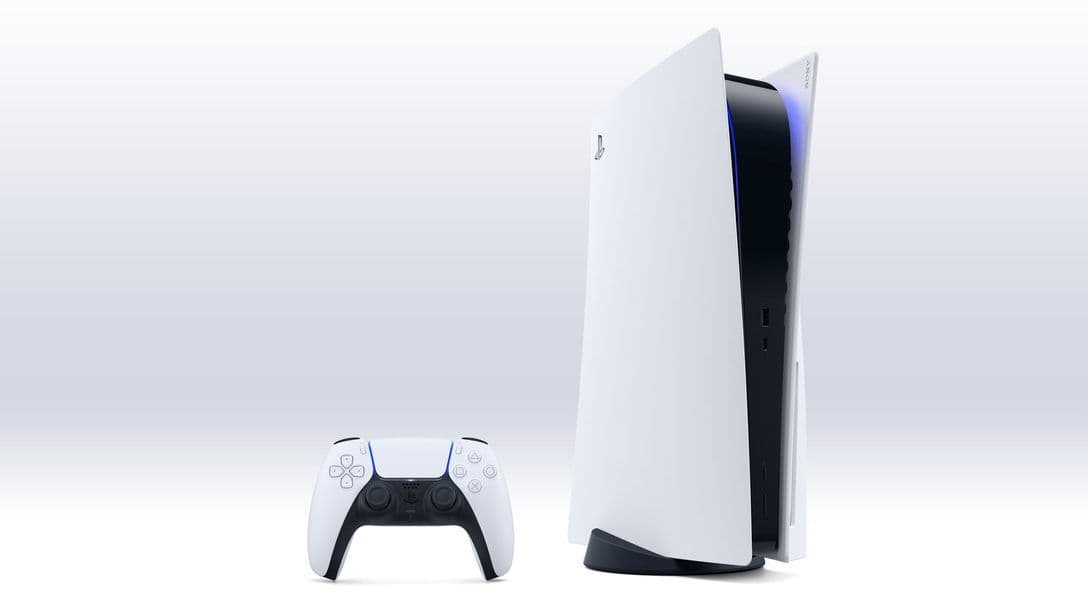
The PS6 SSD will help define what Sony’s next console can do, but it is also one of the easiest specifications to overstate. Sony has not announced the PlayStation 6, let alone its storage capacity, interface generation, usable space or expansion rules. Any exact PS6 storage figure currently circulating should therefore be treated as a rumour.
What we can assess is the engineering baseline Sony created with PS5, how that design evolved through the Slim and PS5 Pro, and which trade-offs will shape the next system. This guide separates confirmed PlayStation storage facts from estimates and explains why the best PS6 design will need more than a faster number on a box.
What Sony Has Actually Confirmed
As of 13 September 2026, Sony has not published PS6 storage specifications. There is no confirmed SSD size, no official PCIe generation, no read-speed target and no guarantee that current PS5 M.2 drives will work in the next console. The same caution applies to claims that the system will ship with a 1TB drive or use PCIe Gen5.
Sony and AMD have publicly discussed Project Amethyst, but that collaboration focuses on machine learning and graphics technologies rather than a PS6 storage blueprint. Our broader PS6 specifications guide tracks reported hardware claims, but a leak becoming widely repeated does not make it official.
The firmest evidence comes from Sony’s existing console strategy. PlayStation 5 introduced a custom high-speed SSD and I/O architecture, later models increased internal capacity, and Sony opened the platform to standard M.2 expansion. Those choices show Sony values fast asset access and consumer-expandable storage, although they do not prove the PS6 will repeat the same layout.
PS5 Sets the Storage Baseline
Sony’s original PS5 hardware specification lists an 825GB custom SSD with 5.5GB/s raw read bandwidth. Its custom I/O system was designed to move assets quickly enough to reduce loading screens and let developers stream data into larger, denser worlds.
The smaller PS5 revision increased built-in storage to 1TB, while PS5 Pro launched with a 2TB SSD. That progression matters more than it first appears: Sony has already acknowledged that modern console libraries need more local space, even before PS6-sized textures, audio and geometry enter the equation.
PS5 also supports PCIe Gen4x4 M.2 NVMe expansion. Sony’s current M.2 SSD requirements allow capacities from 250GB to 8TB, recommend sequential reads of at least 5,500MB/s and require effective heat dissipation. PS5 games can run directly from a compatible M.2 drive; USB extended storage can hold PS5 games, but cannot play them.
PS6 Storage Fact-Check Table
Model | Built-in capacity | Confirmed raw read speed | Expansion
Original PS5 | 825GB | 5.5GB/s | PCIe Gen4x4 M.2, 250GB–8TB
PS5 Slim | 1TB | Sony did not publish a new raw figure | PCIe Gen4x4 M.2
PS5 Pro | 2TB | Sony did not publish a raw figure | PCIe Gen4x4 M.2
PS6 | Capacity: unconfirmed | Read speed: unconfirmed | Expansion: unconfirmed
Reported claims | 1TB and PCIe Gen5 are frequently cited | No official benchmark | Current PS5-drive compatibility is unknown
The key distinction is simple: the PS5 figures and present M.2 rules are published by Sony; every PS6 row remains open. PCIe Gen5 would be a logical generational move, but logic is not confirmation. Controller design, thermal limits, NAND prices and Sony’s target launch price could all change the final specification.
Why SSD Speed Still Matters
Storage speed affects far more than the wait between pressing Start and entering a game. A fast I/O path lets an engine request textures, geometry and animation data closer to the moment they are needed. That can reduce duplicated assets, disguise fewer loading corridors and support faster movement through highly detailed environments.
Peak sequential bandwidth is only part of the result. Latency, random access, hardware decompression, software APIs and the path from storage to system memory determine how effectively a console uses its drive. A nominally faster SSD can deliver a smaller real-world gain if another stage of the pipeline becomes the bottleneck.
This is why PS6 storage and PS6 graphics performance cannot be judged separately. Higher-detail assets are useful only if the system can supply them quickly enough, while better compression could reduce both download sizes and the bandwidth needed to feed the GPU.
Capacity May Matter More Than Peak Speed
A 1TB label would no longer feel generous for a premium next-generation console. Some space is always reserved for system software and maintenance, so the capacity visible to players is lower than the headline figure. Large libraries, capture files and optional high-resolution asset packs can consume the remainder quickly.
A 2TB internal drive would provide a more comfortable starting point and would match PS5 Pro, but it could also increase the launch bill of materials. NAND pricing can change sharply during a console’s development, so Sony may have to balance capacity against price, especially if memory and processor costs remain under pressure.
There are other ways to improve the experience. Better compression can lower installation and transfer demands, modular downloads can let players remove unused language or multiplayer data, and faster local networking can shorten restoration times. None replaces adequate internal space, but together they determine whether the PS6 feels constrained.
Expansion and Backward Compatibility
Sony’s use of a standard M.2 slot on PS5 is a consumer-friendly precedent. It gives owners a broad market of compatible drives instead of forcing them to buy one proprietary storage card. Keeping that approach for PS6 would preserve competition and make high-capacity upgrades easier to find.
Compatibility with today’s installed PS5 M.2 drives is less certain. A PS6 could accept the same physical 2280 format while requiring faster performance for native PS6 software. Sony could also permit an older Gen4 drive for PS5 games but require internal or newer storage for PS6 titles, similar to the way USB storage is treated on PS5.
That decision would directly affect PS6 backward compatibility. Letting owners move an existing drive into a PS6 could make migration much easier, but account licences, formatting rules and encryption may still require a transfer process. Sony has announced none of these details.
What a Sensible PS6 Design Looks Like
The strongest design would combine ample built-in storage, low-latency custom I/O and an open expansion path. A 2TB starting capacity looks more practical than 1TB for a flagship machine, while a standard M.2 slot would let owners choose when and how much to expand. This is an editorial assessment, not a leaked specification.
Sony should also prioritise sustained performance and cooling over a headline benchmark. Fast NAND and a modern controller produce heat, and console storage must remain consistent inside a compact enclosure over long sessions. The PS5 requirement for a heatsink shows that thermal design already matters to expansion drives.
Until Sony reveals the console, the honest PS6 SSD specification is still “unknown”. Expect faster asset streaming and a larger capacity than the original PS5, but do not buy a drive today on the assumption that it will be PS6-compatible. The most important confirmation will be whether Sony preserves the flexible expansion model that made PS5 storage easier to grow.