GTA 6 Leaks Dry Up as CyberLeek Goes Offline
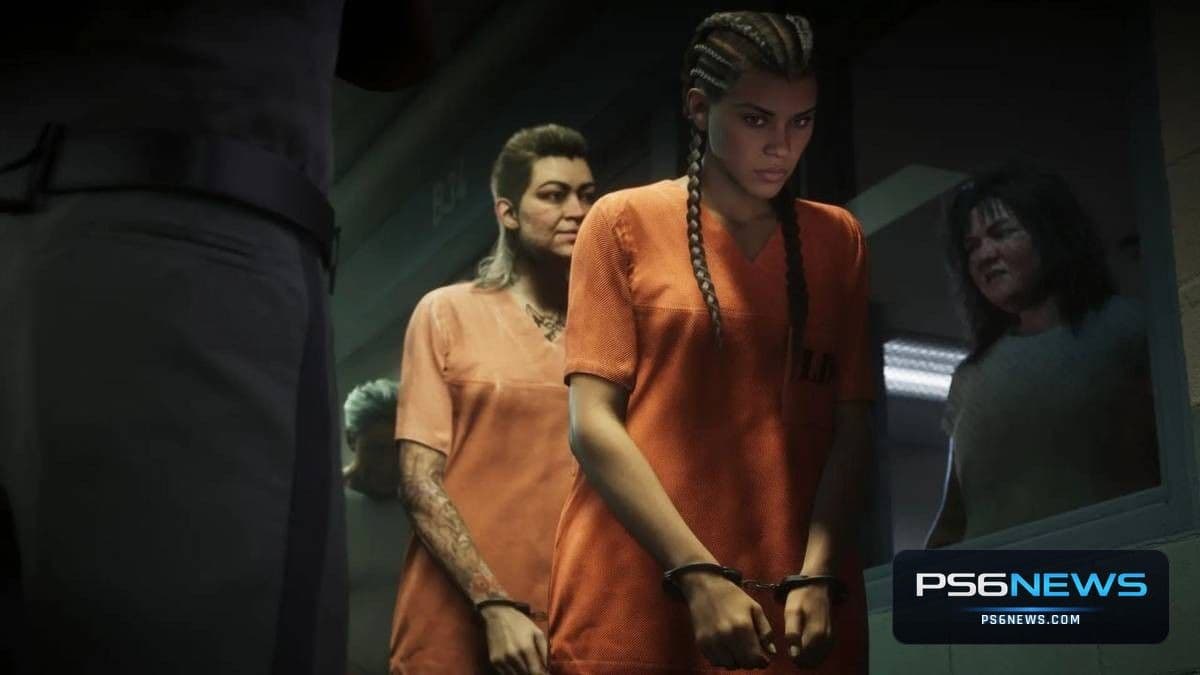
The flood of unauthorised Grand Theft Auto 6 material that dominated gaming headlines this week appears to be drying up at last. According to Polygon, the CyberLeek website and its companion Telegram channel—widely identified as the main conduits for the recent wave of gameplay clips and map imagery—have both gone offline. The Telegram presence explicitly cited copyright infringement before disappearing, a clear signal that rights holders have forced the issue. For a community starved of official footage, the sudden silence marks a sharp change in tone after days of relentless drips.
Those leaks first surfaced on 18 August and quickly spread across social platforms, confirming long-rumoured systems while stopping short of major story spoilers. Take-Two Interactive, Rockstar’s parent company, has responded with aggressive legal manoeuvres that now seem to be landing. Subpoenas aimed at Microsoft and Discord form part of a broader effort to trace distribution paths and shut them down. Although a handful of extra clips still trickled out after the main channels fell quiet, the primary pipeline has clearly been severed, restoring a measure of control to the studio ahead of its carefully planned marketing push.
What the Leaks Actually Revealed
Unlike earlier Grand Theft Auto breaches that dumped entire mission scripts or character arcs, this latest batch stayed relatively restrained. Players and analysts confirmed the return of a six-star wanted system, a feature absent since the San Andreas era and long demanded by fans craving heavier police escalation. Map material also pointed to an expansive open world that dwarfs previous entries, reinforcing expectations of unprecedented scale. Yet the footage avoided deep narrative reveals, character deaths, or late-game twists, leaving Rockstar’s story largely intact for the official campaign.
That balance between confirmation and restraint may explain why the material travelled so widely without triggering the full-scale outrage that followed the 2022 source-code incident. Enthusiasts treated the clips more like extended tech demos than spoiler bombs, dissecting frame rates, denser NPC behaviour, and environmental detail rather than plot points. Still, any unauthorised release frustrates a developer that has spent years crafting a controlled reveal schedule. The fact that core systems rather than story beats leaked may ultimately limit long-term damage, even as it underscored how difficult modern security remains for a title of this magnitude.
Take-Two’s Legal Pressure Starts to Bite
Take-Two’s response has been methodical rather than purely theatrical. By serving subpoenas on major platforms such as Microsoft and Discord, the publisher is attempting to unmask uploaders, mirror hosts, and anyone who facilitated rapid redistribution. Those legal instruments compel companies to hand over account data, IP logs, and related records, turning anonymous leak channels into traceable liabilities. The swift collapse of CyberLeek’s public presence suggests either a direct takedown success or a pre-emptive retreat by operators who suddenly faced real-world consequences.
Industry observers note that copyright claims alone rarely erase every copy once files hit the open internet, yet removing the original high-traffic hubs dramatically slows further spread. Telegram’s explicit copyright notice before going dark indicates formal pressure reached the channel administrators. Residual footage continuing to surface is unsurprising; once material is downloaded, determined users will reshare it on smaller forums. The decisive blow, however, is the loss of a centralised, frequently updated source that kept the story on the front page every few hours, starving the rumour cycle of fresh oxygen.
Rockstar’s Frustration and the Road to Launch
Bloomberg reporting has portrayed Rockstar as distinctly unhappy with the breach, a stance consistent with the studio’s historic protectiveness over its biggest franchise. Years of meticulous world-building and marketing choreography can feel undermined when raw gameplay appears weeks ahead of planned showcases. That frustration has not, according to available information, translated into any schedule change. Grand Theft Auto 6 remains locked to its 19 November 2026 release date, a firm target that both publisher and developer continue to defend publicly.
An official extended look is scheduled to premiere on Netflix on 27 August, giving Rockstar a high-profile, fully controlled platform to reassert its own narrative. Placing premium footage on a streaming giant rather than solely on traditional gaming channels signals confidence in broad cultural reach and an intent to speak directly to a mainstream audience. For fans who spent the past week piecing together fan-edited leak compilations, the Netflix presentation offers the first sanctioned deep dive, complete with polished capture, approved music, and whatever systems Rockstar actually wants highlighted before the autumn marketing blitz intensifies.
Why Leak Culture Keeps Colliding with Blockbuster Games
Modern blockbuster development involves thousands of contractors, cloud build systems, and sprawling playtest programmes, each adding potential exit points for unfinished assets. Grand Theft Auto titles attract extraordinary scrutiny precisely because their cultural footprint extends far beyond core gamers; a single dramatic clip can dominate mainstream news cycles within hours. That visibility creates perverse incentives for leakers seeking clout, while simultaneously raising the financial and reputational stakes for publishers determined to protect multi-year investments.
Previous Rockstar incidents taught the industry that pure secrecy is nearly impossible at this scale, yet controlled scarcity still drives enormous pre-order and engagement numbers. Take-Two’s latest legal campaign reflects a hybrid strategy: accept that some material will escape, then move rapidly to dismantle the highest-visibility distribution nodes and reassert official messaging. Whether that approach fully deters future actors remains doubtful, but the disappearance of CyberLeek demonstrates that sustained legal pressure can at least shorten the lifespan of a major leak event and return attention to sanctioned reveals.
What This Means for PS6
Although Grand Theft Auto 6 launches on current hardware, the episode carries clear lessons for Sony’s next console generation and the blockbuster titles that will define it. PlayStation platform holders and first-party studios will study how quickly Take-Two converted legal process into visible takedowns, especially when future PS6 exclusives face similar pre-release scrutiny. A cleaner run-up to GTA 6’s November debut also preserves the cultural momentum that multi-platform hits generate, momentum that historically lifts the entire console market—including whatever hardware Sony positions as the premium way to experience open-world landmarks in the years after PS6 arrives.
Fans eyeing the next PlayStation should note that aggressive anti-leak enforcement is becoming standard operating procedure for prestige releases, not an overreaction. Expect tighter NDAs, faster platform subpoenas, and more carefully staged official drops as the industry prepares flagship software for the PS6 era. In the near term, the vanishing of CyberLeek simply means the conversation can shift from grainy map scraps back to Rockstar’s own Netflix showcase—and toward the November launch that still anchors the biggest gaming calendar of 2026.