PS6 RAM and GDDR7: Capacity, Bandwidth and Cost Explained
PS6 RAM will influence graphics, frame rates, artificial-intelligence features and the size of the worlds developers can build. It may also be one of the most expensive parts of Sony’s next console. That makes memory central to both the PlayStation 6 performance story and its eventual price.
As of 14 September 2026, Sony has not confirmed the PS6 memory type, capacity, bandwidth or bus width. GDDR7, 30GB and 32GB figures appear regularly in leak coverage, but none is official. This guide separates confirmed technology from reported targets and explains why capacity is only one part of the equation.
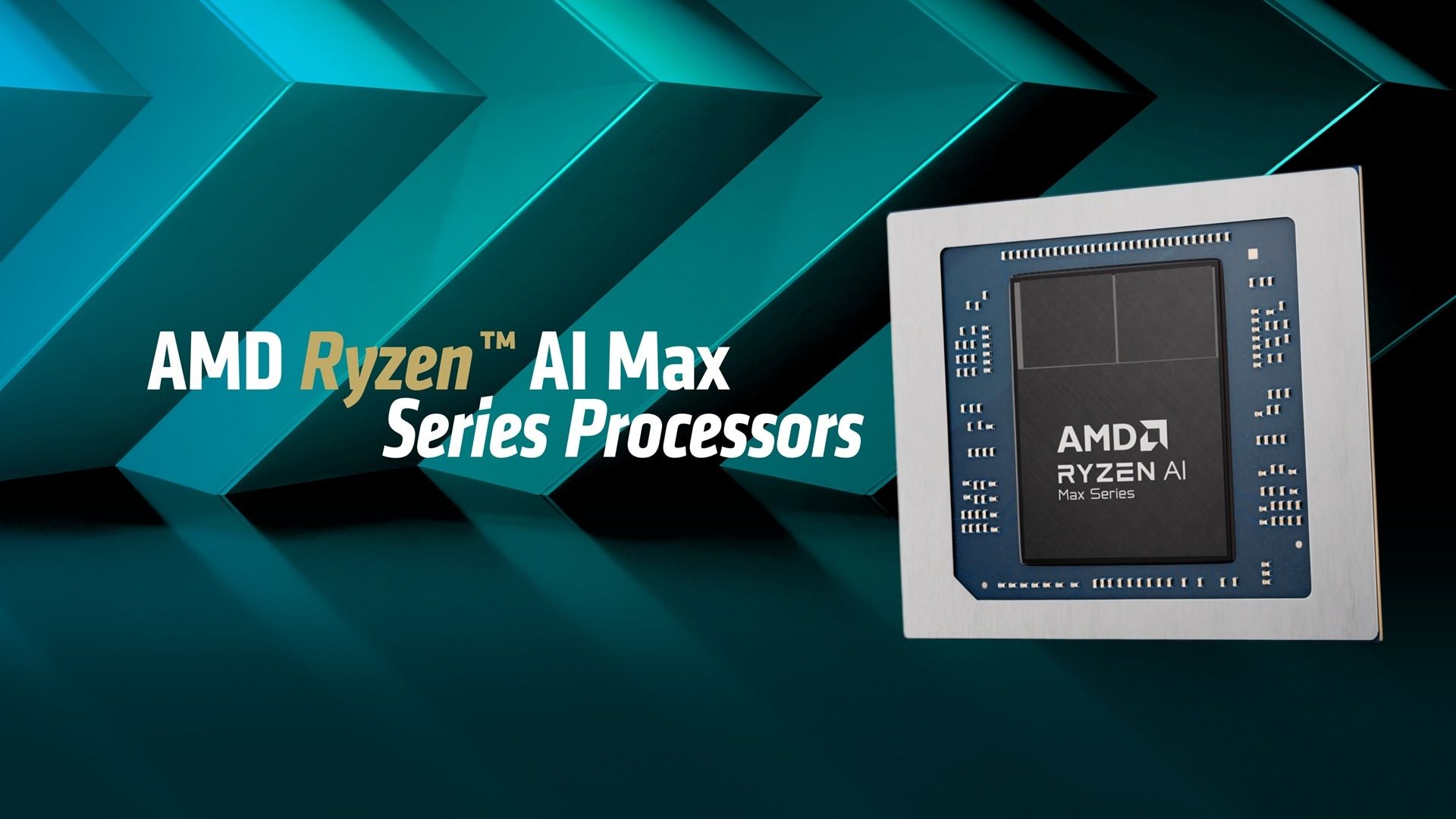
Sony and AMD have confirmed a deeper technical partnership through Project Amethyst, covering machine-learning graphics, ray-tracing acceleration and Universal Compression. Sony has not identified the future console that will use those technologies or attached a PS6 memory specification to them.
Current reports commonly describe roughly 30GB or 32GB of GDDR7. Those figures may be plausible engineering targets, but they remain leaks. Our main PS6 specifications guide tracks them as rumours rather than settled facts.
PS5 Is the Only Firm Baseline
Sony’s official PS5 hardware specification lists 16GB of GDDR6 memory with 448GB/s of bandwidth. It is a unified pool shared by the CPU and GPU, avoiding the separate system RAM and video-memory arrangement used by a typical gaming PC.
PS5 Pro retained a 16GB GDDR6 system pool but increased memory speed. Sony described the console’s memory as 28% faster than the original PS5, helping its larger GPU access assets more quickly. PS5 Pro also demonstrates that a mid-generation machine can gain substantially without doubling capacity.
That baseline matters because a PS6 must run a more capable operating system, preserve compatibility and feed a much faster graphics processor. More memory would give developers room for higher-detail textures, geometry, ray-tracing data and simulation state, but only if the system can move that information efficiently.
PS6 RAM Fact-Check Table
Hardware | Memory | Bandwidth | Status
PS5 | 16GB GDDR6 | 448GB/s | Confirmed by Sony
PS5 Pro | 16GB GDDR6 system pool | Sony says 28% faster than PS5 | Confirmed baseline
PS6 | Capacity unknown | Bandwidth unknown | Not announced
Common PS6 rumours | Around 30GB or 32GB GDDR7 | Bus width and speed vary between reports | Unverified
GDDR7 technology | Commercial chips reach up to 32Gbps per pin | Total bandwidth depends on the chosen bus | Real technology, but not confirmed for PS6
Universal Compression | Intended to reduce graphics-data traffic | No PS6 performance figure | Confirmed research, implementation unknown
Why GDDR7 Makes Sense for PS6
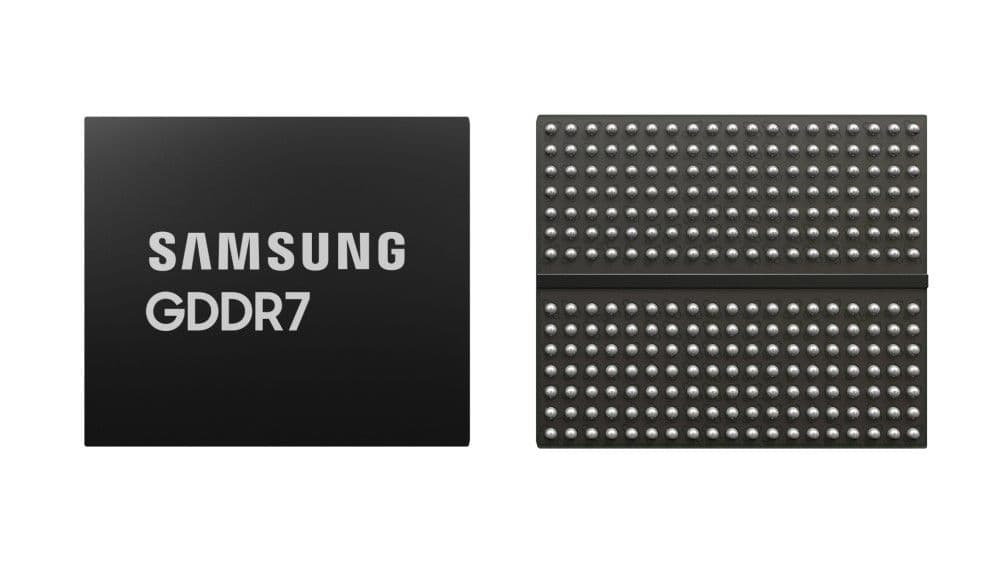
GDDR7 is the successor to the GDDR6 technology inside PS5. Samsung’s official GDDR7 announcement describes 32Gbps chips, a 1.4-times performance uplift over its 24Gbps GDDR6 comparison and a 20% power-efficiency improvement.
The technology uses PAM3 signalling, which transmits more information within each signalling cycle than the NRZ method used by GDDR6. For a console designer, that creates options: pursue much higher bandwidth, use a narrower memory bus to control chip size and cost, or strike a balance between the two.
GDDR7 being suitable for game consoles does not prove Sony has selected it. Final memory choices are normally locked through extensive validation involving the custom processor, board layout, cooling system and suppliers. Availability and price can matter as much as theoretical speed.
Capacity and Bandwidth Do Different Jobs
Capacity determines how much active data can remain close to the processors. If a scene’s textures, geometry, animation, audio buffers and ray-tracing structures exceed available memory, the engine must stream or discard data more aggressively. That can limit visual complexity or create stutter when information is requested too late.
Bandwidth measures how quickly the processors can read and write that data. A large pool with insufficient bandwidth can leave a powerful GPU waiting, while a very fast but cramped pool forces developers to manage residency constantly. The PS6 needs both enough space and enough throughput for its target performance.
This is why a 32GB claim cannot be judged alone. Bus width, data rate, compression, cache design and the amount reserved for system functions could make two nominally identical capacities perform very differently. A smaller, efficiently managed pool may outperform a larger but poorly balanced design.
How Memory Could Shape PS6 Graphics
Ray tracing places heavy demands on memory because the GPU must access scene geometry and acceleration structures while calculating how light travels. Higher-quality assets and larger environments add further pressure. Our PS6 graphics guide explains why the next leap depends on the complete rendering pipeline rather than teraflops alone.
Machine-learning reconstruction can reduce the need to render every pixel at native resolution, but it does not eliminate memory demand. Neural networks, motion data and intermediate image buffers still require storage and bandwidth. The benefit is that saved GPU work can be redirected towards lighting, geometry, physics or steadier frame rates.
Project Amethyst adds another possible advantage through Universal Compression. Sony and AMD describe a broader approach to compressing graphics data as it moves through the GPU. If it reaches PS6 silicon, effective bandwidth could rise without requiring every gain to come from a wider, more expensive memory interface.
Price, Power and Heat Set the Limits
Console RAM is not chosen in isolation. More chips increase component cost and occupy board space, while higher data rates can raise power consumption and cooling requirements. Sony must design for sustained performance inside a fixed enclosure, not the short benchmark bursts used to advertise individual PC components.
Those trade-offs are sharper during a difficult memory market. Our report on the PS6 and Xbox Helix memory crisis examined how demand from artificial-intelligence infrastructure could affect pricing and supply. The shortage is real; any resulting PS6 delay, capacity cut or retail price remains an inference.
A narrower bus combined with faster GDDR7 and better compression could reduce cost and power, but it would also leave less margin if software cannot use those efficiencies consistently. A wider interface offers brute-force bandwidth at the expense of a larger memory controller, more board complexity and potentially more expensive packaging.
The Most Realistic PS6 Memory Outlook
GDDR7 is the strongest technical candidate because it is shipping technology designed for next-generation graphics workloads. A capacity above PS5’s 16GB is also a reasonable expectation for a full generational successor. Neither conclusion is a confirmed specification.
Roughly 30GB or 32GB would give developers materially more room while remaining far below workstation-class excess, but the final usable amount could differ from the physical total. Sony may reserve memory for the operating system, background capture, security and compatibility functions.
For now, the honest PS6 RAM table contains more unknowns than numbers. Watch for Sony to confirm the memory type, total capacity, system reservation, bus width and bandwidth together. Until then, GDDR7 reports are useful indicators of direction—not a specification sheet.