PS6 Faces 2028 Delay and $1000 Price Shock Rumors
PlayFront has revealed fresh insider information from Nash Weedle suggesting the PlayStation 6 may slip to a late 2028 launch window with a potential retail price starting at one thousand dollars. Soaring costs for DRAM and NAND flash memory, fuelled by relentless artificial intelligence demand, are making the expected performance leap financially punishing for Sony. A 2027 release would erase hardware margins entirely because the high-end components required remain prohibitively expensive. Supply chain agreements with AMD and TSMC add further logistical hurdles that complicate any attempt to accelerate the schedule. Industry watchers now question whether the traditional sub-five-hundred-dollar console model can survive these new economic pressures.
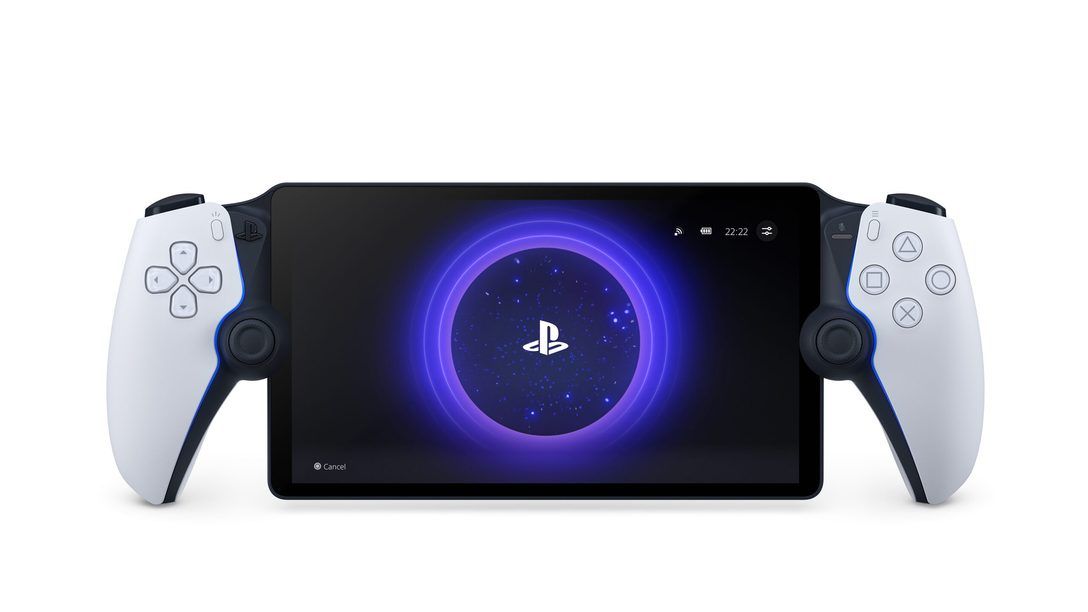
The report indicates that simply delaying the console will not automatically restore healthy margins. Memory prices are forecast to stabilise at elevated levels rather than fall back to previous norms, locking in higher production costs for years to come. Sony is therefore exploring alternative revenue streams, including a lower-priced handheld device positioned between four hundred and five hundred dollars that could serve as a companion product. A complete shift toward digital distribution through the PlayStation Store and PS Plus subscriptions is also under consideration to improve profitability without relying solely on expensive hardware sales.
Component Costs Reshape Console Economics
Exploding demand for advanced memory chips from the artificial intelligence sector has created a perfect storm for console manufacturers. High-bandwidth DRAM and large-capacity NAND flash, essential for delivering meaningful generational leaps in graphics and storage, now carry price tags that threaten traditional hardware economics. The source notes that these components show little sign of returning to affordable levels even after the initial shortage period passes. Manufacturers must therefore weigh the risk of launching an underpowered machine against the certainty of selling hardware at a substantial loss.
Sony faces additional constraints from existing contracts with key suppliers AMD and TSMC. These long-term agreements limit flexibility when attempting to adjust launch timing or component specifications at short notice. Any attempt to force an earlier release would require costly renegotiations or acceptance of reduced performance targets. The combination of fixed supply timelines and persistently high memory pricing leaves the company with few attractive options before the end of the decade.
PlayStation Console Launch Prices (USD)
| Console | Launch Year | Launch Price (USD) |
|---|---|---|
| PS1 | 1994 | $299 |
| PS2 | 2000 | $299 |
| PS3 | 2006 | $499 / $599 |
| PS4 | 2013 | $399 |
| PS5 | 2020 | $499 |
| PS6 | 2028 (Projected) | $1000+ (Estimated) |
Strategic Options Beyond Traditional Hardware
To offset rising hardware costs Sony may accelerate its transition to a full digital ecosystem. Greater emphasis on PlayStation Store sales and recurring PS Plus revenue could generate steadier margins while reducing reliance on physical media and expensive disc drives. The insider suggests this approach aligns with broader industry trends where digital purchases already dominate in many regions. A companion handheld priced between four hundred and five hundred dollars could further expand the audience without requiring the same performance specifications as the main console.
Such a strategy would represent a significant departure from Sony's historical console positioning. Previous generations succeeded by delivering premium hardware at accessible prices while building long-term platform loyalty. The current memory cost environment appears to have broken that model, forcing difficult choices between performance ambitions, launch timing and profitability. Observers will watch closely for any official signals confirming these rumored directions.
What This Means for PS6
The reported shift to late 2028 and a potential thousand-dollar price point signals that the next PlayStation generation will arrive under very different circumstances than its predecessors. Gamers may need to adjust expectations around both timing and cost while Sony explores complementary devices and stronger digital revenue streams. The situation underscores how external market forces like AI-driven component demand can reshape even the most established entertainment platforms. Players should monitor further updates as the picture becomes clearer.