Xbox and PlayStation Pull Back Multiplatform Marketing
According to a recent report from IGN, both Xbox and PlayStation appear to be quietly stepping back from loud multiplatform promotion in their latest marketing pushes. The shift has become visible through carefully edited trailers and branding choices that put exclusive experiences front and centre once again. After years in which cross-platform releases were celebrated as a sign of industry maturity, the two console giants seem intent on reminding players why their own hardware still matters. This recalibration arrives at a moment when first-party catalogues remain a decisive factor in console loyalty. The tone of recent campaigns suggests exclusivity is returning as a core selling point rather than an afterthought.
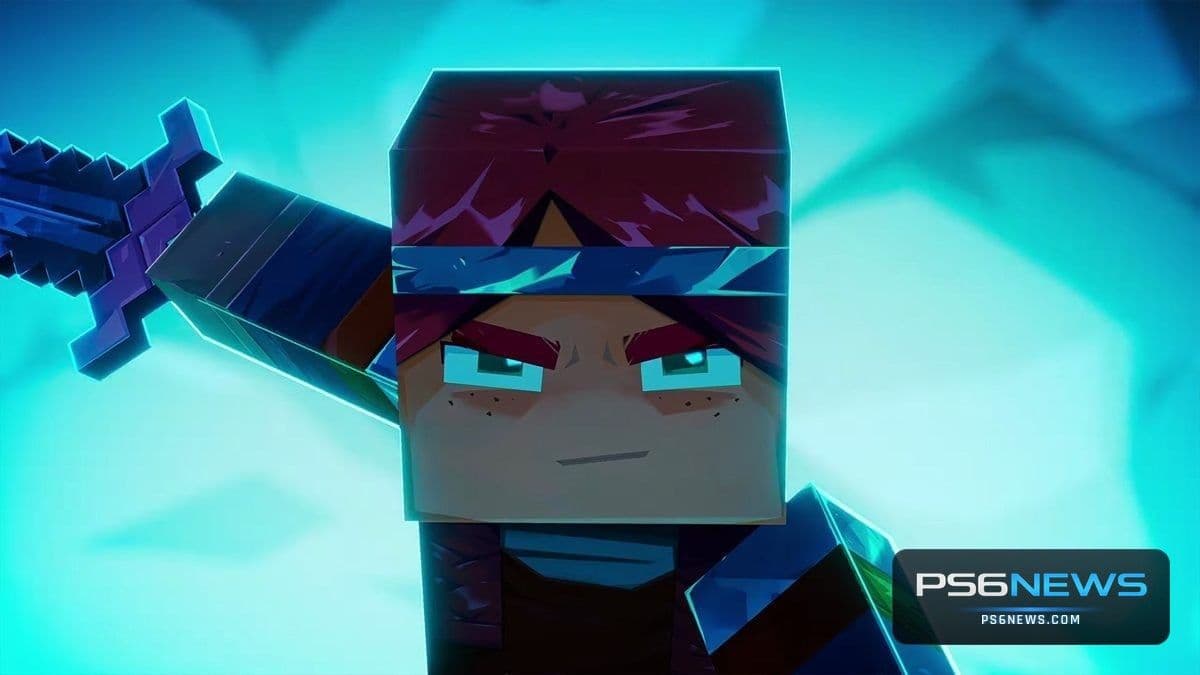
The evidence centres on two clear examples that landed within the same news cycle. Xbox released a fresh trailer for Minecraft Dungeons 2 that makes no reference to the PlayStation 5 or Switch 2 versions of the game, a notable departure from earlier promotional material that routinely listed every platform. Meanwhile PlayStation rolled out an advertisement that hammers home PlayStation 5 exclusive branding across a slate of high-profile titles. Together these moves paint a picture of two companies reasserting the value of platform-specific ownership at a time when multiplatform releases had become almost routine. The change feels deliberate rather than accidental.
Xbox Softens Its Multiplatform Voice
Xbox’s latest trailer for Minecraft Dungeons 2 stands out precisely because of what it leaves unsaid. Previous trailers for the franchise and similar multiplatform titles typically rolled through every supported system, giving equal billing to PlayStation, Nintendo and PC audiences. This time the spot focuses purely on the Xbox presentation of the game, omitting any mention of the PlayStation 5 or Switch 2 editions that earlier marketing had acknowledged. The omission is small on paper yet significant in the broader context of how Microsoft has positioned itself as a multiplatform publisher in recent years. Fans who watch carefully will notice the silence immediately.
That silence arrives against a backdrop in which Xbox has spent considerable effort expanding its games beyond its own hardware. Titles that once would have remained exclusive now routinely appear on rival platforms, a strategy designed to grow Game Pass and reach more players. Pulling back the multiplatform shout-outs in a major trailer therefore feels like a tactical adjustment rather than a full reversal. It allows Xbox to keep shipping games widely while still presenting a more console-centric face in its own marketing channels. The approach walks a fine line between accessibility and platform pride without abandoning either goal entirely.
PlayStation’s Exclusive Branding Push
PlayStation’s response has been more overt and unapologetic in tone. A newly released advertisement leans hard into the phrase PlayStation 5 exclusive while showcasing a roster of upcoming and existing titles that includes Marvel’s Wolverine, Ghost of Yotei, Astro Bot, Gran Turismo 7, Saros and God of War Laufey. By grouping these games under a single exclusive banner, the company reminds its audience that certain experiences simply cannot be found elsewhere. The campaign treats exclusivity as a feature worth celebrating rather than something to downplay in an age of cross-play and day-and-date releases. It is classic first-party showmanship delivered with confidence.
Several of the games named already carry strong exclusive associations, yet bundling them together amplifies the overall message. Marvel’s Wolverine and Ghost of Yotei sit among the most anticipated single-player adventures on the horizon, while Astro Bot and Gran Turismo 7 continue to serve as technical showcases for the current hardware generation. Saros and God of War Laufey extend that prestige further into the future catalogue. Listing them side by side under the exclusive label turns individual releases into a collective argument for owning a PlayStation 5. The strategy is simple and effective: make the hardware feel indispensable again.
Why the Shift in Tone Matters
Marketing language shapes perception long before sales charts do. When a trailer lists every platform, it signals that the game is a universal product rather than a reason to buy specific hardware. Removing those mentions, even subtly, repositions the title as part of a console’s identity in the minds of viewers. PlayStation’s decision to stamp exclusive branding across multiple high-profile games performs the opposite manoeuvre, turning individual releases into proof of platform superiority. Both tactics are inexpensive yet powerful ways to influence how players talk about and value their machines over time. In a crowded entertainment market those subtle cues accumulate into real purchasing decisions.
The timing also coincides with a broader industry conversation about the long-term health of console ecosystems. Subscription services and day-and-date multiplatform launches have expanded audiences, yet they have also raised questions about what still makes a console worth owning in the first place. By publicly leaning back into exclusivity messaging, Xbox and PlayStation are answering that question with a familiar refrain built around unique games. Whether the strategy fully reverses multiplatform publishing trends remains to be seen, but the public posture has clearly shifted in recent weeks. Fans who value platform identity will welcome the change while others may see it differently.
A Shared Return Toward Differentiation
Taken together, the Xbox trailer edit and the PlayStation exclusive advert suggest both companies are reading similar market signals. After a period in which multiplatform releases were promoted as industry progress, the pendulum appears to be swinging back toward clearer platform differentiation. Players still care deeply about which games they can only experience on their chosen console, and marketing teams seem ready to exploit that emotional attachment once more. The shift does not mean multiplatform games will vanish from release schedules; it simply means the loudest advertising will once again highlight what is unique rather than what is shared across systems. Exclusivity is back in fashion.
Industry observers have long noted that first-party strength remains one of the clearest reasons consumers choose one console over another at full price. When marketing materials blur those lines too thoroughly, the hardware itself risks becoming a commodity interchangeable with any other box. By dialling down multiplatform call-outs and turning up exclusive branding, Xbox and PlayStation are both protecting the perceived value of their ecosystems. The timing feels intentional, arriving as the current generation matures and conversations about the next wave of hardware grow louder across the industry. Both firms want their platforms to feel special heading into that next cycle.
What This Means for PS6
For anyone watching the road toward the PlayStation 6, this renewed emphasis on exclusivity carries clear strategic implications. Sony has always treated first-party franchises as the beating heart of its platform strategy, and the latest advertising simply restates that philosophy in bold and public terms. A strong exclusive line-up on PS5 today lays the groundwork for even greater expectations once the next console eventually arrives. Games such as Marvel’s Wolverine and Ghost of Yotei will help define the final years of the current generation while setting a quality bar that future PS6 software will be expected to clear. The message to developers and players alike is that platform-specific experiences still matter deeply.
Microsoft’s quieter approach to multiplatform promotion also matters for the competitive landscape that the PS6 will eventually enter. If Xbox continues to ship games widely yet markets them with a more platform-first tone, the battle for living-room attention will once again hinge on exclusive catalogues and tightly integrated services. Sony’s historical answer has been cinematic single-player blockbusters that justify the price of entry for millions of households. Maintaining that edge into the PS6 era will require sustained investment in internal studios and carefully managed third-party partnerships over many years. The current marketing shift is an early signal that both sides intend to fight that battle on familiar and well-tested ground.
Readers planning their next console purchase should therefore pay close attention to how these branding choices evolve over the coming months and years. Exclusivity campaigns rarely appear in isolation; they usually foreshadow heavier investment in the very titles being promoted to the public. For PlayStation fans that means the games listed in the recent advert are likely to receive continued support and high-profile follow-ups that stretch into the next generation. For the broader industry it suggests the multiplatform honeymoon may be cooling just as next-generation hardware conversations heat up across boardrooms. The PS6 will launch into a market that once again values what only one platform can uniquely deliver.