PS6 Controller Patent Details Modular Touchscreen Design
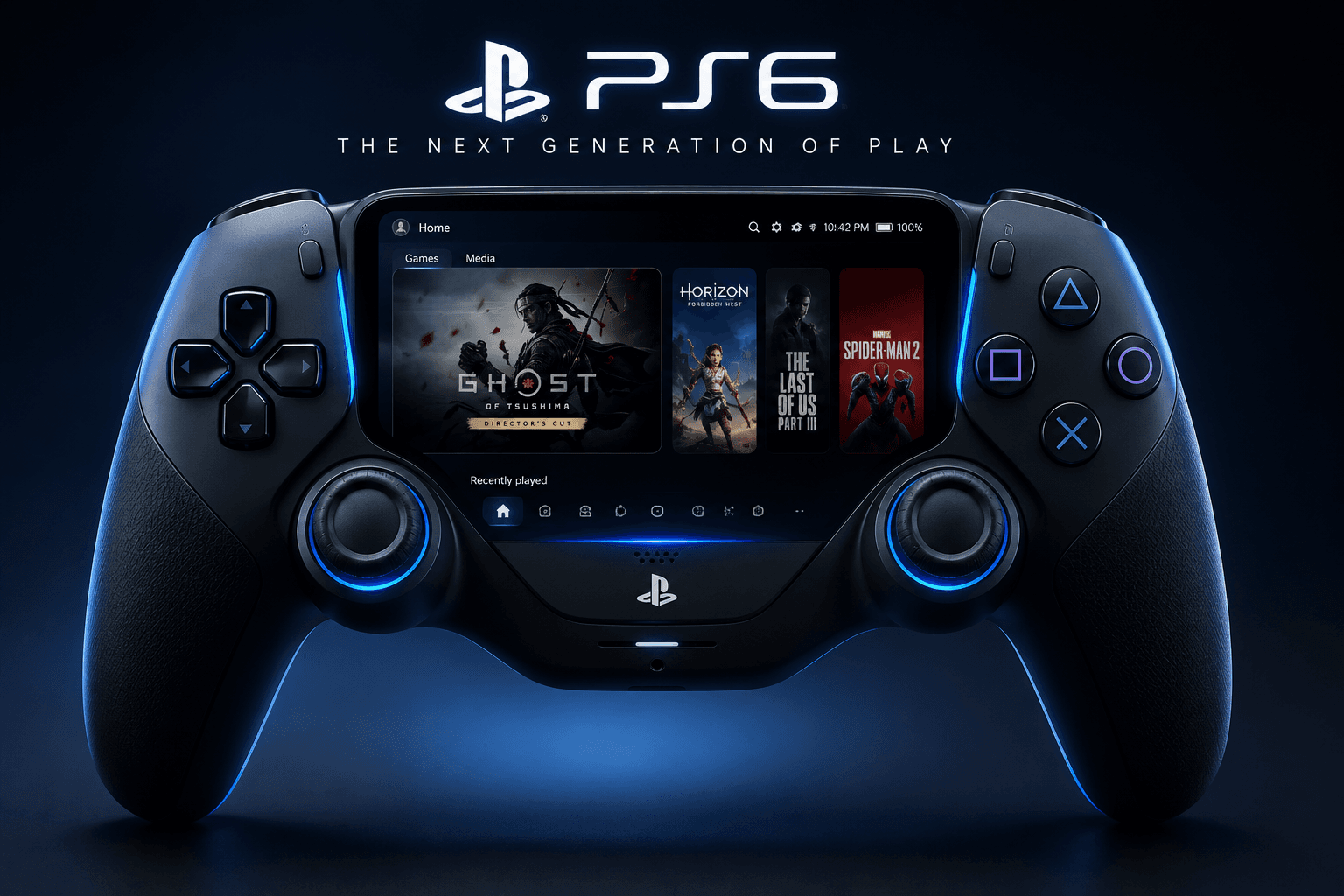
ScreenRant first reported on a newly published Sony patent that sketches out an innovative modular controller design for future PlayStation systems. The document, filed under number 20260199776 A1, replaces the familiar DualSense touchpad with a detachable touchscreen panel. This screen would manage console menus, settings, notifications, messages and broader system functions while a dedicated navigation dial assists with scrolling through options. Magnetic attachments would allow flexible component placement across the controller body. The filing stresses that patents often explore concepts without guaranteeing production hardware.
The core innovation lies in shifting secondary interface tasks away from the main display and onto the controller itself. Players could check messages or adjust settings without pausing gameplay manually, thanks to built-in notification handling that might trigger automatic game pauses. Customisation through magnetic mounts opens possibilities for users to reposition modules according to personal preference. Such features build on existing DualSense capabilities but take them further into modular territory. Industry observers note that while the ideas sound promising, real-world implementation remains uncertain until Sony confirms final hardware plans.
Exploring the Modular Controller Concept
Sony has long experimented with controller evolution, moving from basic input devices to the advanced haptic feedback and adaptive triggers seen in recent generations. This latest patent continues that trajectory by introducing a removable touchscreen that handles system-level interactions. The navigation dial works alongside the screen to streamline menu navigation, reducing reliance on the central television or monitor. Magnetic attachment points suggest a design focused on user flexibility, allowing different configurations for comfort or accessibility. These elements together aim to create a more integrated control experience.
By moving notifications and settings directly onto the controller, the proposed design could minimise interruptions during intense gaming sessions. The auto-pause functionality tied to incoming alerts represents a practical response to modern multitasking demands. Although the patent provides detailed technical descriptions, it stops short of promising any specific release timeline or confirming inclusion in upcoming hardware. Such filings serve as protective measures for intellectual property rather than product announcements. Analysts therefore treat the information as exploratory rather than definitive.
Industry Context and Future Possibilities
Controller patents from major manufacturers frequently generate speculation about next-generation features. This particular filing stands out for its emphasis on physical modularity and secondary display integration. Previous iterations have focused on haptics and triggers, yet this approach prioritises interface distribution between controller and console. The magnetic system could enable future accessory ecosystems where users swap components for specialised play styles. Such flexibility might appeal to competitive players seeking ergonomic advantages or casual users wanting simpler layouts.
Competitors have also explored similar ideas in recent years, though none have reached mainstream adoption at scale. Sony's approach appears more refined in combining touchscreen functionality with automatic game pausing. Still, manufacturing costs, durability concerns and software integration challenges could influence whether these concepts reach consumers. The patent offers a window into Sony's research priorities without committing the company to any particular product roadmap.
What This Means for PS6
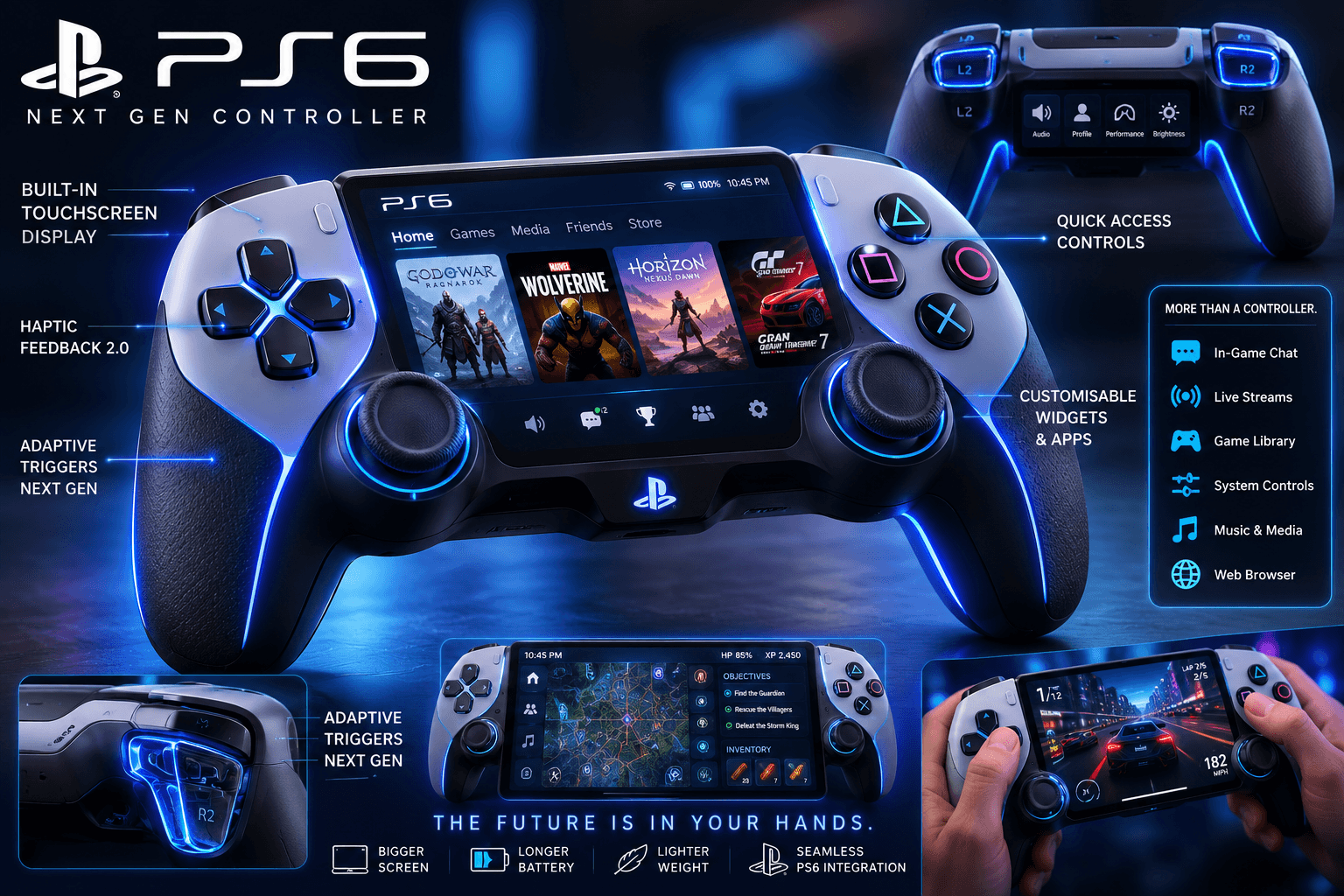
While the patent offers intriguing possibilities for enhanced controller interaction, its direct connection to PS6 hardware stays speculative. Sony may incorporate elements of this modular touchscreen design or refine the notification system in future controllers. Players should view the filing as an indication of ongoing innovation rather than confirmed features. The emphasis on customisation and reduced interruptions aligns with broader trends toward more immersive and accessible gaming experiences. Ultimately, only official announcements will clarify which concepts transition from patent to production.