GTA 6 Locked to 30 FPS at Launch, 60 FPS Uncertain
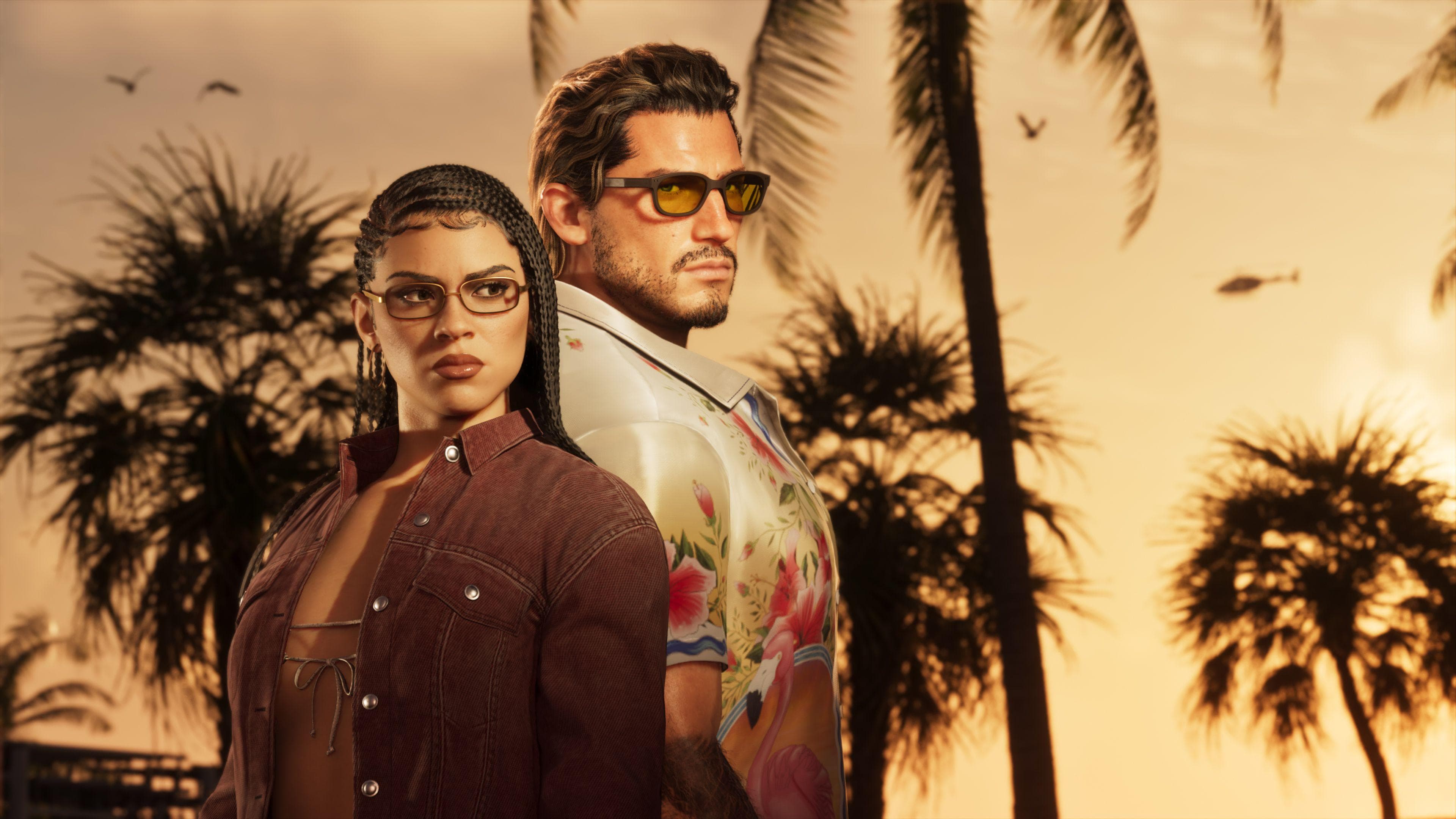
Rockstar has confirmed that Grand Theft Auto VI will launch targeting thirty frames per second on PlayStation 5 and Xbox Series X and Series S, according to reporting from Eurogamer. The confirmation settles months of speculation among players who dissected every trailer frame for clues about technical targets. Studio messaging places maximum visual fidelity and dense open-world detail ahead of smoother frame rates at day one. Both current-generation flagship consoles will therefore receive a curated experience built around a stable thirty frames rather than variable or higher locked rates. The news arrives as anticipation for the title continues to dominate gaming conversations worldwide.
Reports indicate the studio remains unsure about implementing a sixty frames per second performance mode for the initial release. Internal focus and the Extended Look footage prioritise maximum visual fidelity together with extraordinary world density while locking a stable thirty frames. Higher frame-rate options may still appear later through post-launch patches once the core experience ships and engineers assess remaining headroom. The confirmation also aligns with curated Netflix showcase footage that was delivered as a thirty frames per second asset, reinforcing the technical direction Rockstar has chosen for launch. Players should therefore expect the cinematic presentation shown so far to match the shipped product closely.
Fidelity and World Density Take Priority
Rockstar’s stated target makes the studio’s hierarchy of values unmistakable for the opening window of Grand Theft Auto VI. Maximum visual fidelity sits at the top of the stack, followed closely by the sheer density of the living world the team intends to deliver on PlayStation 5 and Xbox Series hardware. A locked thirty frames per second gives artists and engineers predictable timing for lighting, crowd simulation, traffic systems and environmental detail that would become far harder to guarantee under a higher and more demanding frame budget. The decision reads as a deliberate trade rather than a compromise forced by incomplete technology.
The Extended Look material already signalled this direction by showcasing dense streets, intricate interiors and ambitious atmospheric effects without any suggestion of a performance toggle. Internal focus reportedly mirrors that public presentation, keeping the entire pipeline aligned around a stable cinematic cadence. For a game of this scale the choice also reduces the risk of late-stage instability that can accompany dual rendering paths. Players who value spectacle, immersion and consistency will find the rationale coherent even if they personally prefer smoother motion in other genres and titles.
The Uncertain Path to Sixty Frames
While thirty frames is locked for launch, Rockstar has not closed the door on a future sixty frames per second performance mode. Reports describe the studio as currently unsure about whether such an option can be implemented without undermining the visual and density targets already set. That uncertainty suggests engineers are still measuring how much headroom remains once the full world, systems and effects are running together on retail consoles. Any performance mode would need to preserve enough of the intended look to feel like the same game rather than a stripped alternative.
Post-launch patches remain the most plausible route if a higher frame-rate path eventually appears. Once the title is live, the team can gather real telemetry, identify bottlenecks and decide whether a second rendering configuration is viable. The source material is careful not to promise that work, only to note that higher frame-rate options may be explored after release. Fans hoping for sixty frames should therefore treat the possibility as genuine but unconfirmed, contingent on technical discovery rather than a scheduled feature already greenlit for day-one delivery.
Showcase Footage Matches the Launch Target
The confirmation sits neatly beside another detail from the same reporting cycle: curated Netflix showcase footage was delivered as a thirty frames per second asset. That alignment matters because marketing materials often run at rates or resolutions that differ from final console builds, creating mismatched expectations. Here the public presentation and the internal target speak with one voice. Viewers who studied the Netflix material were already watching the cadence Rockstar intends to ship, which reduces the gap between trailer fantasy and living-room reality on PlayStation 5 and Xbox Series systems.
Consistency between showcase and product also helps the studio defend the thirty-frame choice on cultural grounds. When every major public look has already been framed at that rate, the launch version feels like a continuation rather than a downgrade. The Extended Look footage reinforced the same priority stack of fidelity and density. Together these assets form a coherent technical story that Rockstar can point to when players debate the merits of locked cinematic framing versus unlocked or higher performance modes in the weeks after release.
What Launch Day Will Actually Feel Like
On launch day, owners of PlayStation 5 and Xbox Series X and Series S should expect a stable thirty frames per second experience tuned for visual richness and crowded, reactive streets. The absence of a confirmed performance mode means there will be no simple menu toggle to trade detail for fluidity at the outset. Input response, camera motion and animation timing will all be authored against that thirty-frame clock, which can feel deliberate and weighty when the rest of the presentation is working at full strength. For a narrative-driven open world this remains a widely accepted technical posture.
The longer-term picture is more fluid. Because higher frame-rate options may be explored in patches, the shipped game is best understood as a foundation rather than a final ceiling. Rockstar’s caution about sixty frames today does not equal a permanent refusal tomorrow. Players who care deeply about motion clarity can watch patch notes and technical analysis after release for any sign that a second mode is under active construction. Until then the only verified target is the thirty-frame configuration already demonstrated in Extended Look and Netflix showcase material.
What This Means for PS6
Grand Theft Auto VI launching on current hardware at a locked thirty frames per second sharpens the conversation around what PlayStation 6 must deliver when it arrives. If even Rockstar’s flagship requires that trade-off to hit its density and fidelity goals on PlayStation 5, the next console generation will be judged partly on whether it can sustain richer worlds at sixty frames or higher without aggressive cuts. System architects and first-party teams will study this release as a stress test of how far present silicon can be pushed before the successor becomes essential.
For PS6News readers the takeaway is practical. The GTA VI decision does not dictate PlayStation 6 specifications, yet it illustrates the appetite for denser simulations that current machines still struggle to run at elevated frame rates. A successful post-launch sixty-frame mode on PS5 would show clever optimisation; a permanent thirty-frame ceiling would strengthen the case for faster storage, broader memory and more powerful GPUs in the next box. Either outcome feeds directly into how Sony positions PS6 hardware and how ambitious third-party open worlds will target that platform from day one.