PS6 Handheld Faces Steam Deck 2's Chip Challenge
Valve’s latest Steam Deck 2 update has exposed the central problem facing every next-generation handheld, including Sony’s rumoured PS6 portable. More performance is available, but delivering a genuine generational leap without destroying battery life or pushing the price beyond the mass market is much harder.
Sony has not announced a PS6 handheld, and no specification attributed to it is confirmed. Even so, Valve’s public reasoning provides a valuable reality check for the PlayStation rumours: the winning chip will not simply be the fastest option. It must combine performance, efficiency, memory bandwidth, cooling and affordability inside a device people can comfortably hold.
Valve Is Waiting for the Right Steam Deck 2 Chip
Valve designer Pierre-Loup Griffais told IGN that the company is still working out how and when it can deliver a Steam Deck successor, according to The Verge’s 15 September report. Valve has previously said a second-generation Deck will happen, but there is still no release window.
The company’s position is consistent: it does not want extra performance to arrive with a major penalty to power efficiency and battery life. Valve is waiting for a chip that produces a meaningful leap rather than a modest frame-rate increase wrapped in a more expensive device.
Current component shortages have not fundamentally changed that design philosophy, Griffais indicated. They still affect the market around it, however. Expensive memory and advanced silicon make it harder to hit the combination of price and capability that made the original Steam Deck attractive.
Steam Deck 2 and PS6 Handheld Fact Check
| Question | Steam Deck 2 | PS6 handheld |
|---|---|---|
| Official status | Valve says a successor will happen | Sony has not announced one |
| Release timing | Unknown | Unknown |
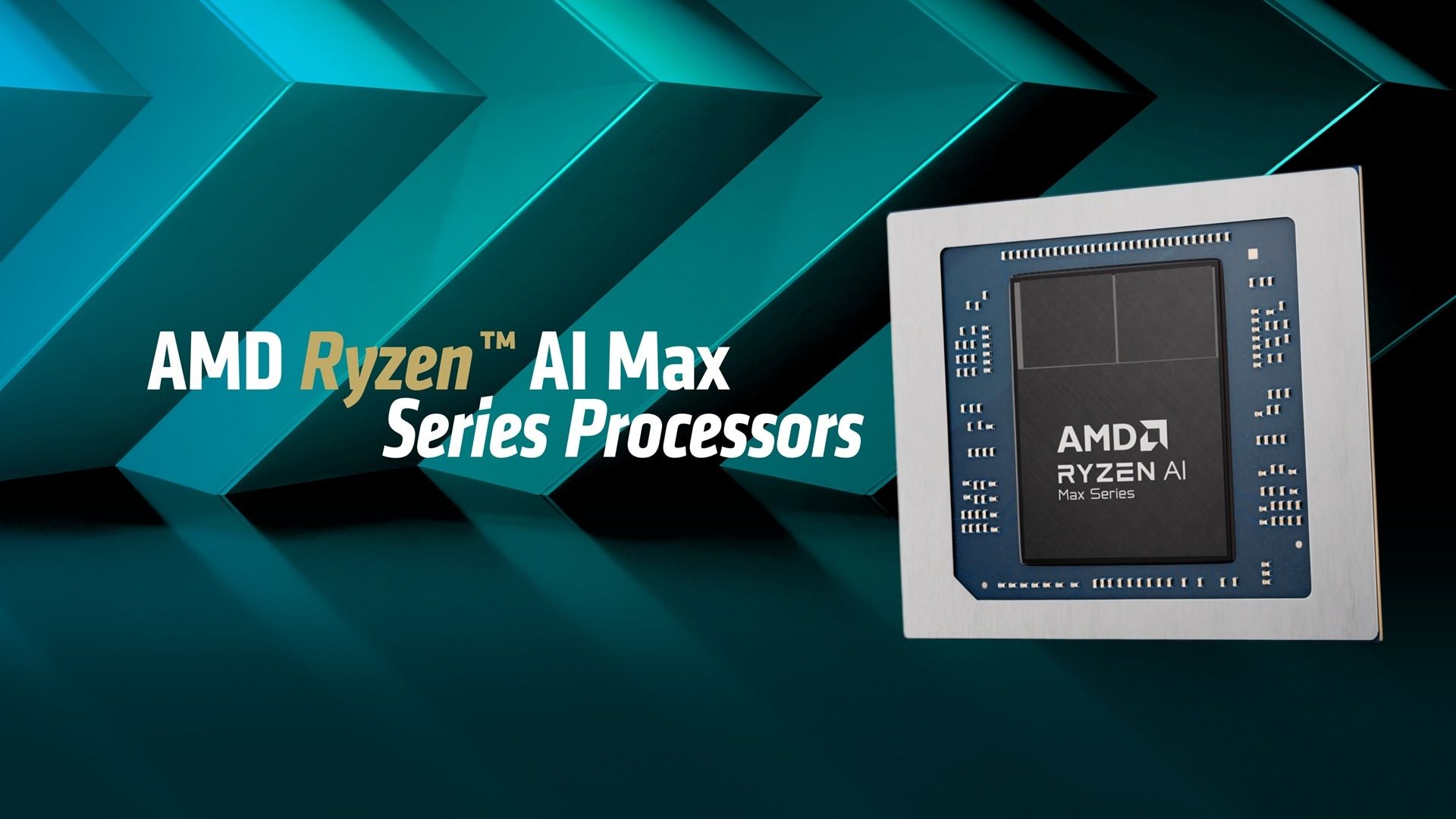
| Processor | Not announced | Reported AMD design, unconfirmed |
| Performance target | A meaningful generational leap | No official target |
| Battery target | Valve will not accept a major efficiency sacrifice | No official target |
| Price | Not announced | Not announced; reported figures remain speculation |
| Current reference hardware | Steam Deck OLED uses a 6nm AMD APU at 4–15W | PlayStation Portal is a streaming device, not a native PS6 handheld |
| Certainty | Valve comments are on record | Sony details are rumours and inference |
Why Performance per Watt Decides Everything
A living-room console can draw far more power and exhaust heat through a large fan and heatsink. A handheld has to operate within a much tighter envelope while sitting centimetres from the player’s hands. Raising clock speeds aggressively can produce more frames, but the additional heat and power demand quickly become unacceptable.
Valve’s official Steam Deck OLED specifications show the current balance: a 4–15W AMD APU, 16GB of LPDDR5 memory and a 50Wh battery. Valve lists three to twelve hours of play depending on workload. Demanding games naturally sit closer to the lower end than lightweight titles.
A future PlayStation portable would face the same physics. If Sony wants native PS5 or PS6-class software, it must deliver enough CPU, GPU and memory performance at a power level that does not require a huge battery, excessive weight or a loud cooling system.
Battery, Cooling and Weight Form a Hard Ceiling
Battery capacity cannot grow without consequences. Larger cells add weight and occupy internal volume needed for cooling, speakers, controls and storage. A more powerful processor may also need a larger fan, wider vents and a more substantial heatsink, compounding the size problem.
The original Steam Deck showed that a relatively modest display resolution can be an advantage. Rendering at 1280×800 demands far less work than native 1080p or 1440p, allowing the device to spend its limited power budget on frame rate and game compatibility. Sony may need to make a similarly disciplined display choice.
Docked performance adds another layer. Rumours suggest the PlayStation handheld could raise clock speeds when connected to power, but Sony has confirmed neither a dock nor separate performance modes. Any split would require developers to test another profile alongside PS6 home-console settings.
What This Means for the Rumoured PS6 Portable
The detailed PS6 portable guide covers reported AMD hardware, local game execution and possible docking support. Those claims describe an ambitious device, but Valve’s comments show why an attractive paper specification can remain years from a viable retail product.
Sony would need to decide whether the handheld is a full member of the PS6 generation or a lower-power companion. Requiring every PS6 game to support it could broaden the audience but increase development work. Making support optional would protect high-end games while weakening the promise of one portable PlayStation library.
Former PlayStation executive Shawn Layden has already warned about the strain of supporting two distinct performance targets, as covered in our PS6 handheld strategy report. Valve’s update adds the engineering side of that argument: even before software support, the hardware balance remains difficult.
AI Graphics Could Be Sony's Best Escape Route
Sony does not need a handheld to match the PS6 home console pixel for pixel. A portable screen can hide a lower internal resolution, while machine-learning reconstruction can rebuild a cleaner final image. That is a more efficient route than forcing a small GPU to render every frame at native resolution.
Project Amethyst is therefore highly relevant. Sony and AMD are developing Neural Arrays, improved ray-tracing hardware and Universal Compression for future graphics architectures. A handheld could benefit disproportionately because every saved watt and every reduction in memory traffic matters.
Frame generation may also improve perceived smoothness, but it cannot repair poor base performance or remove input latency. Sony would still need adequate CPU speed, stable frame pacing and a strong minimum frame rate. Reconstruction is a force multiplier, not a substitute for capable silicon.
Memory and Price Could Delay the Entire Idea
Portable systems rely on efficient shared memory, and current PS6 handheld rumours describe a substantial LPDDR pool. Sony has confirmed none of it. Our PS6 handheld Jupiter rumours guide explains the reported configurations and the uncertainty surrounding the device’s identity.
Adding fast memory, a modern APU, an OLED display, a large battery and console-quality controls creates an expensive bill of materials. The recent PS6 RAM and GDDR7 guide shows why memory supply is already complicating next-generation planning across both home and portable hardware.
Sony could wait for a more efficient process node, reduce the specification, accept a premium launch price or subsidise the hardware through software sales. Each option carries risk. Valve’s patience suggests that delaying until the economics work can be smarter than launching a compromised sequel.
For now, Steam Deck 2 is planned but undated, while the PS6 handheld remains unannounced. The update strengthens the case that next-generation portable hardware is coming, but performance per watt—not raw teraflops—will decide whether either device delivers a convincing leap.