PS6 Handheld Sub-$600 Price ‘Not Possible’, Leaker Warns
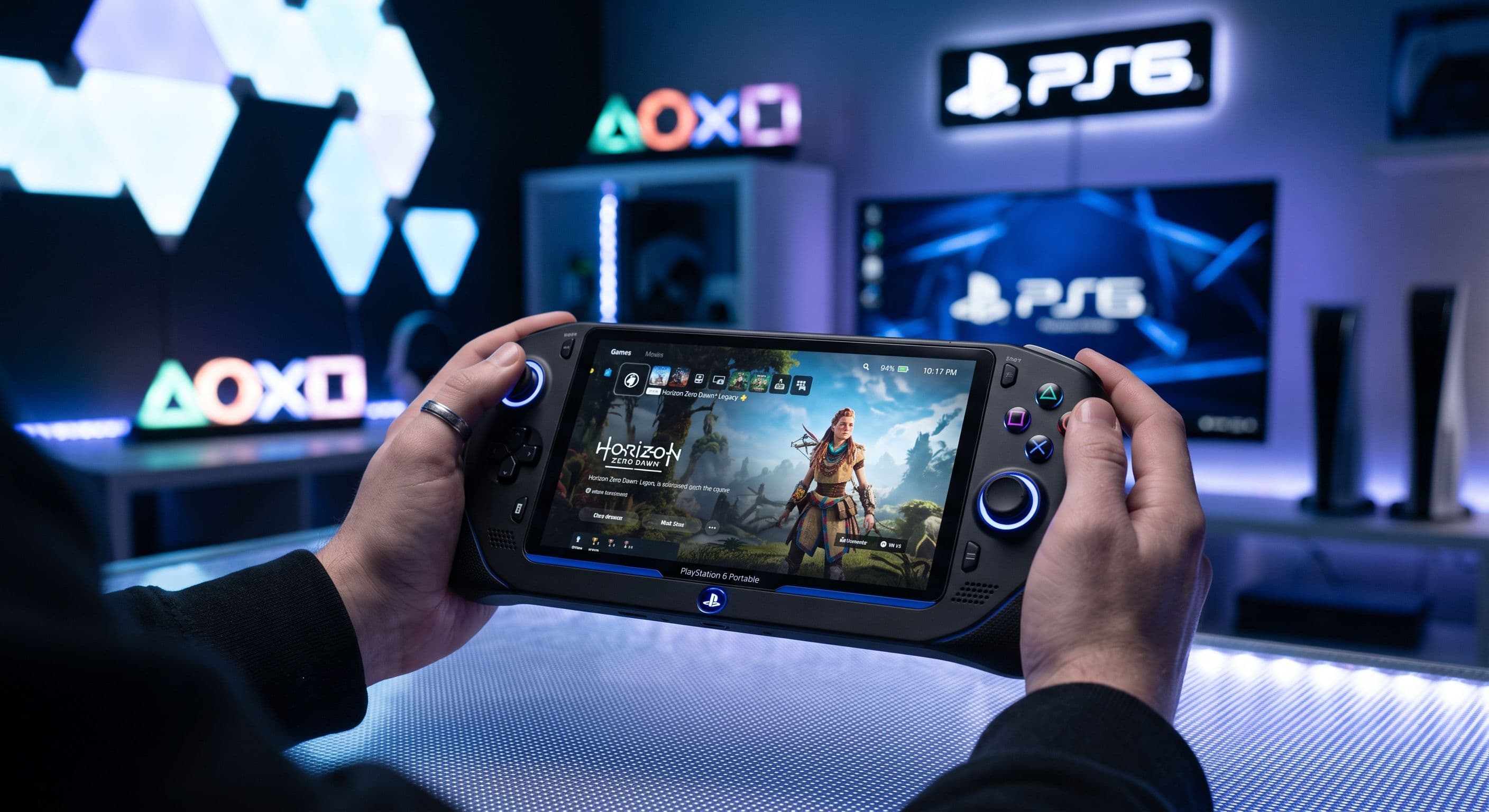
Hardware enthusiasts tracking Sony’s next-generation ambitions received a sobering update this week from Notebookcheck, which relayed fresh comments from prominent leaker KeplerL2 on the commercial viability of a rumoured PlayStation 6 handheld. According to the leaker, a retail price under six hundred dollars simply cannot materialise under present market conditions. Surging DRAM costs have reshaped the economics of portable gaming hardware, leaving manufacturers with little room to deliver flagship performance without passing steep expenses onto consumers. The claim lands as anticipation builds around Sony’s portable strategy and raises fresh questions about when and how the company will enter the premium handheld arena with a true flagship device.
KeplerL2’s assessment centres on the proposed bill of materials for the device, which is expected to pack an AMD Canis APU featuring Zen 6 architecture cores, most likely configured as four Zen 6c units paired with two Zen 6 LP cores. Graphics duties would fall to a sixteen compute unit RDNA 5 integrated GPU, supported by a substantial twenty-four gigabytes of LPDDR5X memory running across a one-hundred-ninety-two-bit interface. That memory subsystem alone, the leaker suggests, could inflate the final price well beyond what average gamers typically budget for a handheld console, echoing recent increases already visible across rival portable gaming PCs in the current market.
The AMD Canis Chipset at the Heart of the Rumour
The hardware outline circulating among leakers paints a picture of a genuinely ambitious portable machine rather than a cut-down companion. An AMD Canis APU blending efficiency-focused Zen 6c cores with low-power Zen 6 LP cores would aim to balance sustained performance against battery life, a perennial headache for high-end handhelds. Pairing that silicon with a sixteen CU RDNA 5 integrated GPU signals an intent to deliver visuals closer to living-room consoles than yesterday’s portables. Yet every leap in silicon ambition multiplies memory bandwidth and capacity demands, which is precisely where today’s component market turns from opportunity into obstacle for any manufacturer chasing a mass-market price point.
Twenty-four gigabytes of LPDDR5X on a one-hundred-ninety-two-bit bus is a serious specification for a handheld form factor, promising the headroom modern game engines and upscaling technologies require. That same configuration, however, sits at the sharp end of a memory market that has seen dramatic cost inflation. KeplerL2’s core argument is straightforward: even before factoring in custom cooling, premium displays, battery packs and industrial design, the DRAM bill alone could shove the finished product past the psychological six-hundred-dollar threshold that many consider the ceiling for impulse or mid-tier console purchases. Sony would therefore face an unenviable choice between stripping features or accepting a premium price tag.
Why Soaring DRAM Costs Threaten the Sub-$600 Dream
Memory pricing has become the silent villain of the current hardware cycle. Unlike processors, which benefit from long design lead times and negotiated wafer deals, commodity DRAM and LPDDR modules track spot markets that can swing violently within a single quarter. When those swings turn sharply upward, every device that ships with large, fast memory pools feels the pressure immediately. Handhelds are especially exposed because they cannot easily offset memory spend by raising storage tiers or selling lucrative accessories in the same way home consoles sometimes do. The result is a brutal squeeze on margins that forces either higher shelf prices or delayed launches until costs cool.
KeplerL2 draws a direct line between this cost environment and the impossibility of a sub-six-hundred-dollar PlayStation 6 handheld. The leaker’s warning is not that Sony lacks engineering talent or supply-chain clout, but that raw component economics have temporarily broken the traditional console pricing playbook. Historical PlayStation launches often targeted aggressive entry points to maximise installed base, yet those strategies assumed relatively stable memory markets. If DRAM remains elevated, Sony may need to either accept a higher launch price, reduce memory capacity at the expense of performance targets, or simply wait. None of those options will please fans hungry for an affordable premium handheld.
PlayStation Console Launch Prices (USD)
| Console | Launch Year | Launch Price (USD) |
|---|---|---|
| PS1 | 1994 | $299 |
| PS2 | 2000 | $299 |
| PS3 | 2006 | $499 / $599 |
| PS4 | 2013 | $399 |
| PS5 | 2020 | $499 |
| PS6 Handheld | 2028 (Projected) | $600+ (Estimated) |
Rivals Already Absorbing Painful Price Hikes
The leaker’s comments gain extra weight because competing devices have already demonstrated the same pressure in public. Recent price increases on machines such as the Lenovo Legion Go S and the GPD Win Max 3 illustrate how quickly memory inflation filters through to retail tags. Those products target enthusiasts willing to pay for PC-class performance in a portable shell, yet even that audience has limits. When established Windows handhelds start climbing, the addressable market for a Sony-branded alternative shrinks unless the company can somehow undercut the field—an outcome KeplerL2 now deems unrealistic under current DRAM conditions and the ambitious specification sheet attributed to the PlayStation 6 handheld.
Sony’s brand strength and first-party software catalogue would normally give any handheld a powerful differentiator against generic gaming PCs. Exclusive titles, refined user experience and seamless account integration could justify a premium. The problem is magnitude: if memory costs alone push the device into territory occupied by high-end Windows portables, the value proposition becomes harder to defend for households that already own a living-room PlayStation. Average gamers, as the leaker notes, simply may not stretch their budgets far enough, leaving Sony with a niche product rather than the mainstream companion many expect from the PlayStation name.
Could the Broader Next-Gen Timeline Slip to 2028?
Beyond the handheld specifically, KeplerL2’s remarks sit inside a wider industry anxiety that next-generation console launches could drift to twenty twenty-eight or later if the memory crisis deepens. Home consoles also gulp large quantities of high-speed memory, and any prolonged spike threatens the carefully modelled bill-of-materials targets that underwrite launch pricing strategies. A slip measured in years would cascade through developer schedules, middleware roadmaps and retailer planning cycles. For Sony, delaying a flagship home console also delays the ecosystem momentum that a handheld companion would normally ride, creating a strategic tangle that pure engineering cannot easily untie.
Whether the memory market cools in time remains an open question that no single leaker can answer. What the latest comments do establish is a clear causal chain: elevated DRAM prices raise handheld component costs, those costs destroy the sub-six-hundred-dollar target, and the same forces could postpone entire console generations. Fans hoping for a rapid PlayStation portable debut must therefore watch commodity markets as closely as patent filings or trademark applications. Until memory pricing stabilises, the most sophisticated APU roadmap in the world cannot guarantee an affordable product on the shelves when players actually want to buy it.
What This Means for PS6
For the broader PlayStation 6 generation, the handheld pricing warning is a flashing amber light rather than a full stop. It underscores that Sony’s next era will be shaped as much by global component markets as by silicon design wins or exclusive software. A premium-priced portable could still succeed if it delivers unmatched exclusives and polish, yet it would arrive as a different commercial proposition from the aggressively accessible home consoles that built the brand. Readers should treat sub-six-hundred-dollar expectations as suspended until DRAM trends reverse. In the meantime, the Canis-based specification remains an exciting technical target—one that may simply cost more, or arrive later, than the community first hoped.