PS6 News This Week: RAM, Storage and a Handheld Rumour
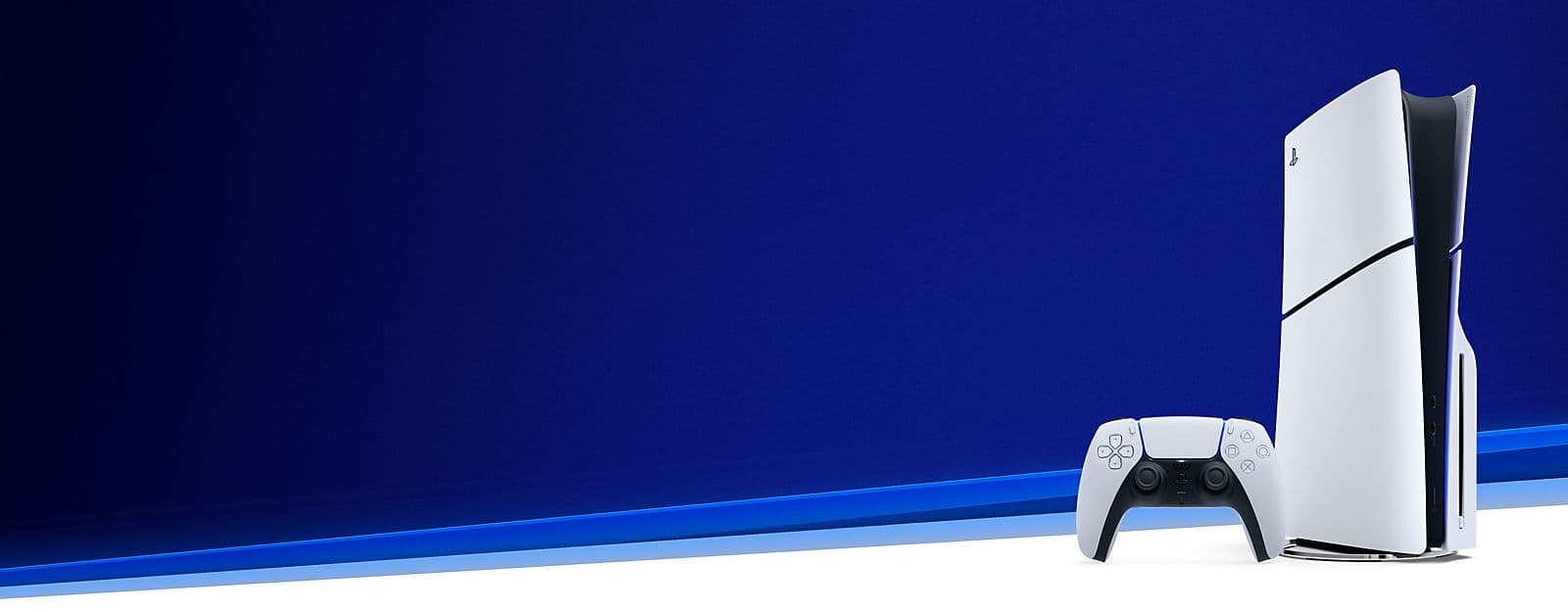
PS6 coverage this week moved away from headline teraflop claims and towards the less glamorous hardware that will decide how Sony’s next console actually feels. Storage, memory, display bandwidth and external connectivity all received closer scrutiny.
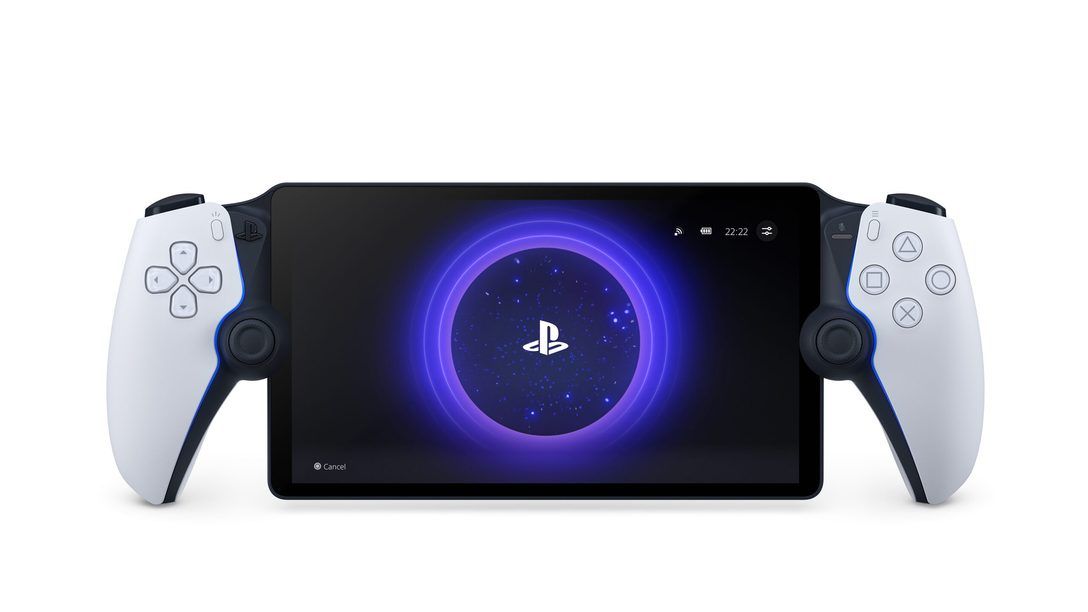
A supposed new handheld specification list also circulated, but the leaker it was attributed to reportedly denied supplying fresh information. Sony still has not announced PlayStation 6 or a native handheld, making careful sourcing more important than another eye-catching specification table.
The PS6 Week at a Glance
That distinction matters. HDMI 2.2, USB4 and GDDR7 are real technologies, but their existence does not prove Sony will adopt a particular implementation, speed or capacity.
The strongest theme is balance. Faster components must fit within a viable console price, power budget and cooling design while preserving compatibility with existing PlayStation software and accessories.
Storage and GDDR7 Put Cost Under Pressure
The week began with our detailed PS6 SSD and storage guide. It explains why faster internal storage could improve asset streaming and installation management, while separating those possibilities from unsupported capacity and speed claims.
Our PS6 RAM and GDDR7 analysis then examined the memory question. GDDR7 can deliver more bandwidth per pin than GDDR6, but Sony has not confirmed PS6 memory type, capacity or bus width; circulating 30GB and 32GB figures remain unverified.
Memory and NAND are not isolated specification rows. They influence the console’s manufacturing cost, available game memory, physical board design and launch supply. A technically stronger configuration is only useful if Sony can manufacture it at scale.
The Handheld Leak Was Disputed
Valve’s refusal to rush Steam Deck 2 provided a useful comparison for the rumoured PlayStation handheld. Our PS6 handheld and Steam Deck 2 analysis shows why performance per watt, battery life and memory cost matter more than desktop-style peak performance.
On 17 September, several reports presented a specification list attributed to hardware leaker Kepler_L2: six AMD CPU cores, 16 RDNA 5 compute units, 24GB LPDDR5X on a 192-bit bus and a 15–25W power range. However, Droidfeats reported the dispute, saying Kepler_L2 denied the attribution and had not shared new Canis specifications for months.
That means the circulating list should not be treated as a fresh corroborating leak. Some figures resemble older rumours already assessed by PS6News, but repetition across articles does not make them official or independently verified.
HDMI 2.2 Raises the Display Ceiling
Our PS6 HDMI 2.2 guide breaks down the standard’s 96Gbps ceiling, higher refresh-rate possibilities and new cable requirements. None of those features confirms that games will render natively at extreme resolutions or frame rates.
Output capability and rendering performance are different. A console can transmit a high-resolution signal while a game uses reconstruction, dynamic resolution or a lower internal frame rate.
Sony has not confirmed PS6 HDMI support. Until it does, HDMI 2.2 is best treated as a possible connectivity upgrade rather than a guaranteed specification.
USB4 Could Matter Beyond Transfer Speeds
The week closed with our PS6 USB4 and ports guide. USB4 can reach 80Gbps, compared with the 10Gbps ceiling of the fastest current PS5 USB ports, and can share bandwidth between data and display traffic.
The USB Implementers Forum’s official overview confirms those capabilities and backward compatibility with earlier USB generations. It does not confirm Sony’s implementation or guarantee that every optional feature would be enabled.
A faster external port would not automatically let PS6 games run from USB storage, nor would a USB-C socket guarantee video output. Console software, security requirements and accessory support will remain decisive.
What Is Confirmed — and What Is Not
Confirmed this week: the technical capabilities of HDMI 2.2, USB4 and current memory and storage technologies. Valve’s public position on waiting for a meaningful handheld efficiency leap also provides a reliable industry benchmark.
Not confirmed: the PS6 release date, RAM capacity, SSD specification, HDMI version, USB implementation or handheld hardware. The disputed portable specification story demonstrates why attributed claims need to be checked before they are treated as new evidence.
For the broader picture, our PS6 graphics guide tracks the officially discussed Project Amethyst technologies alongside clearly labelled performance rumours.
The Next Signals to Watch
The next meaningful evidence is more likely to come from Sony and AMD’s public technology work, developer documentation, manufacturing reports or a formal hardware announcement than from another recycled specification list.
PS6News will continue to compare new claims against the existing evidence rather than publish duplicate stories for every repetition. The priorities remain the same: what is new, what is verifiable and what could materially change the next PlayStation generation.